Het wereldwijde magazine en verkoopplatform voor liefhebbers van klassieke auto’s, door liefhebbers.
Het wereldwijde magazine en verkoopplatform voor liefhebbers van klassieke auto’s, door liefhebbers.


Filter
Maak een keuze
- Auto's
-
Merk >>
-
Bouwjaar >>
-
-
Categorie >>
- Motorfietsen
- Onderdelen
-
Automerk >>
-
Fabrikant >>
-
Categorie >>
- Fietsen
-
Bouwjaar >>
-
Landen


1923 Bugatti T32, what happened to 'the Tank'?


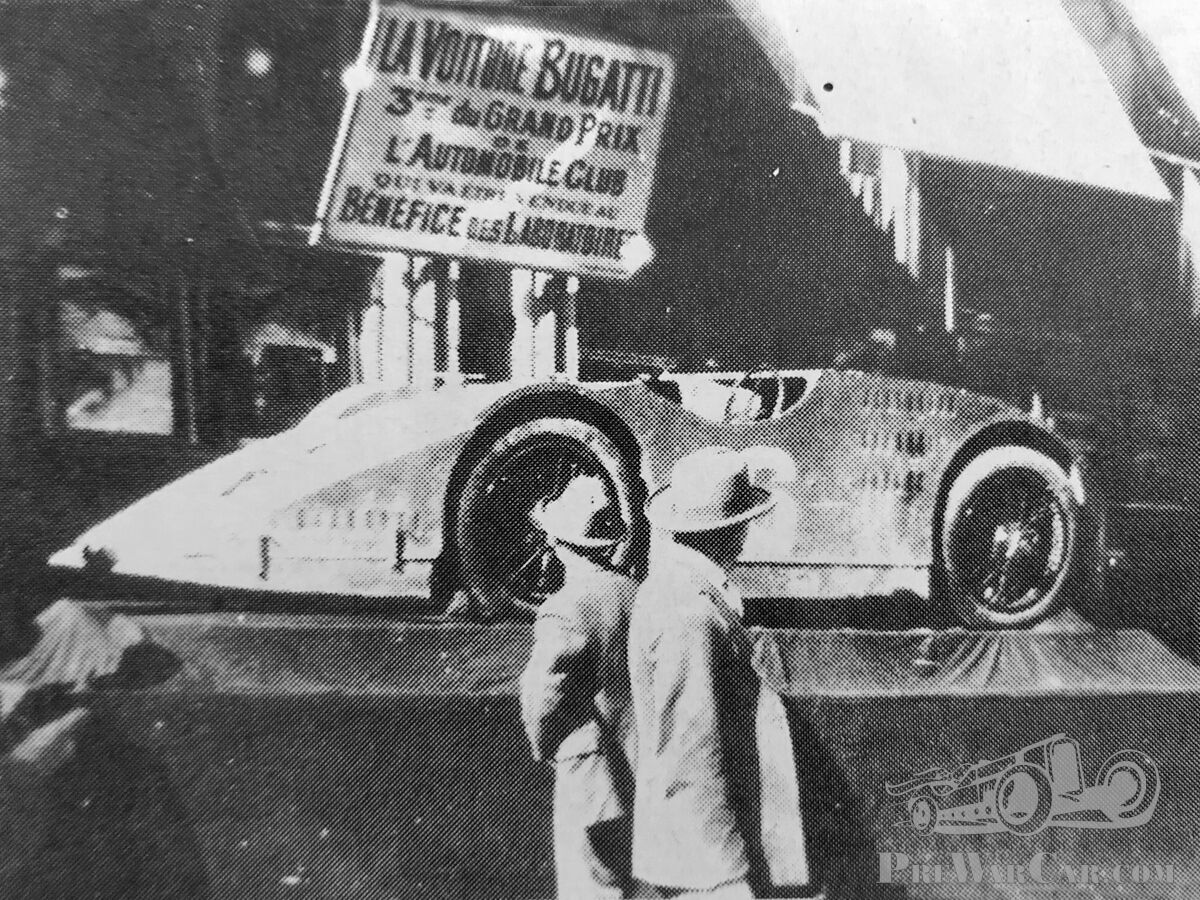
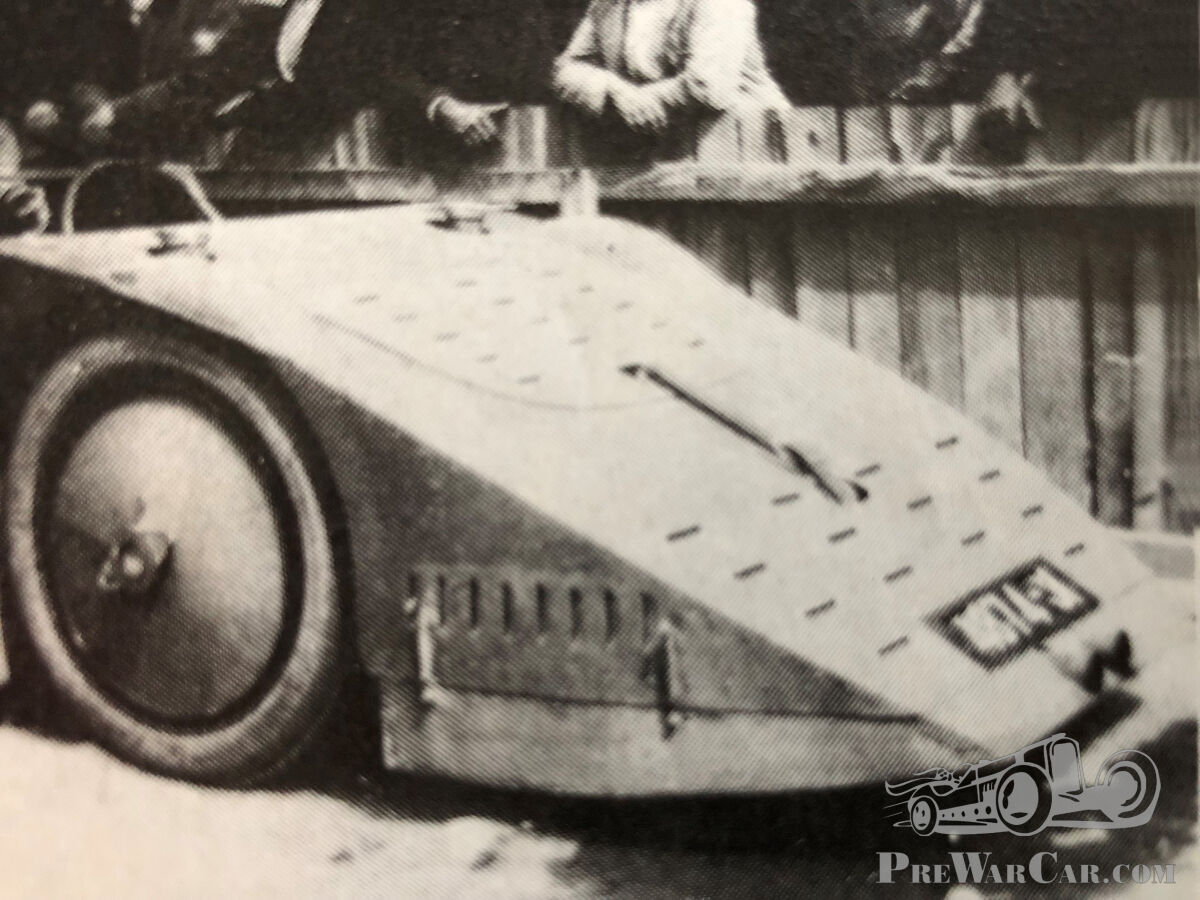


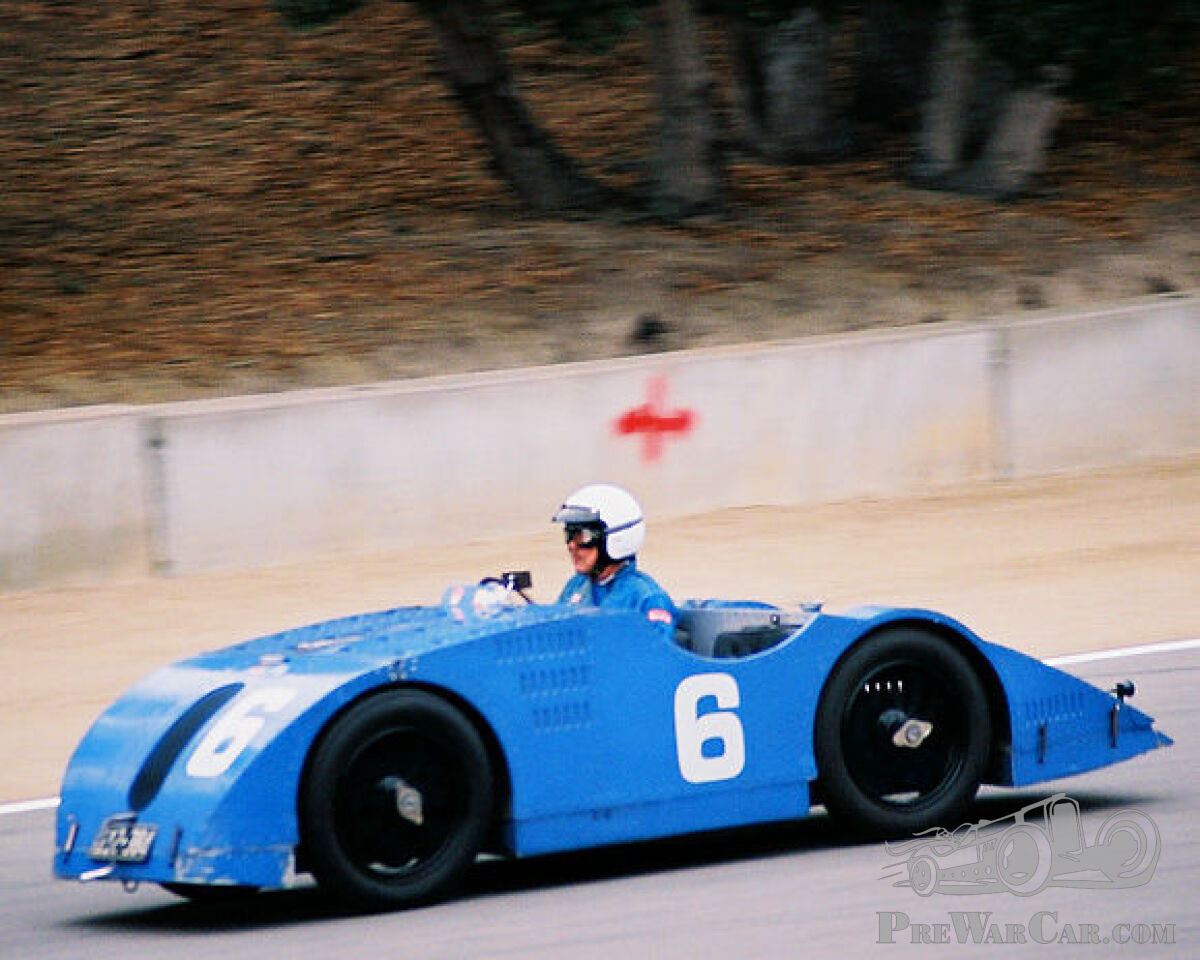
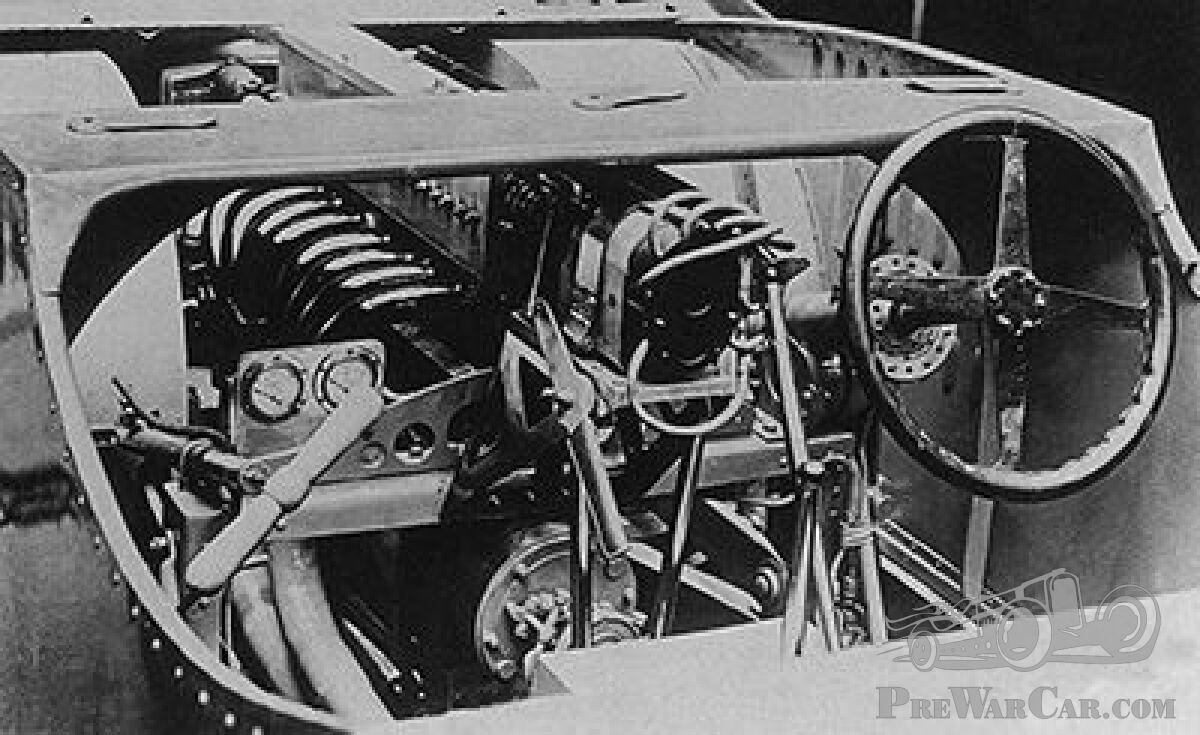
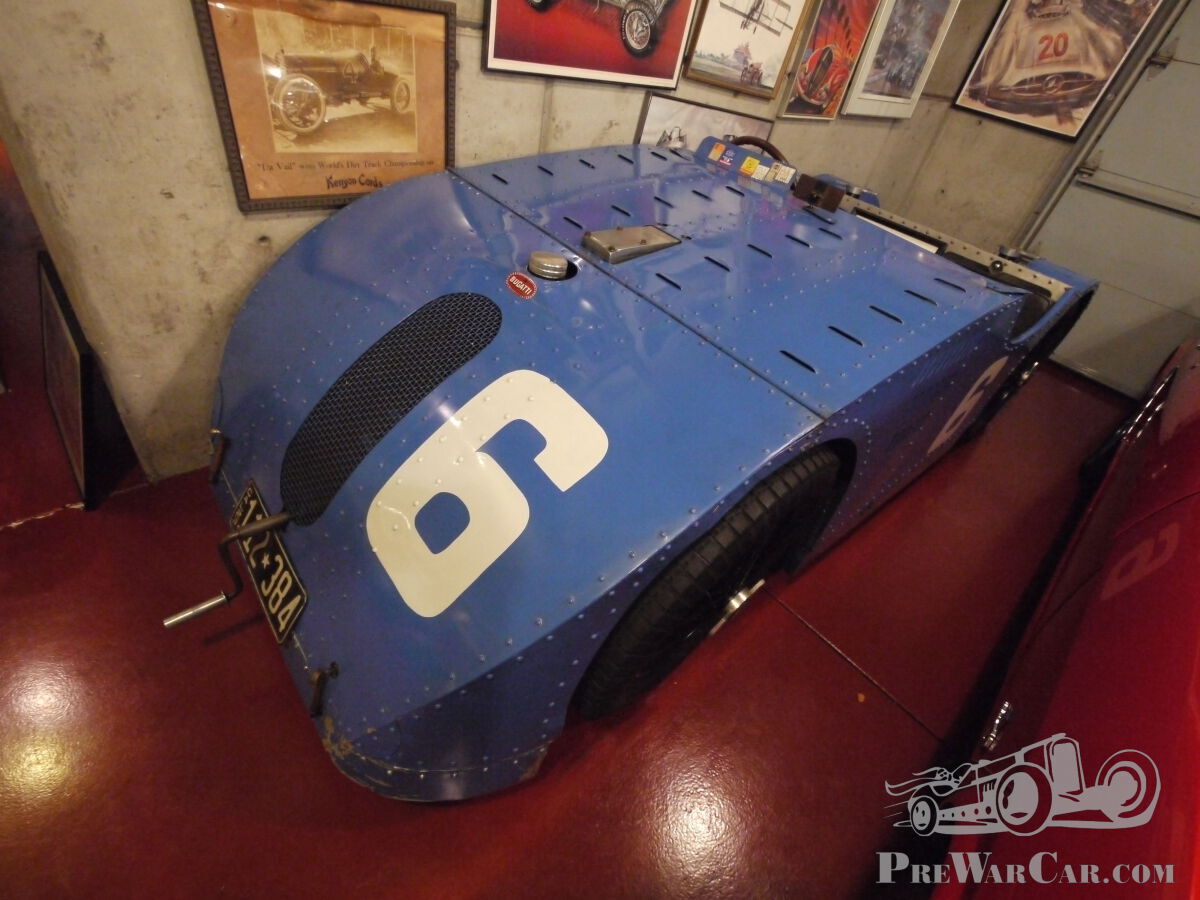
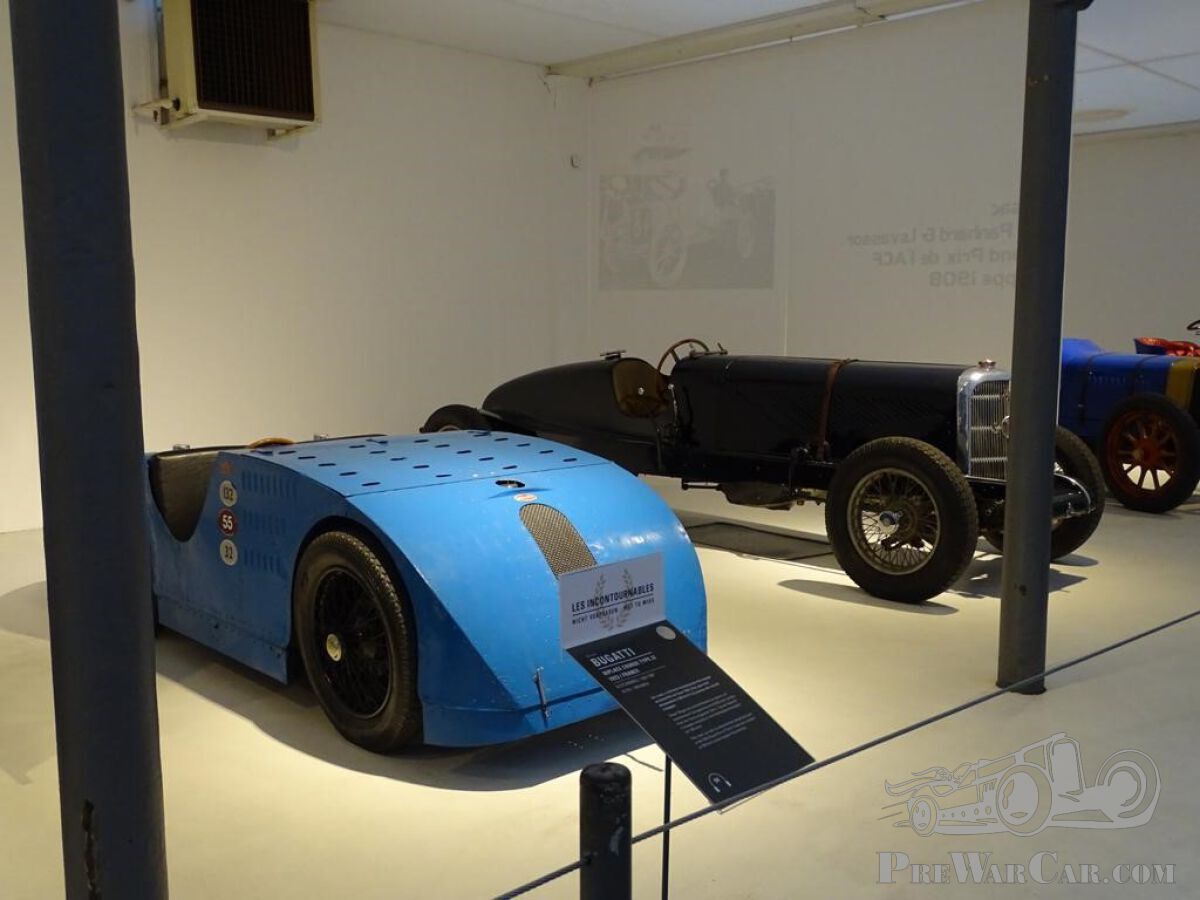


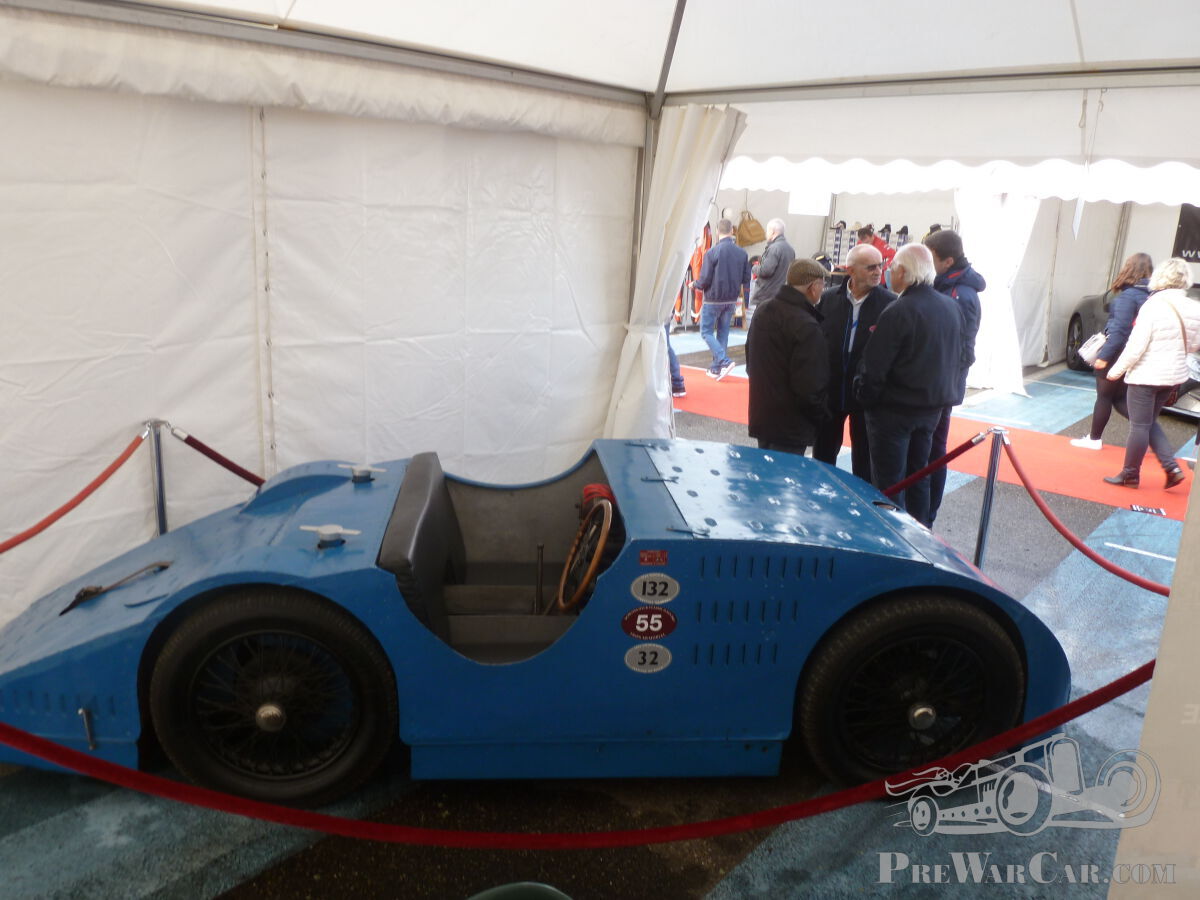
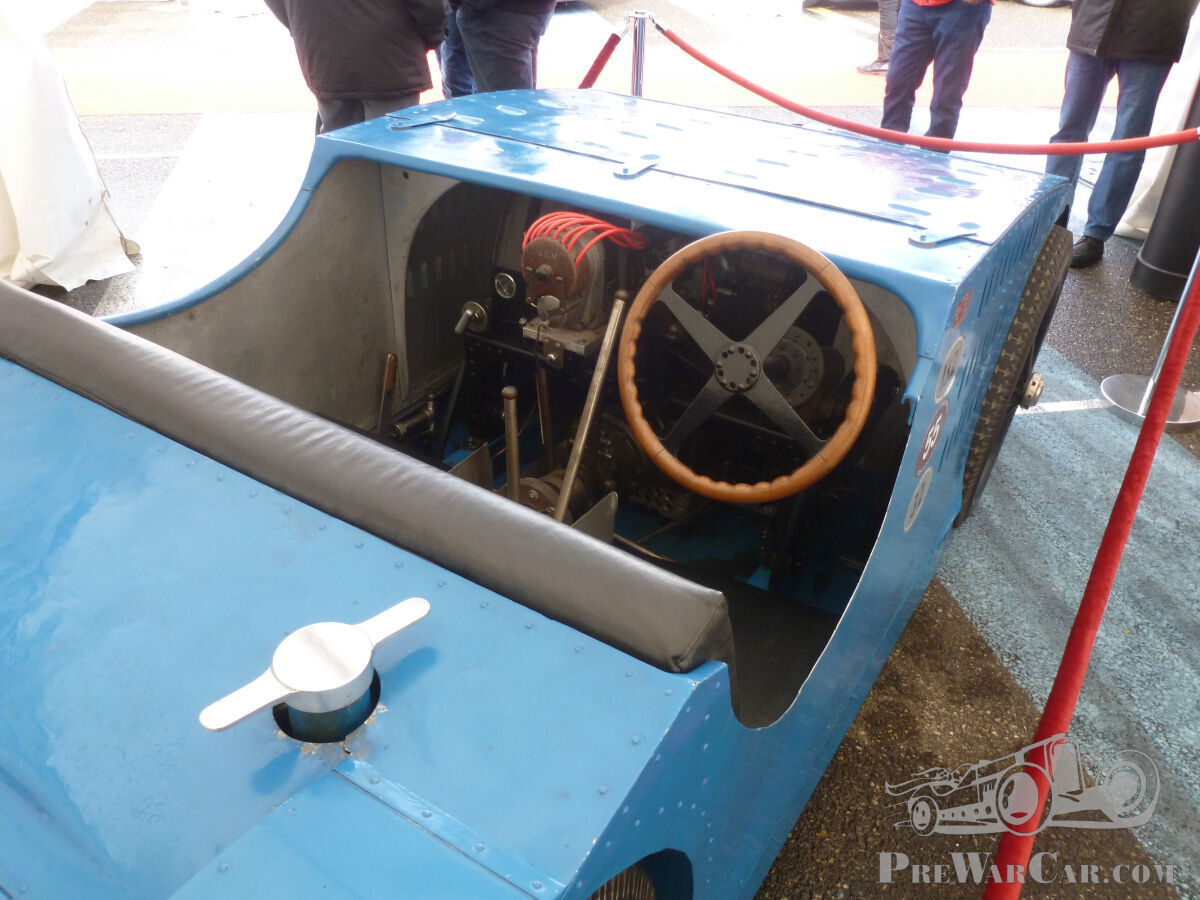
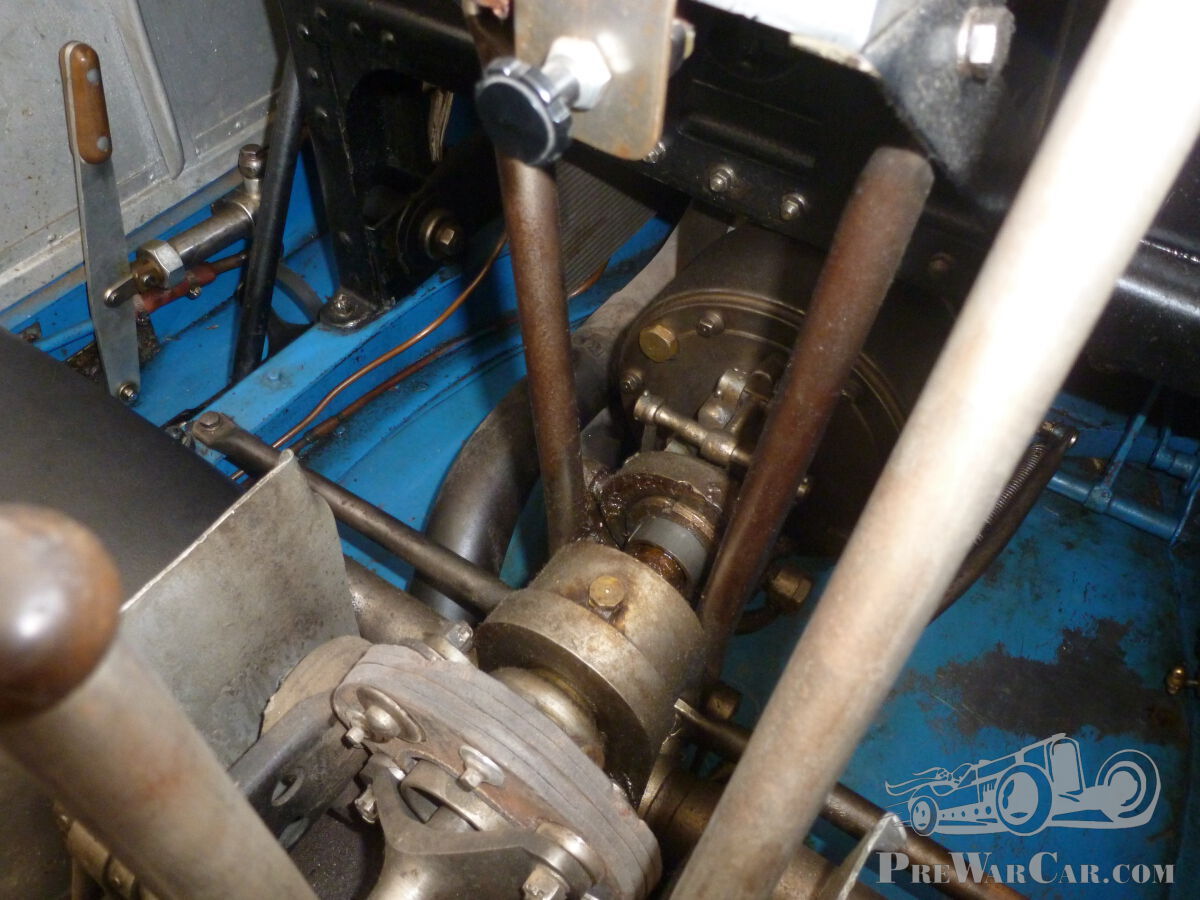
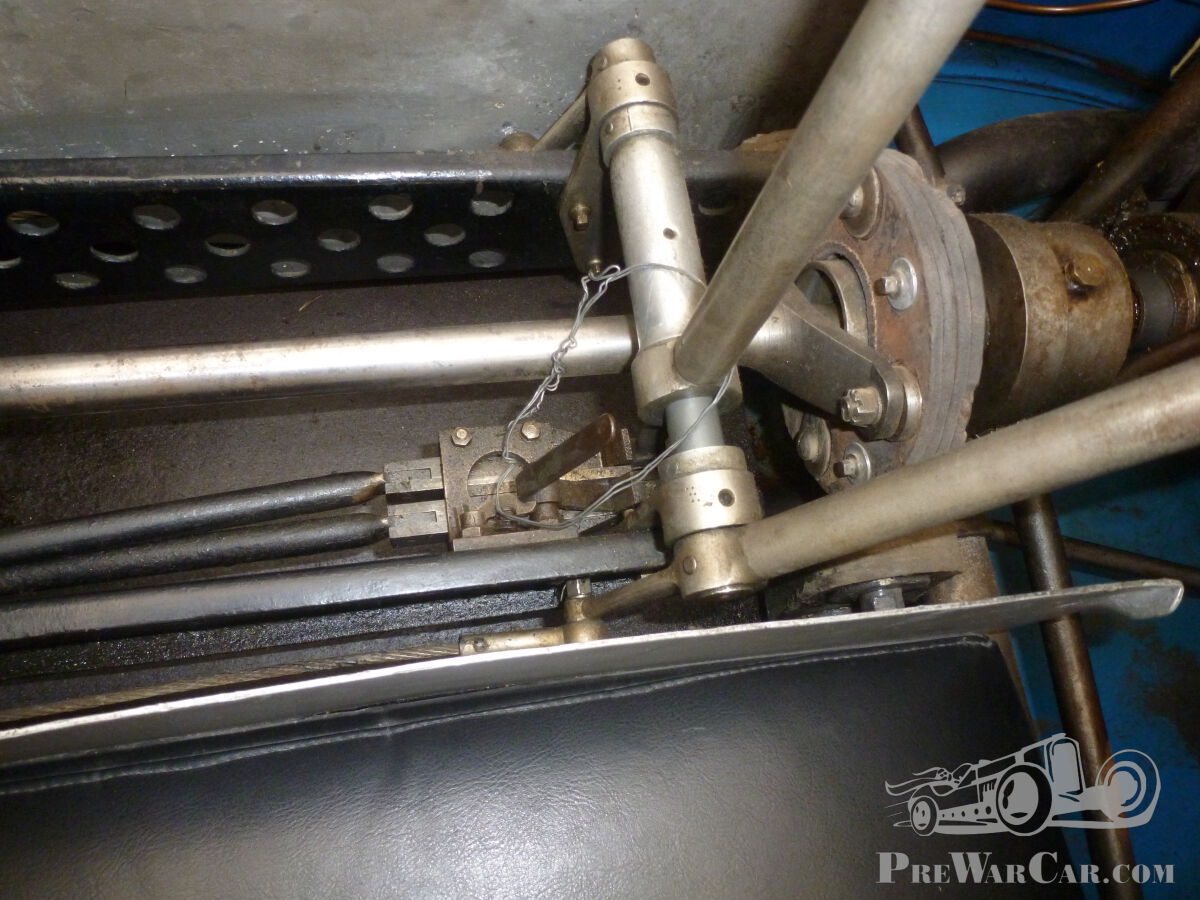
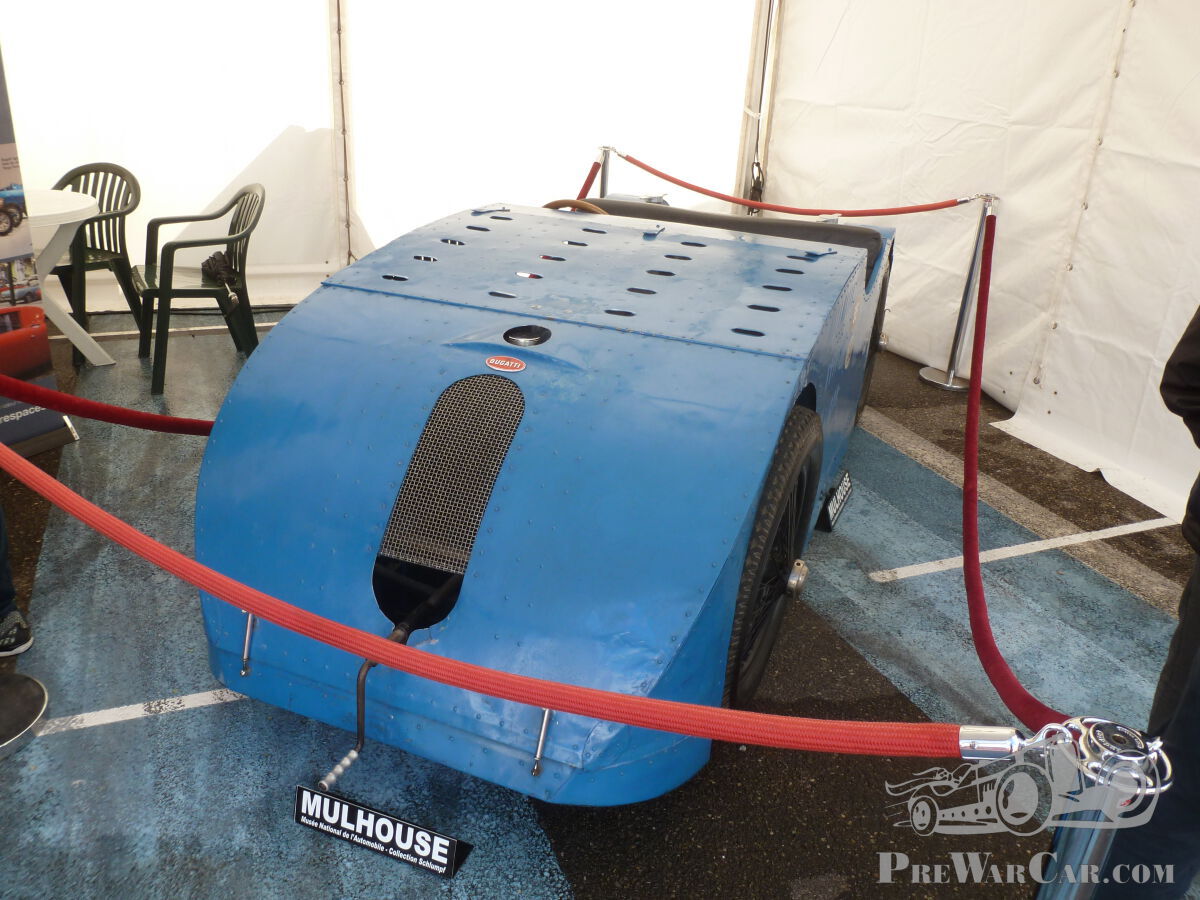
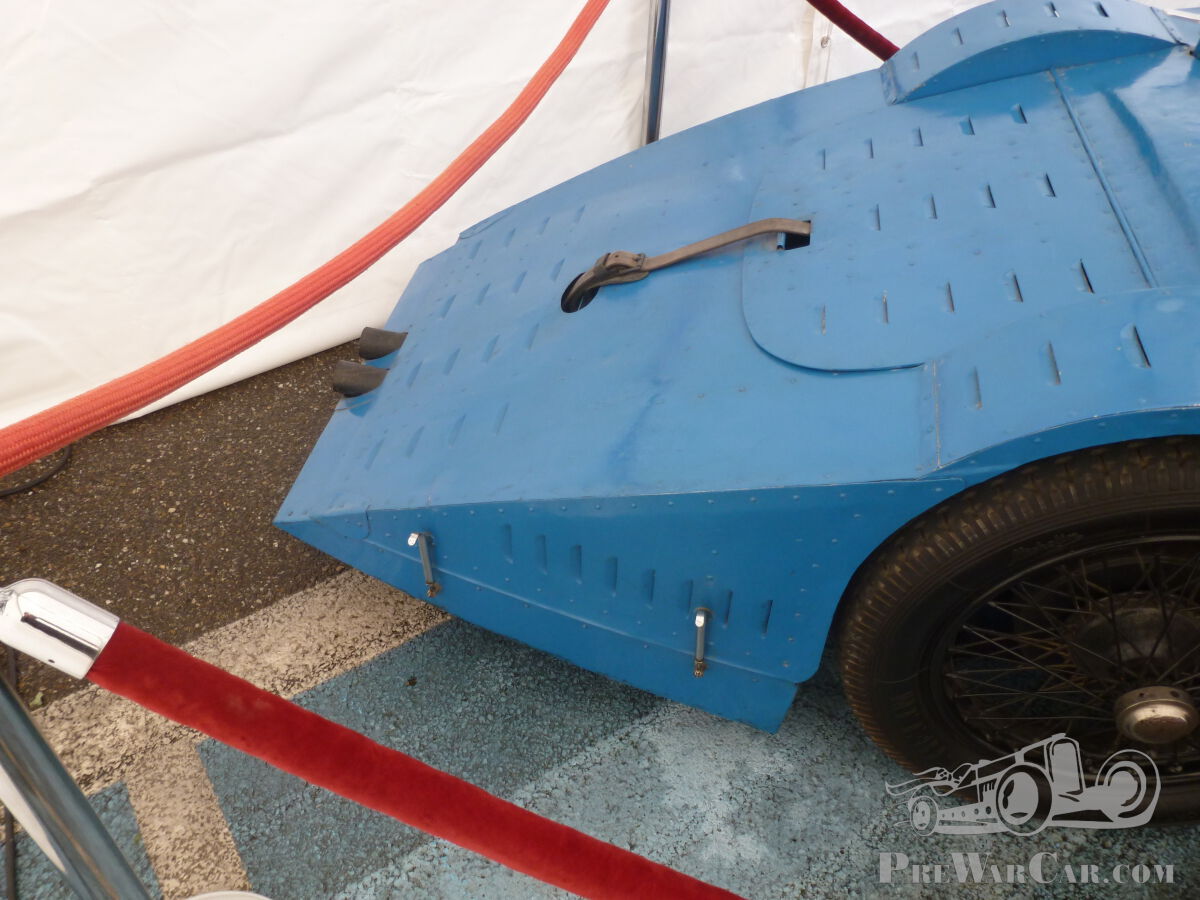
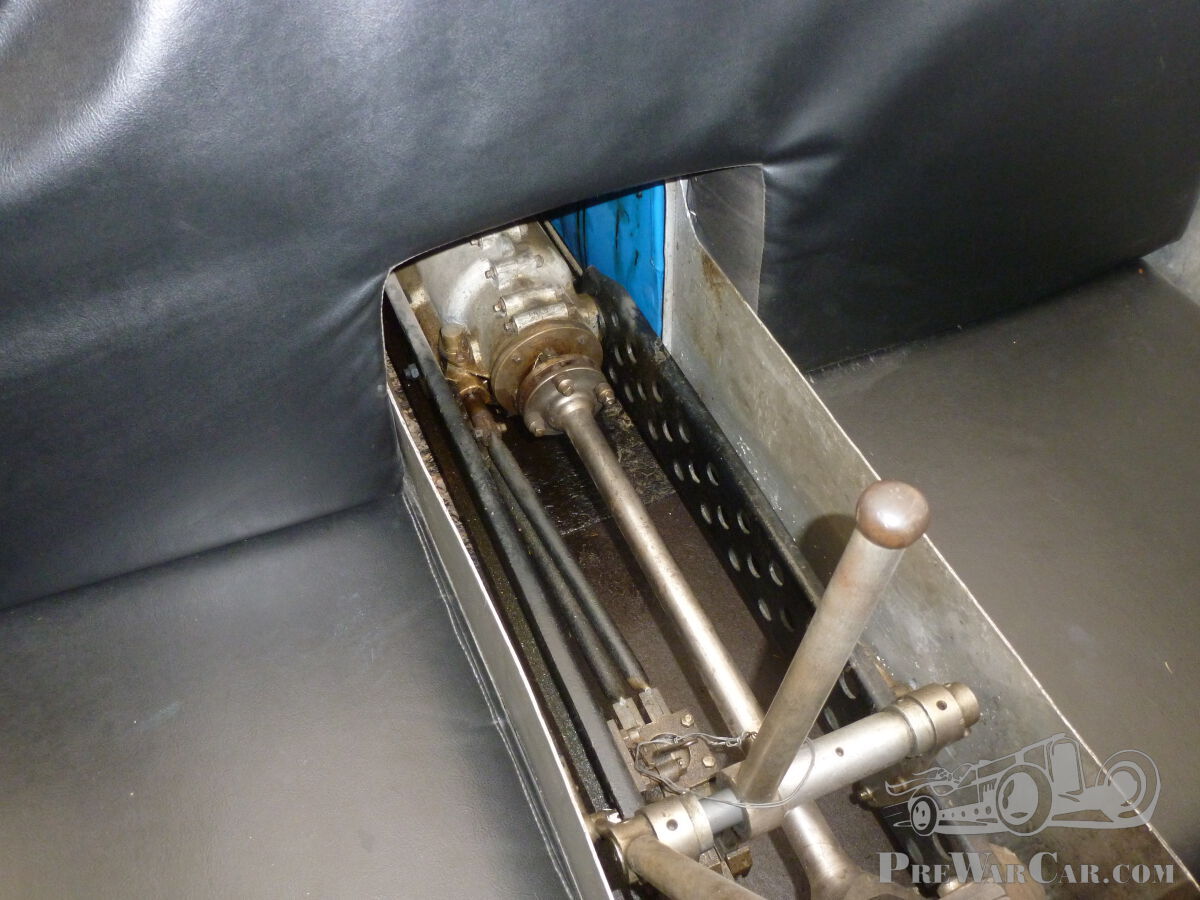
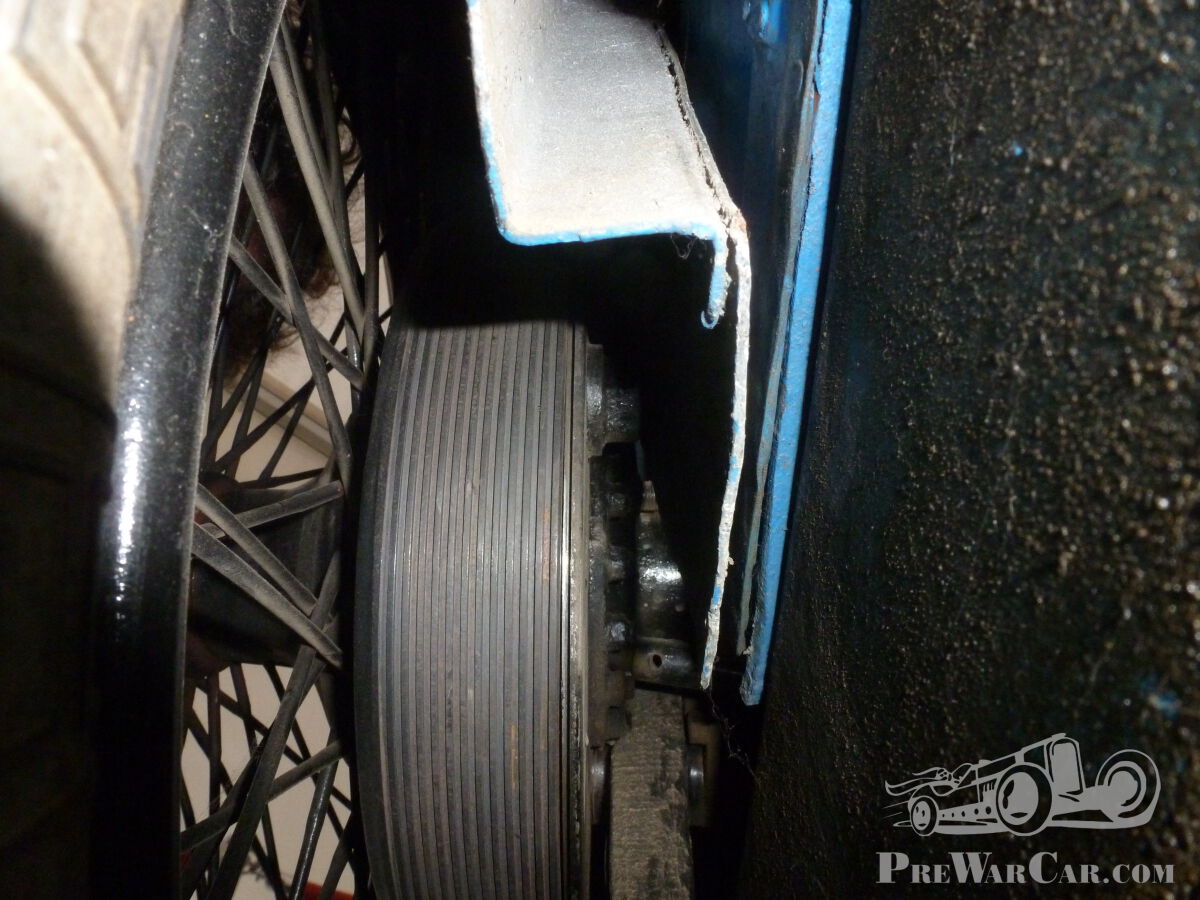
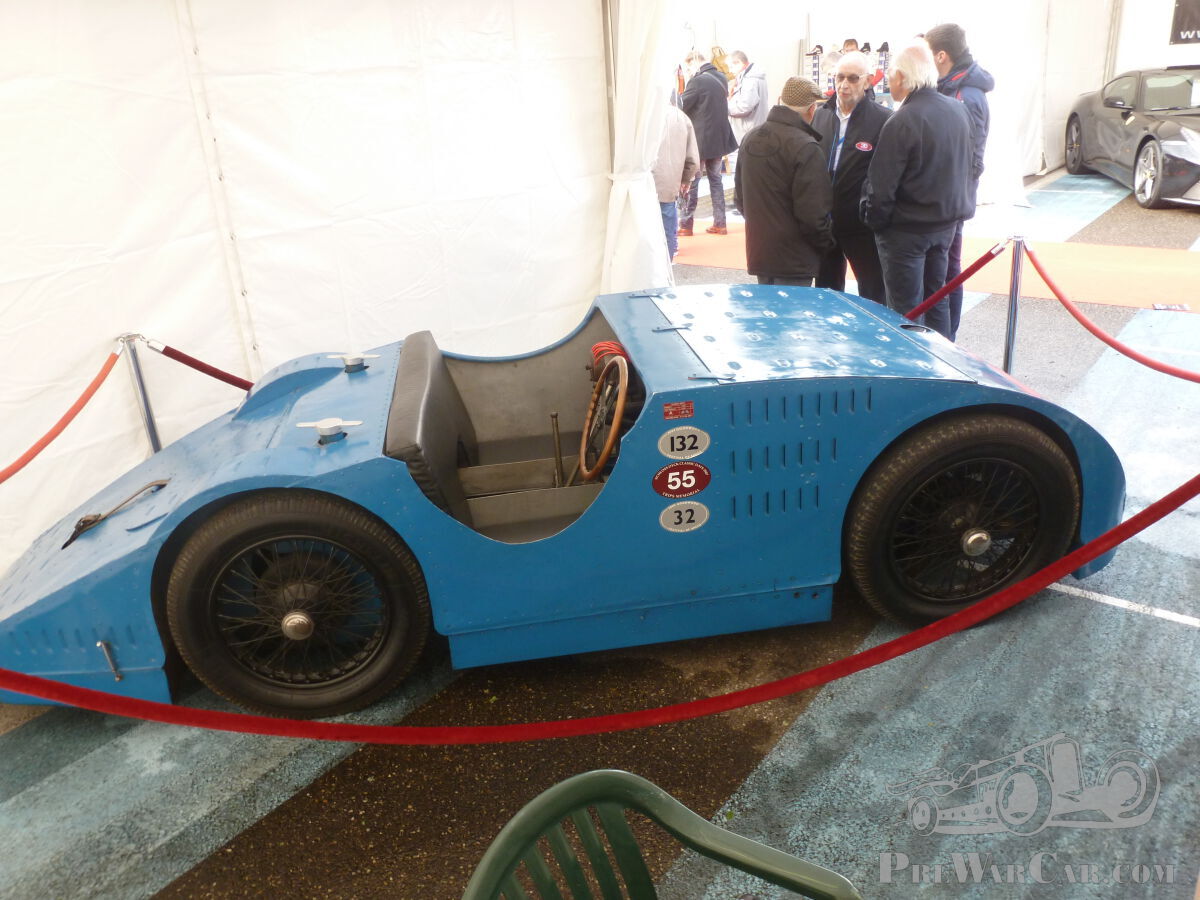
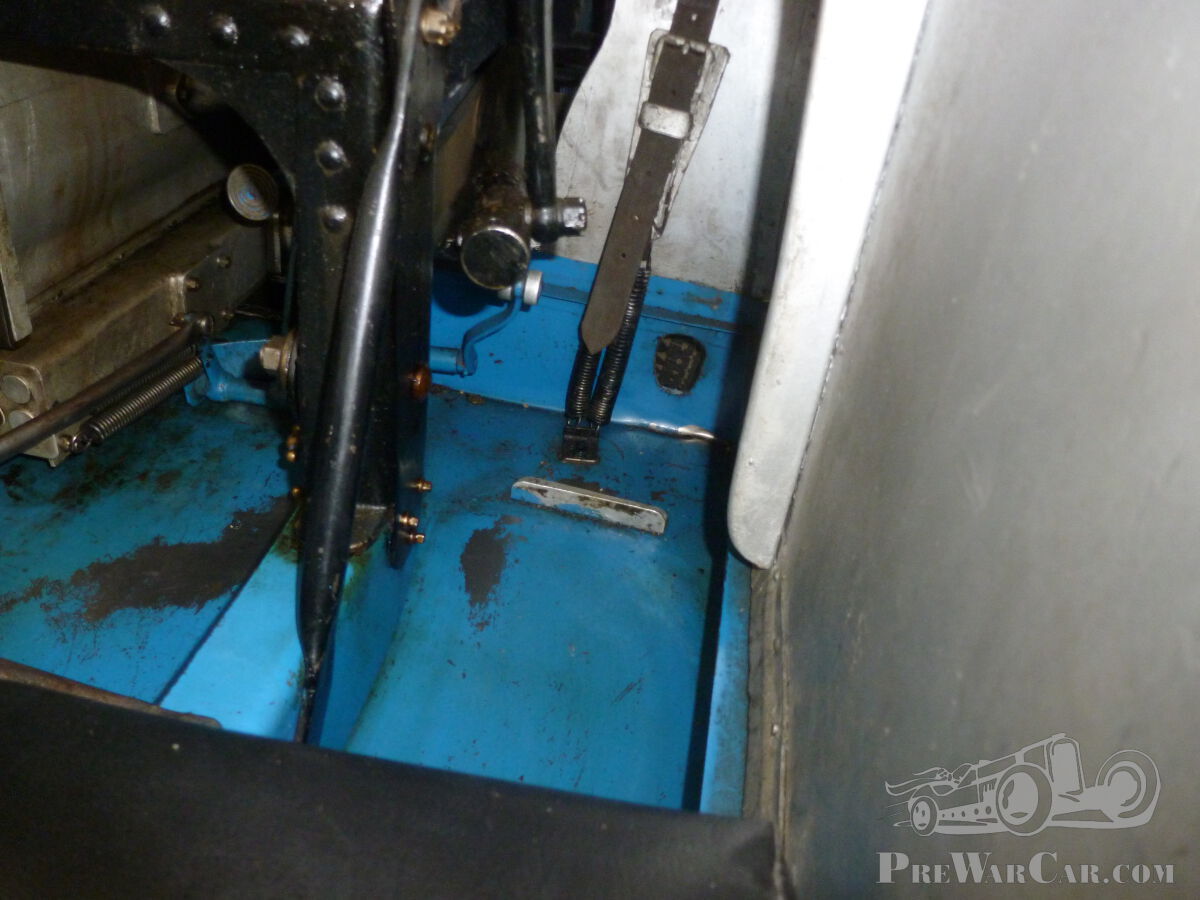
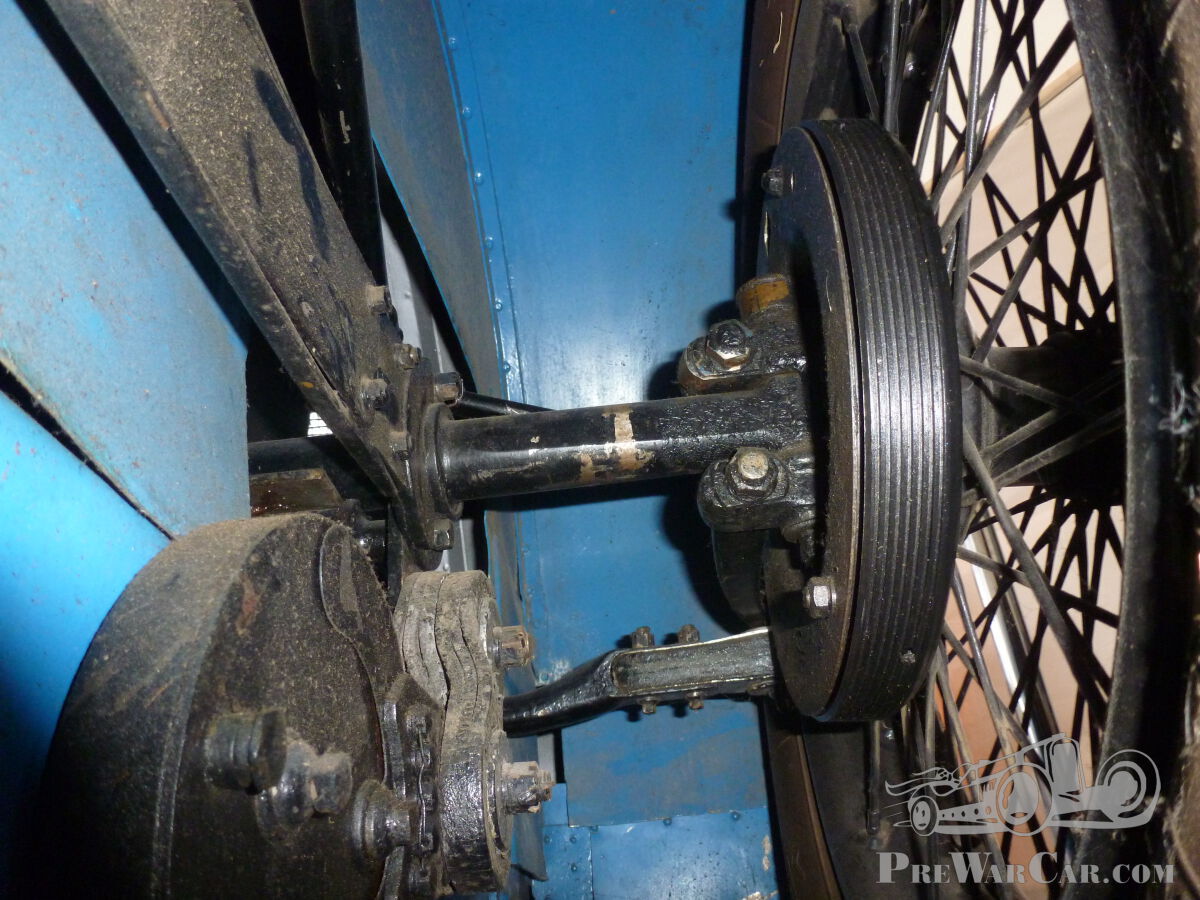
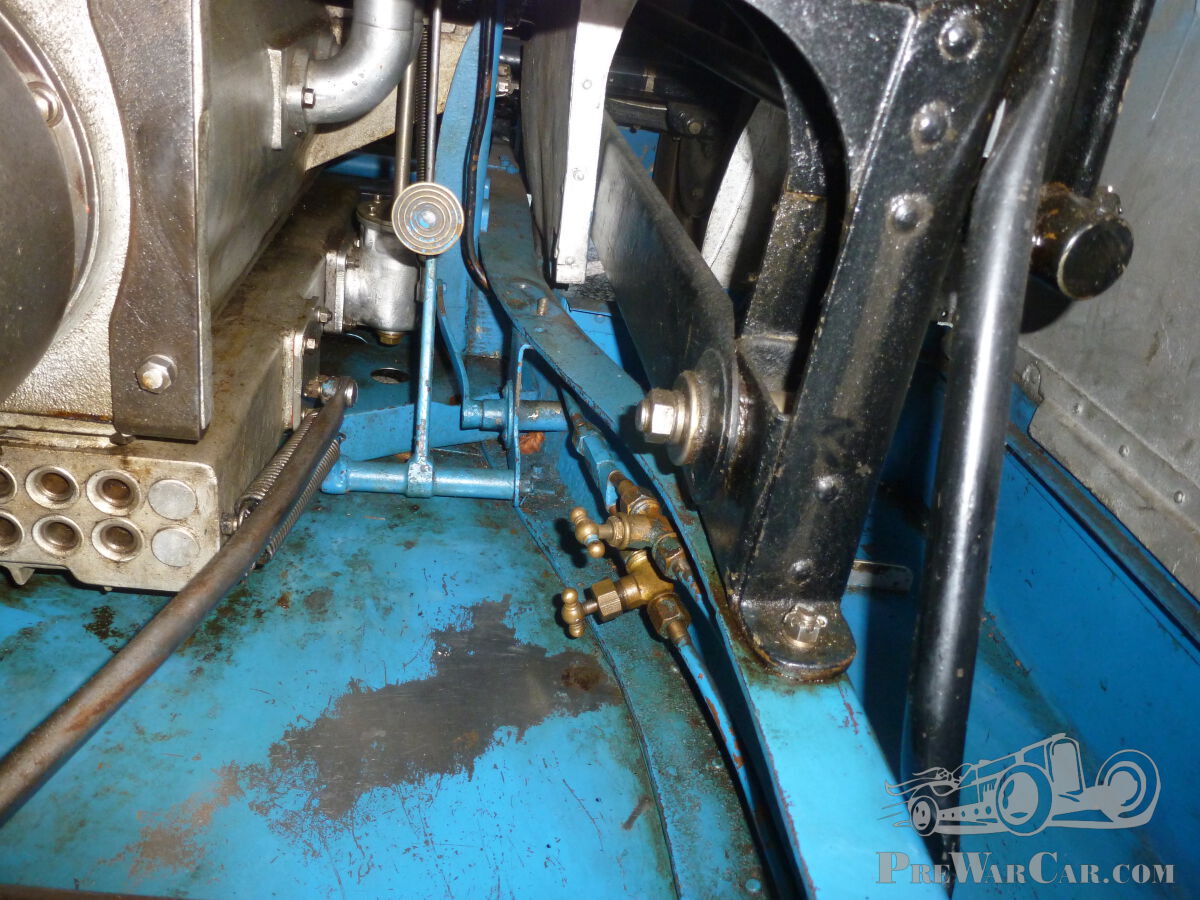
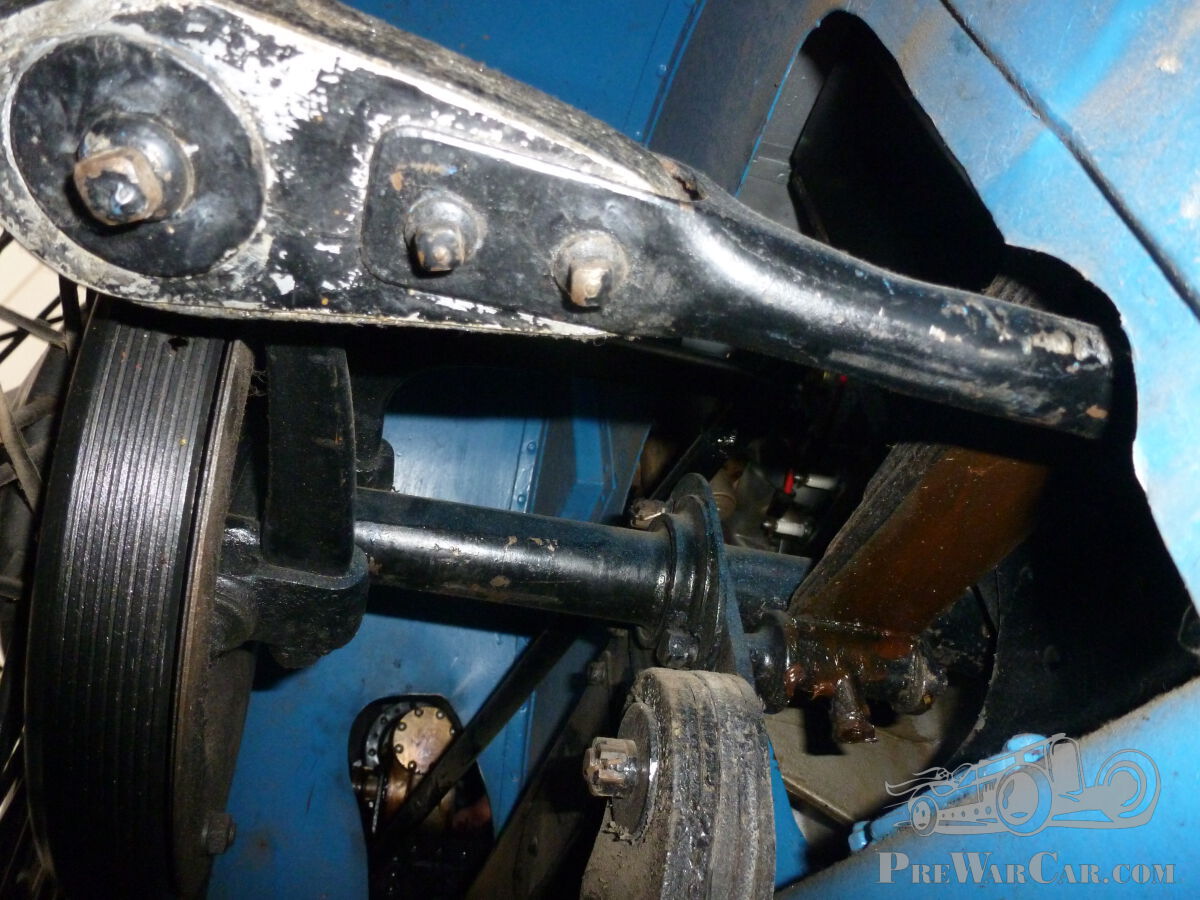
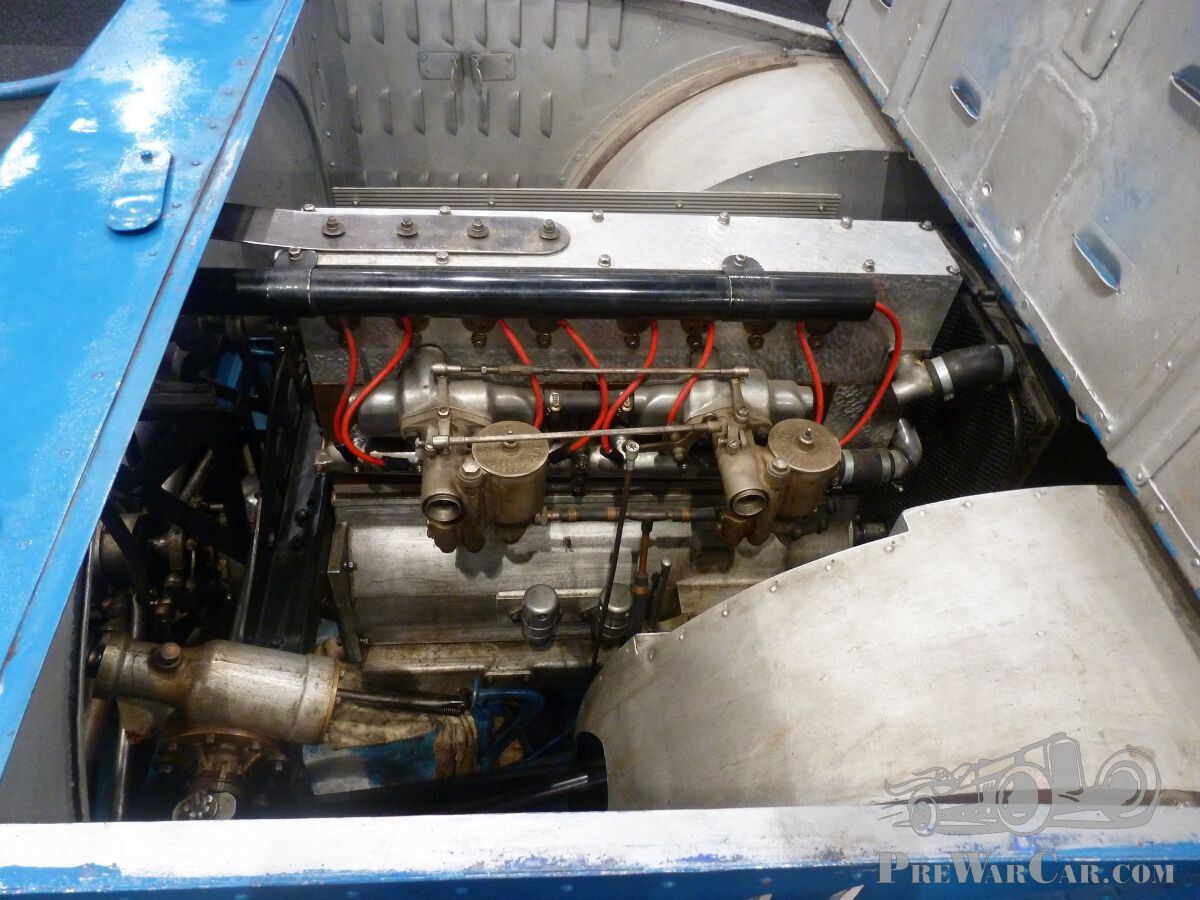

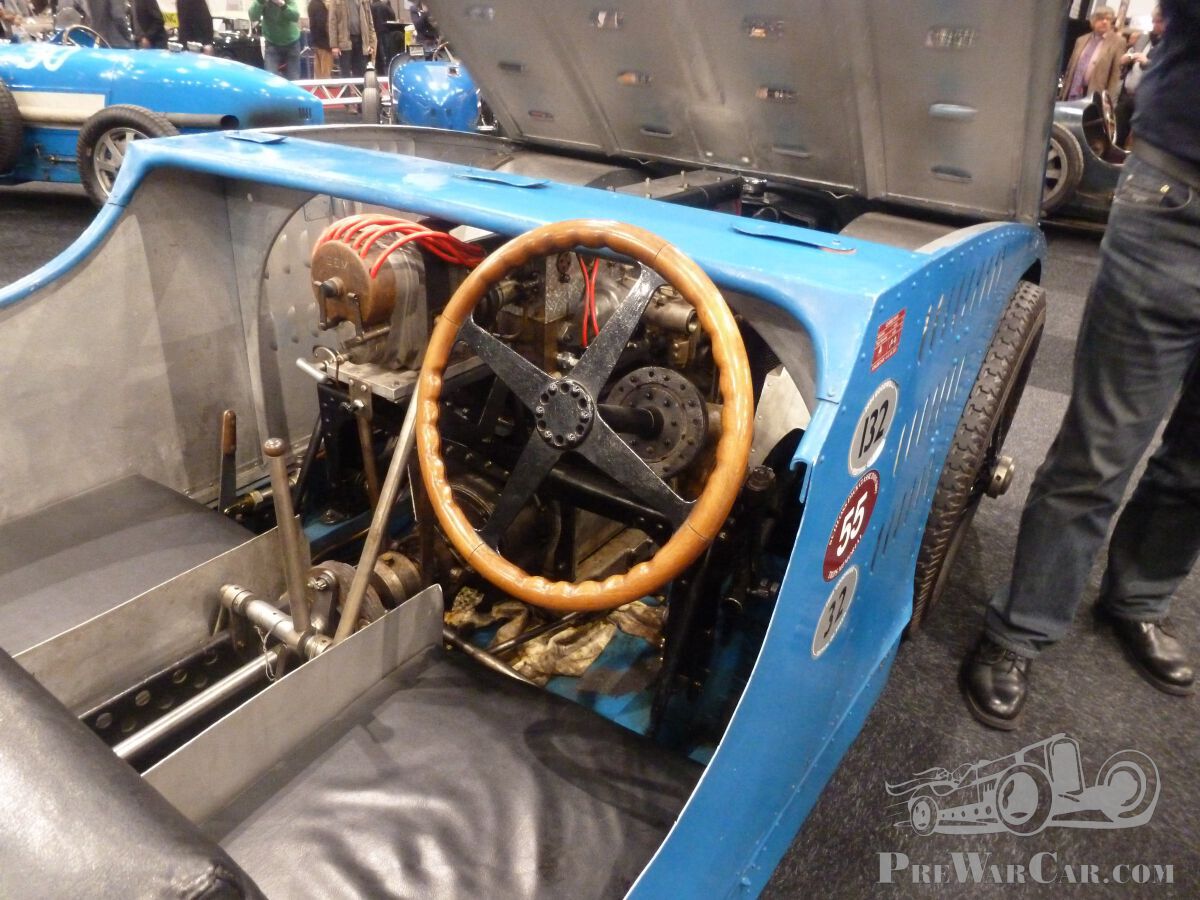
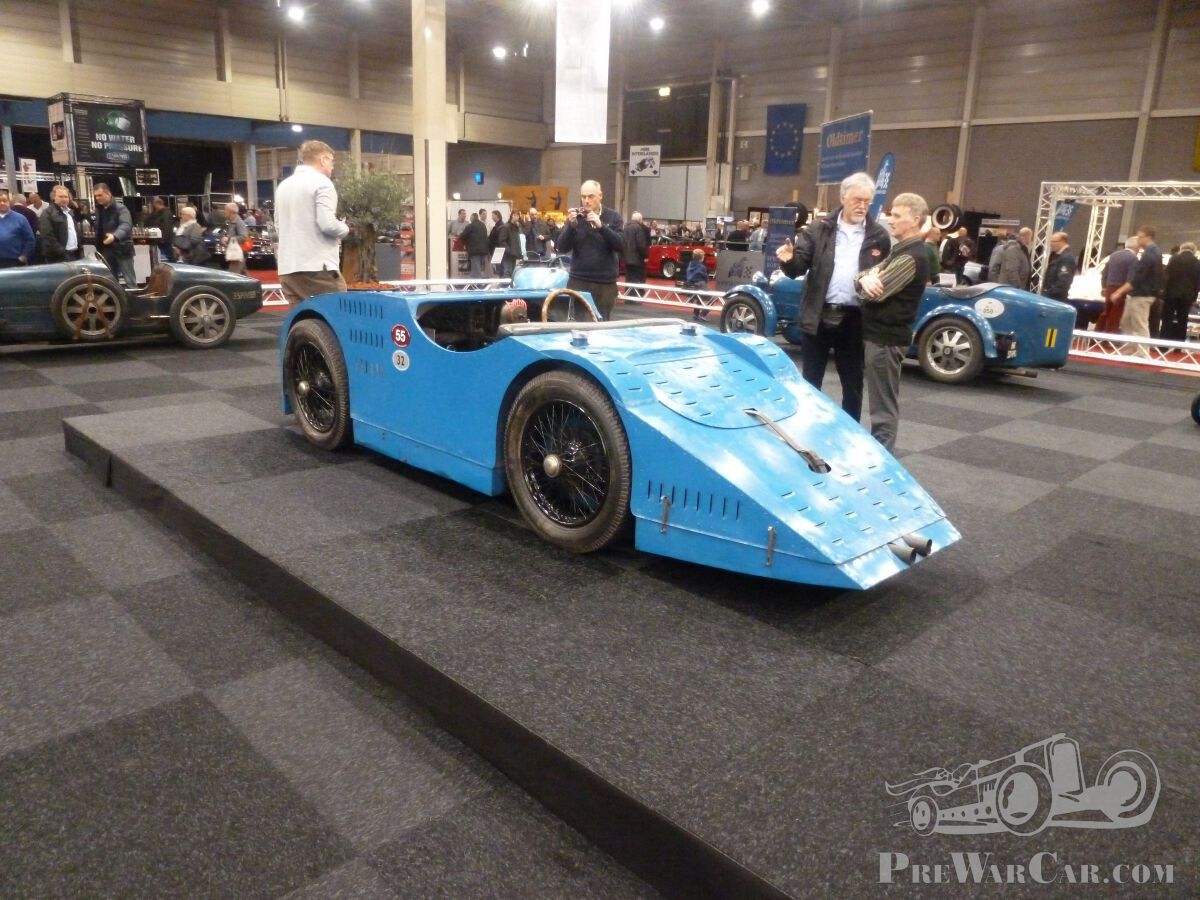

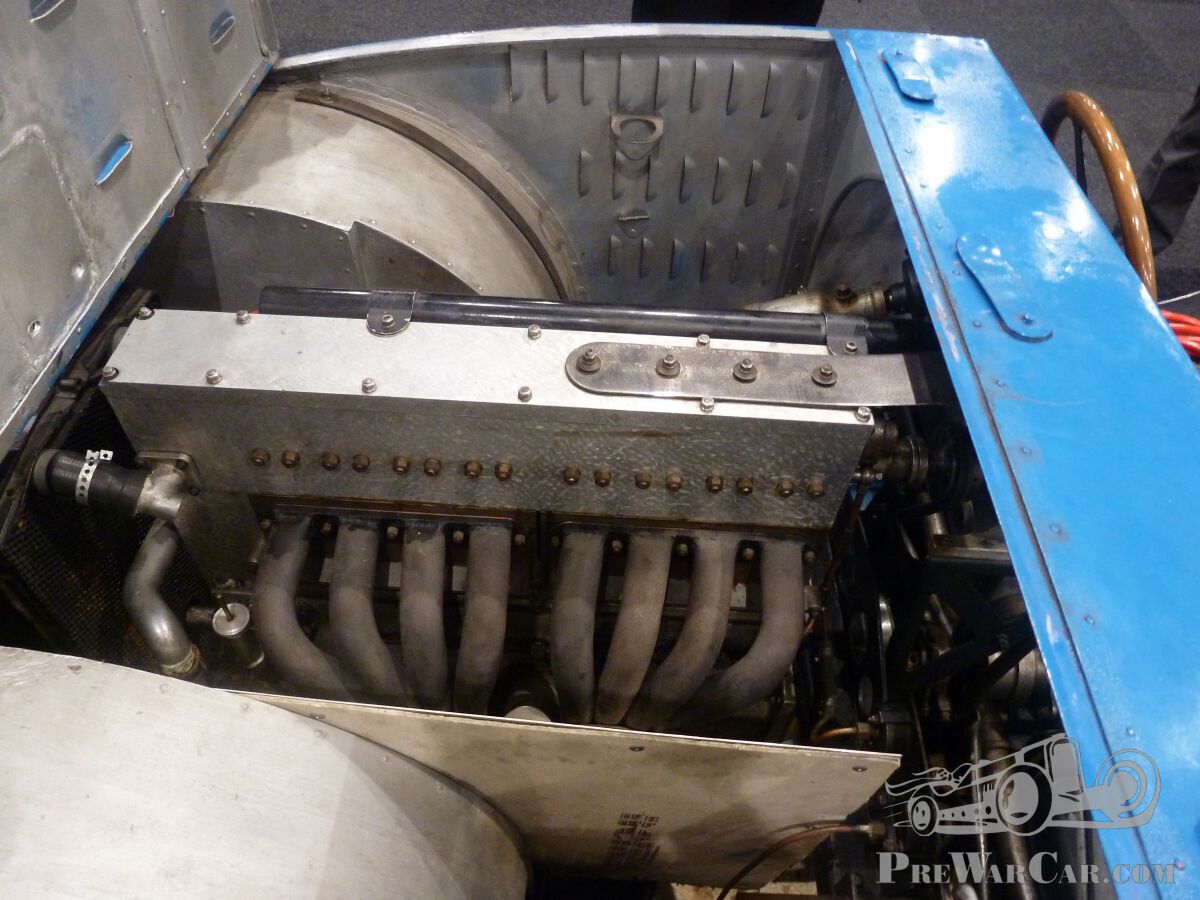
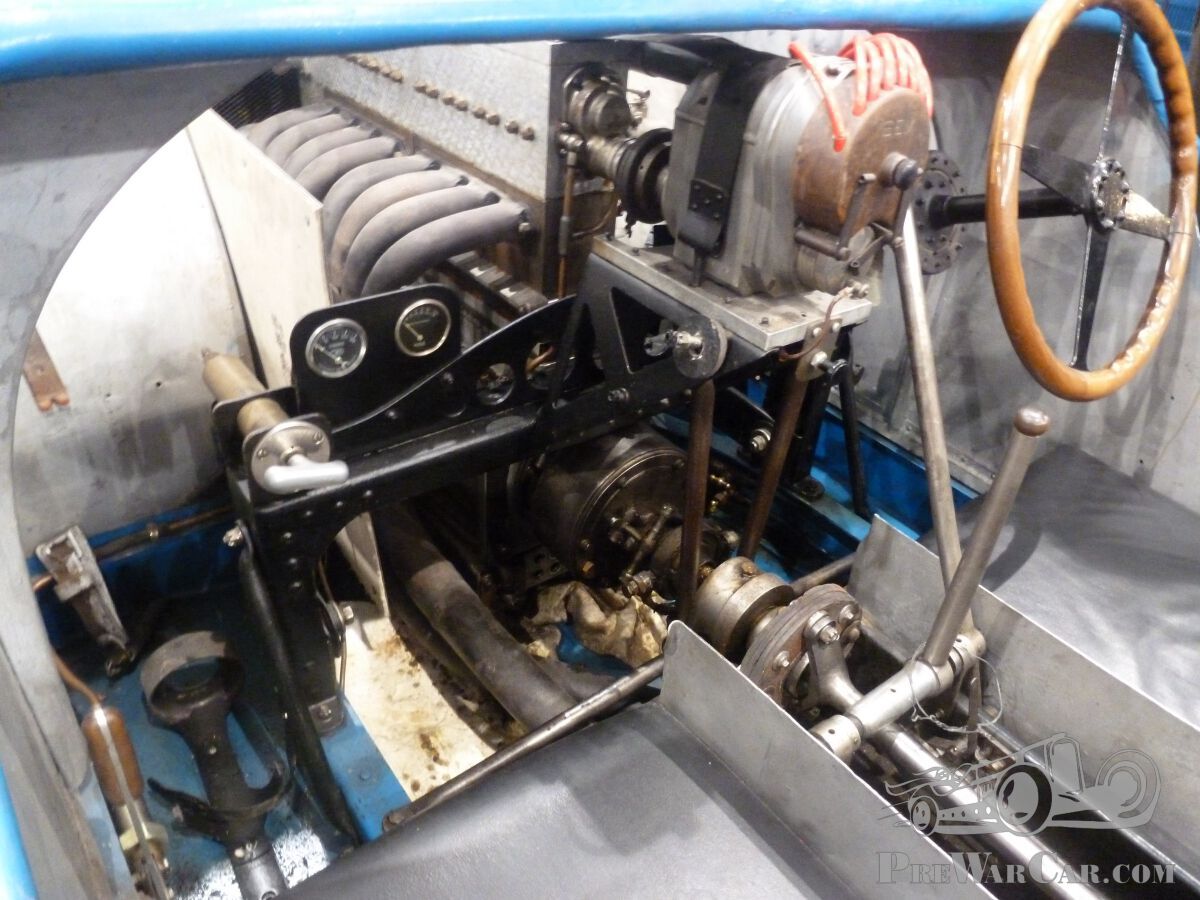


Some time ago we posted an article with photos of a visit to Cité de l'Automobile in Mulhouse. One of the photos shown was of a Bugatti T32. We wondered what was still known about these cars. The 1923 Bugatti T32, also known as 'the Tank', was like a streamlined racing car that most of us can draw. The design was, like many Bugattis, very innovative. Whether it deserved the beauty prize for looks is for you to judge.
What we do know is that the car did not achieve the greatest success in the 1923 French Grand Prix. Of the four participating T32s, it was Ernest Friderich who was most successful with third place after covering a distance of just under 800km in 7 hours and 22.4 seconds. The winner was Henry Segrave in a Sunbeam.
The engine of a T32 was an 8 cylinder, 1991cc (bore: 60mm, stroke: 88mm) producing around 90bhp. The shape of the aluminium body was based on the theory that one square foot of frontal area equals 5bhp. The theory may have been good, but they forgot the possible lift factor. And at 115mph, the cars reached the point where they 'came off the ground'.
Fun fact: it is the only Bugatti with an ‘underslung’ chassis, the axles are over the chassis. Because it was not a success, the T35 was built with a different chassis (and did become a huge success).
As mentioned, there were originally five Bugatti T32s built: four to participate in the 1923 French Grand Prix and one prototype. Who can add to our information?
Chassis no. 4057
This car was the Bugatti works prototype. It originally had registration no. 4874 JI, which was later changed to 4877 JI (changed with chassis no. 4058). It was first driven in Bol D'or in May 1923. After that it was used by Pierre de Viscaya in the 1923 Grand Prix, after he had crashed his own car (chassis no. 4058) in practice, but he retired after the first lap. Afterwards, 4057 was sold in the Paris Showroom on 24 February 1924. Further history unknown.
Chassis no. 4058
Originally had registration no. 4877 JI, later changed it with chassis no. 4057 to 4874 JI. Planned to participate in the Tour de France in 1923 (no. 11), driven by Vizcaya but he crashed in practice and the car was written off and most likely no longer exists.
Chassis no. 4059
The Ernest Friderich car. As it was the only one to finish, it was also the best of the four Type 32s that participated in the 1923 French Grand Prix, where it came sixth. Registration no. was 4876 JI.
After the 1923 race, Friderich's car (4059) was sold. It became the property of Elizabeth Junek from the Czech Republic in mid-September 1923 (officially 6 October 1923 but she had already participated in previous events with the car). What happened to it afterwards we do not know, but we do know that around 1974 Paul Foulkes-Halbard bought parts of a car that turned out to be Friderich's T32. According to an article in The Automobile in 1983, half of the car was originally from 'the Tank', another quarter was original Molsheim and a quarter reproduction parts. The car was then (1993-1994) restored in Italy. A book about it was written by the son of the restorer, Diego Ratti.
Chassis no. 4060
No. 18 in the French Grand Prix was driven by Prince de Cystria. After 12 laps he ran into a sandbank and was unable to finish the race. The registration no. was 4878 JI. What happened after the race is not known to us.
Chassis no. 4061
The only original T32 known to exist. Like 4058 and 4060, it did not finish the 1923 French Grand Prix. The car was driven by Pierre Marco but had to retire after four laps. After this, the car, which had registration no. 4875 JI, remained with Bugatti until it was sold to the Schlumpf brothers. The car is still in the museum in Mulhouse.
Others
There is the ex-Bob Sutherland replica (engine no. 4093, registration no. 112-384), built in the seventies, sold at Christies in 2000 and last seen in California.
What we would be most interested to know is what happened to the cars, are they still in collections around the world, are they shown at events and, most of all, has anyone driven them and can they share that with us?
Sources: The Automobile, BugattiRevue, Book: Bugatti Type 32 Tank by Diego Ratti, photos from own archive and Jaap Horst of Bugattipage.com.
Gepubliceerd:
dinsdag december 14th, 2021
Facebook
LinkedIn
Twitter
WhatsApp
Email
Copy
Reacties
Historic Competition Services
01 November 2023, 20:37
Any idea on the tyre size? Looking from the picture they must be 21" plus?
Lees verder
Franco
22 Februari 2024, 18:56
4.75 by 19 inch rims were installed
If you have technical information and dimensions etc. please contact me. Thank you.
------------------------------------------------
Es sind 4.75x19 Zoll Felgen verbaut worden
Wer Technisch Informationen & Masse usw hat soll sich bitte bei mir melden Danke.
Lees verder
If you have technical information and dimensions etc. please contact me. Thank you.
------------------------------------------------
Es sind 4.75x19 Zoll Felgen verbaut worden
Wer Technisch Informationen & Masse usw hat soll sich bitte bei mir melden Danke.
Tony Collinson
19 December 2021, 22:49
I saw two or maybe three of them at Angouleme at the Circuit des Ramparts weekend, back in about 2004
They were on show in a quiet square there, not racing.
Lees verder
They were on show in a quiet square there, not racing.
Noel Hutchinson
19 December 2021, 12:55
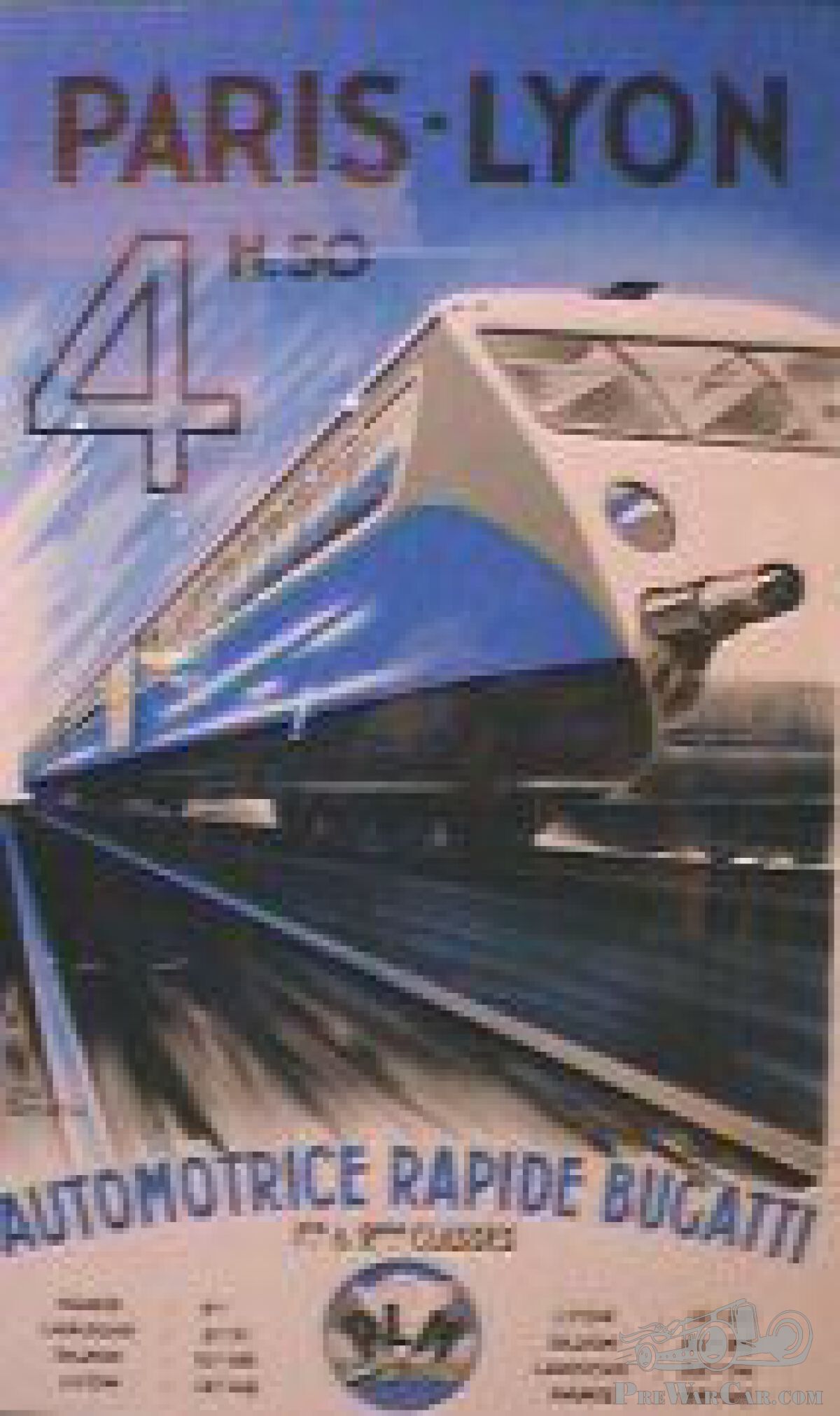
May I add to the refences to the A4 locomotive design. Railway authors attribute Nigel Gresley's design to have been influenced by the Bugatti railcars. In his book Nigel Gresley, Locomotive Engineer, FAS Brown writes "In France petrol-engined railcars, powered by four Bugatti engines of 200hp each, were running between Deauville and Paris. Gresley was a friend of Ettore Bugatti, the racing car constructor who built the French railcars, and during one of many visits to France travelled from Deauville to Paris in a Bugatti railcar to judge its possibilities for himself. He was very much impressed by the car's wedge-shaped nose....."
Lees verder
Tyrone Hopes
15 December 2021, 18:50
Well, the A4 Pacific locomotives were built in 1935. The speed record of 126mph was achieved in July, 1938. It looks like the fact is the other way round: that Gresley copied Bugatti's streamlining. Remember, Bugatti designed rail motors in the 1930's that were powered by a version of his massive straight 8 that was first created out of the Bugatti Royale. His first Rail motor was running in 1933
Lees verder
Larry Lewis
16 December 2021, 15:54
The Swiss company Fulgurex makes N scale models of the Bugatti railcars in several versions. The cheapest one is 1,190 Swiss francs which I sure can't afford!
Lees verder
pieter schenk
19 December 2021, 10:02
yes there is also a tin toy model of this railroad train ,wich i did afford .
Lees verder
Larry Lewis
15 December 2021, 01:23
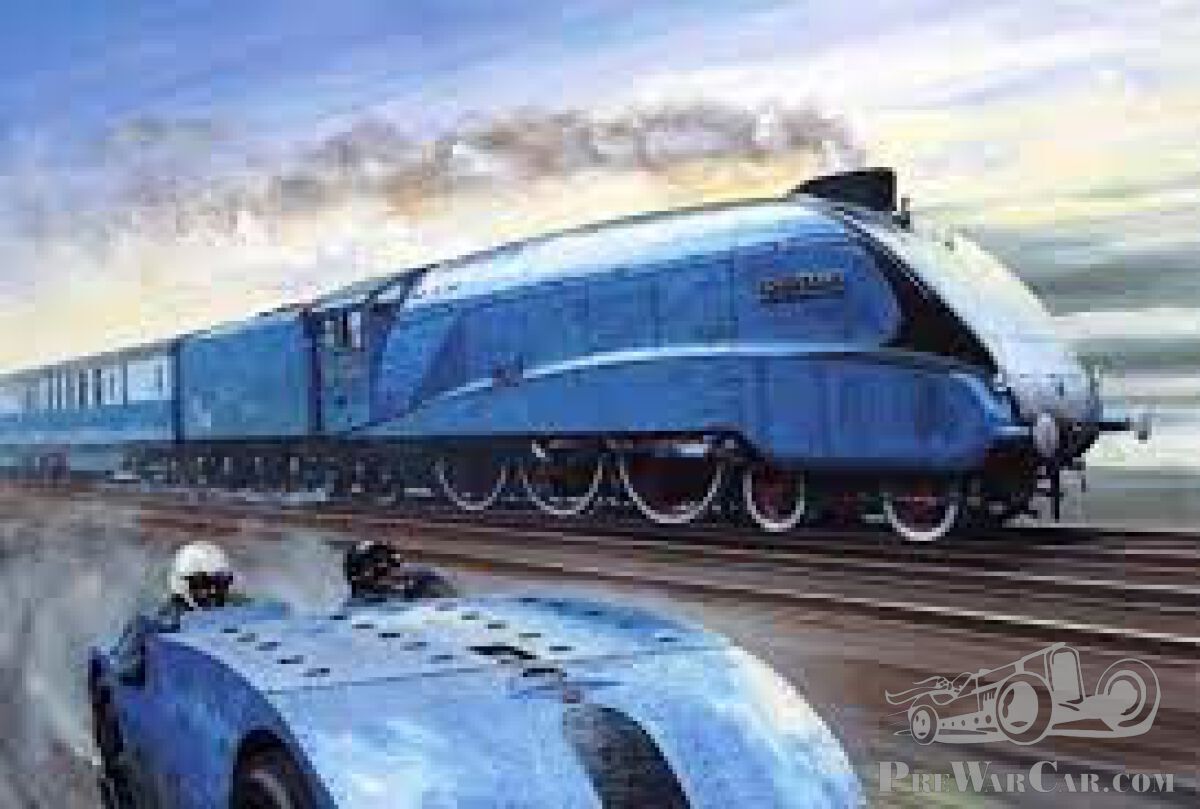
Here is another "fun fact" - the tank Bugattis were the styling inspiration for the type A4 Pacific locomotives designed by Nigel Gresley and the Mallard set a speed record that has never been broken.
Lees verder