Het wereldwijde magazine en verkoopplatform voor liefhebbers van klassieke auto’s, door liefhebbers.
Het wereldwijde magazine en verkoopplatform voor liefhebbers van klassieke auto’s, door liefhebbers.


Filter
Maak een keuze
- Auto's
-
Merk >>
-
Bouwjaar >>
-
-
Categorie >>
- Motorfietsen
- Onderdelen
-
Automerk >>
-
Fabrikant >>
-
Categorie >>
- Fietsen
-
Bouwjaar >>
-
Landen


Divo's nummer één in Le Mans, 1923
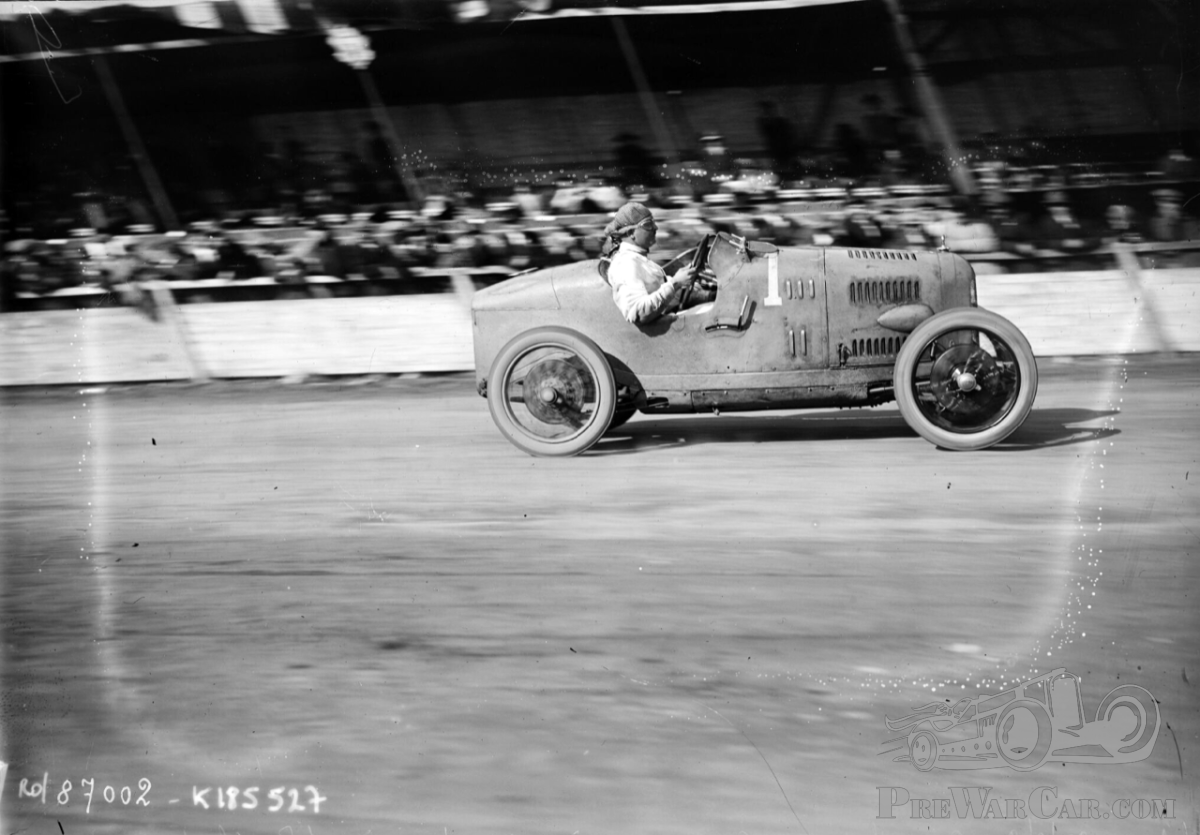

In 2023 is het honderd jaar geleden dat de 24-uursrace van Le Mans voor het eerst werd gehouden, en het lijdt geen twijfel dat dit niet alleen op het Circuit de la Sarthe zelf zal worden gevierd, maar ook op racecircuits, in musea, tentoonstellingszalen en concours d'élégance grasvelden elders.
Deze foto is genomen in Le Mans in 1923 en even dachten we dat deze kleine Talbot, met het nummer '1' fier op de zijkant geschilderd, de allereerste auto moest zijn die ooit van start ging in wat misschien wel de beroemdste autorace ter wereld is.
Helaas was dat niet zo. Voor zover we weten is het Albert Eugène Divo op weg om de andere grote race in Le Mans te winnen, de Coupe des Voiturettes. Nogmaals, zou het de Grand Prix de Penya-Rhin kunnen zijn in oktober 1923? Hij zou daar met de Talbot gereden hebben. Het zou zelfs genomen kunnen zijn tijdens de Argenteuil heuvelklim, gehouden in de buurt van Parijs datzelfde jaar.
De eerste 24-uurs race in Le Mans, gehouden op 26 en 27 mei, was een zeer Franse aangelegenheid. Omdat alle auto's in hun nationale racekleuren waren gespoten, was er een overwicht van Frans blauw op het circuit. De enige uitzonderingen waren een enkele groene Bentley Three-Litre fabrieksauto uit Groot-Brittannië en twee 5,3-liter zescilinder Excelsiors uit België in het nationale racegeel. Opmerkelijk genoeg droegen de Excelsiors de nummers '1' en '2', maar dat kwam omdat de auto's werden genummerd in volgorde van motorinhoud, met de grootste eerst. Ze kwamen respectievelijk als 9e en 4e overall thuis. Het zou leuk zijn om te weten wat er met deze auto's is gebeurd - zou het niet geweldig zijn om ze een eeuw na hun race op Le Mans in actie te zien?
Woorden: Jeroen Booij; foto: Frans Nationaal Archief
Gepubliceerd:
maandag februari 13th, 2023
Facebook
LinkedIn
Twitter
WhatsApp
Email
Copy
Reacties
David Grimstead
14 Februari 2023, 17:07
There is a picture of Divo in this winning No.1 car on Wikimedia Commons:
h**ps://commons.wikimedia.org/wiki/File:Albert_Divo_vainqueur_du_Grand_Prix_de_Penya-Rhin_en_1923,_sur_Talbot.jpg
Divo’s first good placing in a Talbot-Darracq was second in the 1922, 1500 c.c. I-o-M, T.T. He drove a 2.0-litre Sunbeam to second place in the French Grand Prix de Vitesse at Tours in July 1923. He had engine failure when he drove a Talbot-Darracq in the 1500 c.c class of the Light Car and Cyclecar Race at the August 1923 Boulogne Week. Three Talbot-Sunbeams were entered in the Club l’Ouest voiturette race at Le Mans, which Divo won on 24th September 1923.
It seems to be a feature of later 1923, 1.5-litre, Talbot-Darracqs that what looks like a brake lever exits the bodywork via a curved slot – the lever is external on the 2.0-litre Sunbeams. There is also a press photo of Divo, on the Gallica.bnf.fr. website, said to be published 1926, sitting in a No.20 car, which shows this and other 1.5-litre bodywork features. Divo was still driving Talbots in the later 1930s.