Het wereldwijde magazine en verkoopplatform voor liefhebbers van klassieke auto’s, door liefhebbers.
Het wereldwijde magazine en verkoopplatform voor liefhebbers van klassieke auto’s, door liefhebbers.


Filter
Maak een keuze
- Auto's
-
Merk >>
-
Categorie >>
- Motorfietsen
- Onderdelen
-
Automerk >>
-
Fabrikant >>
-
Categorie >>
- Fietsen
-
Bouwjaar >>
-
Landen


Een mysterieus Frans monster
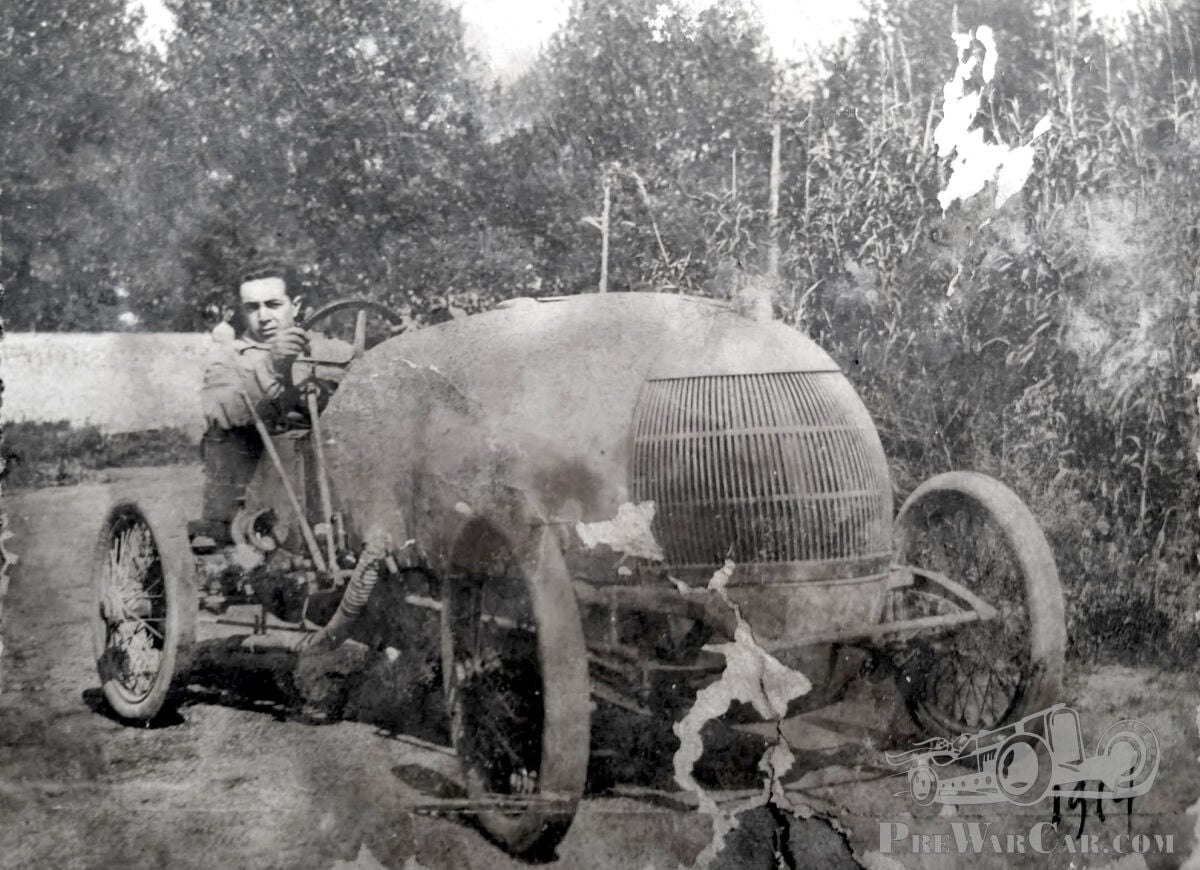

Deze bijzonder intrigerende foto is afkomstig van de Fransman Gilles Chabantous, die hem onlangs wist te bemachtigen. Net als wij heeft hij geen idee welke auto hierop te zien is. Gilles schrijft: “Deze foto kocht ik als onderdeel van een verzameling. Ik heb er geen enkele informatie over. Mocht iemand meer weten…”
Het is beslist een beeld dat de verbeelding prikkelt. We hebben vaker grote, ronde radiateurs gezien, maar nog nooit zoiets als het exemplaar op deze foto. Dit moet toch haast wel een zelfbouwcreatie zijn? Wat kunnen we afleiden uit het zichtbare chassis en de wielophanging? Laag aan de rechterzijde van die enorme, eivormige motorkap komt een uitlaatpijp naar buiten, terwijl ook het stuur rechts zit. En heeft deze auto werkelijk geen voorremmen?
Helaas heeft de tand des tijds de foto behoorlijk aangetast, waardoor mogelijk enkele interessante aanwijzingen verloren zijn gegaan. Wie goed kijkt, kan echter nog net zien dat dit monster ook een kenteken droeg. Helaas valt er van het registratienummer weinig te ontcijferen. De enige andere aanwijzing lijkt het jaartal ‘1914’ te zijn, rechtsonder op de foto geschreven.
Dus… heeft iemand enig idee?
Tekst door Jeroen Booij
Foto met dank aan Gilles Chabantous
Gepubliceerd:
maandag september 14th, 2026
Facebook
LinkedIn
Twitter
WhatsApp
Email
Copy
Reacties
RUDLER CHANTAL
20 September, 16:20
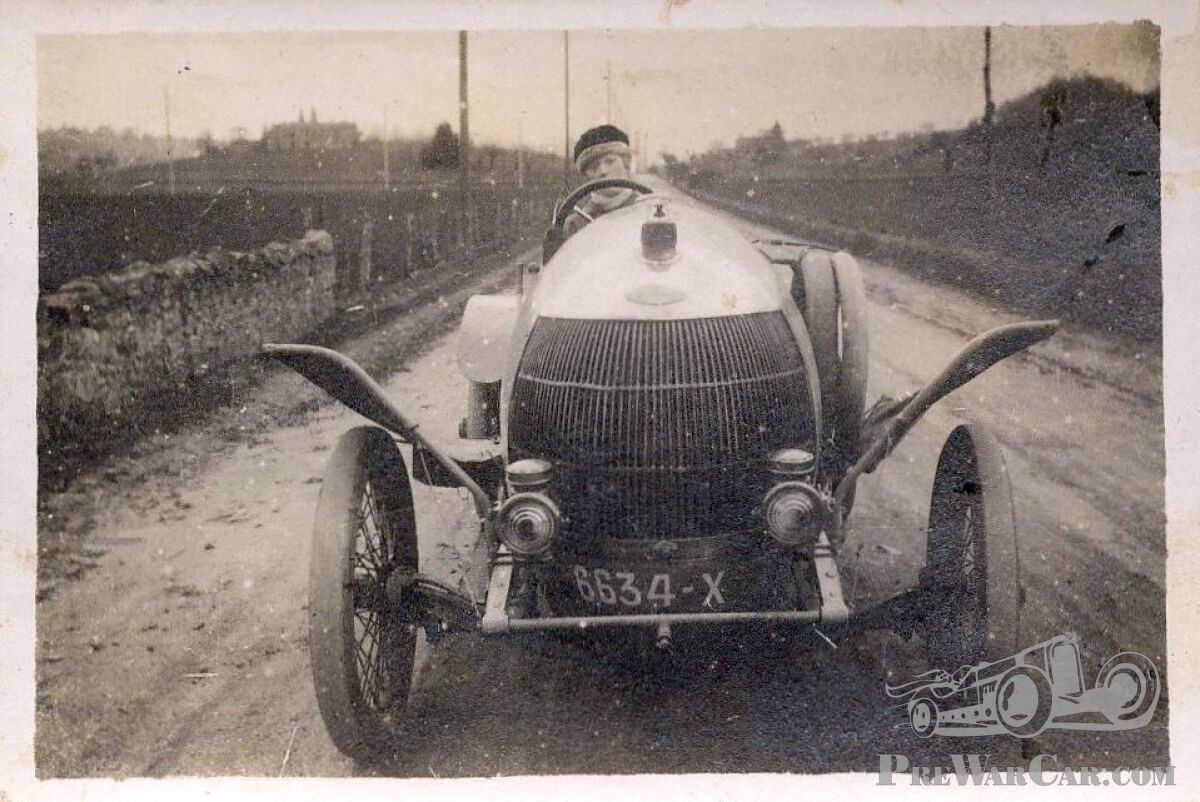
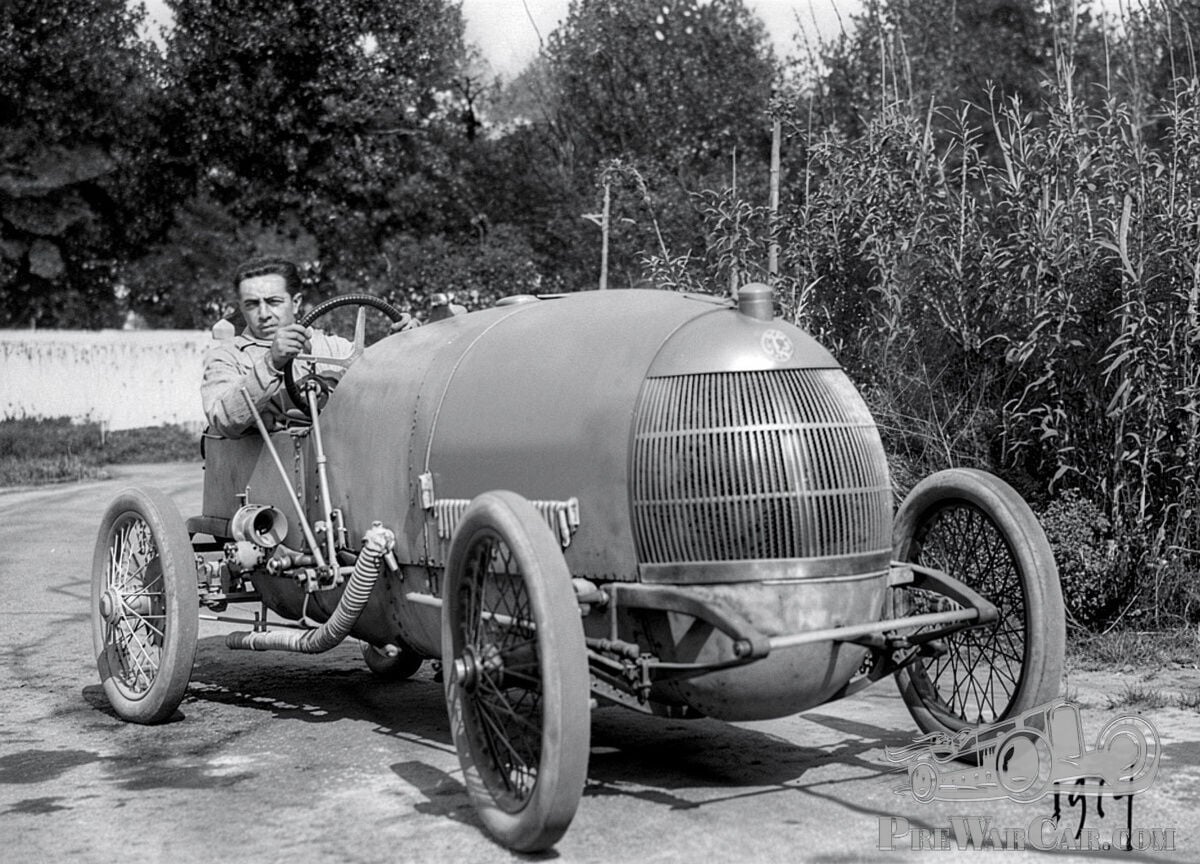
Hello. Here is a clearer version of the photo. The number plate appears to end in ‘Y’, which corresponds to the Rouen/Versailles district, assigned from 1 October 1901 to 16 May 1902. That seems to me to be quite an early date for the Suère brand, which was founded in 1905.
—-
bonjour. Voici une amélioration de la photo. L'immatriculation semble se terminer par Y ce qui correspond à l'arrondissement de Rouen / Versailles attribué du 01/10/1901 au 16/05/1902. Cela me semble une datation bien ancienne pour la marque Suère crée en 1905.
Lees verder
—-
bonjour. Voici une amélioration de la photo. L'immatriculation semble se terminer par Y ce qui correspond à l'arrondissement de Rouen / Versailles attribué du 01/10/1901 au 16/05/1902. Cela me semble une datation bien ancienne pour la marque Suère crée en 1905.
Ariejan Bos
15 September, 08:41
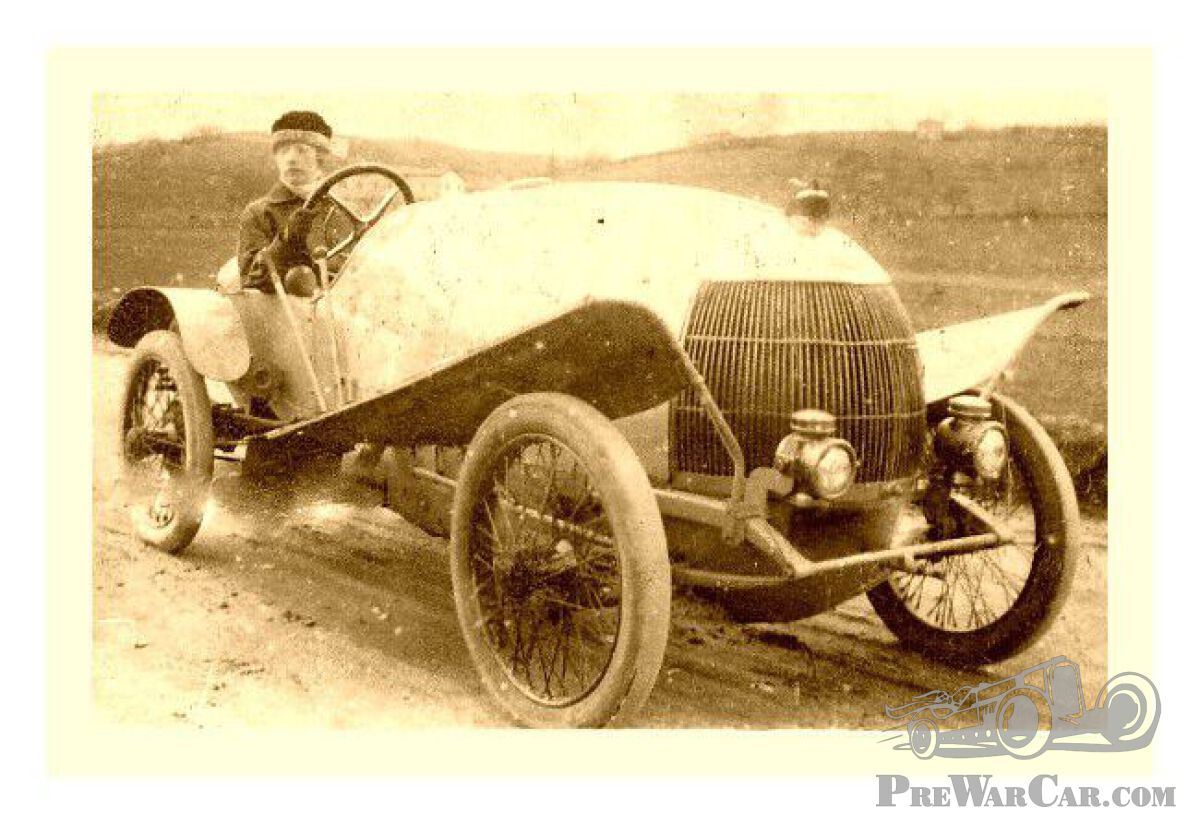
The photo in the post by M. Burkhard Broser is indeed one of the photographs I referred to. The driver in the Suère, Mme. Fleure Morel, was apparently photographed by her husband. The note coming with the photos that the car would have taken part in the Grand Prix de l’ACF seems to be wishful thinking, because we all know, or could otherwise easily verify, that there was no Suère in that or any other Grand Prix.
Lees verder
Derek Magrath
14 September, 20:40
That would probably be the same André Morel who was a significant character at Amilcar - with many racing successes - before going on to race for Voisin, Delage, and Talbot. There is a biography of him on Philippe Schram's website but there is no mention of him involved with a Suère.
Lees verder
Burkhard Broser
14 September, 19:10
I found this photo on my HDD of a certain Mme Morel on board of the 1914 Suere that took part in that year´s Grand Prix de la A.C.F.
Lees verder
Ariejan Bos
14 September, 10:04
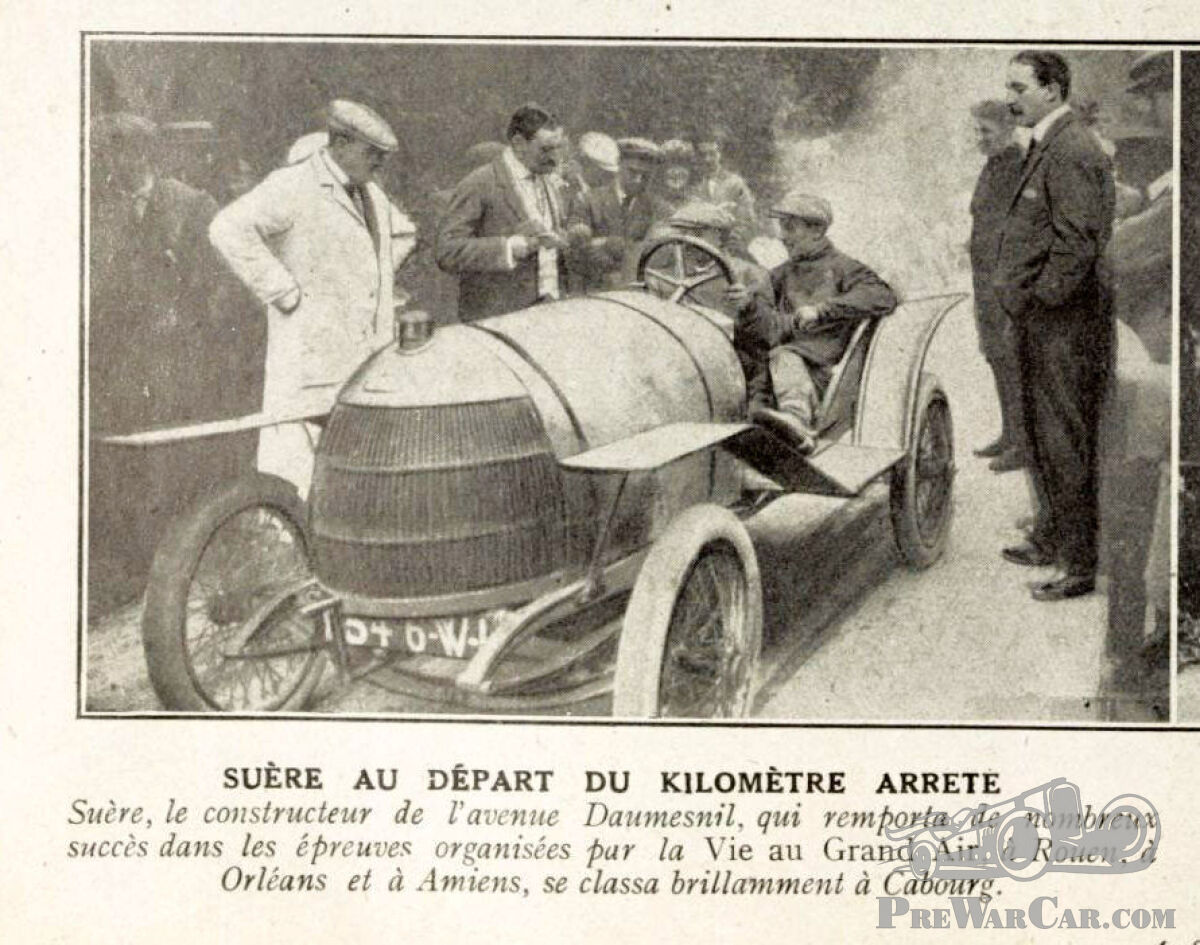
This impressive racer is a circa 1914 Suère. Not much is known of its history, but the uploaded photo shows a similar racer in a 1914 competition at the Meeting of Cabourg (source: La Vie au Grand Air). That car has a trading plate, but I have some other photos in my archive indicating that the license plate on the mystery car is 6634-X, which was issued in 1917. This seems a bit late, but possibly the car was acquired by the man whose name was attached to these photos, André Morel.
Lees verder
The second one is of an even more serious nature, because the ‘better’ picture seems to be an AI enhancement. That should have been mentioned, so why isn’t it? Comparing the old picture with the ‘better’ one is confusing if not devastative for the original. The most intriguing difference is the appearance of ?louvres on the bonnet side. Where do they come from? No sign of these on the original pictures! Apart from this many other details are brushed away, or made up. Spokes are supposed to be straight, but have changed into a kind of spaghetti mass; the exit location of the tube coming out of the bonnet is altered and the spherical button of one of the levers has been changed into something amorphic. The first 6 of the license number, still vaguely distinguishable on the original, has completely disappeared on the enhanced image. Also a round emblem appears on top of the radiator shell, where in fact an oval emblem is present. It even gives the impression of text and moreover the location clearly is not in the centre. So my second warning is: do not use AI to enhance old, detoriated photographs. If the results are mixed up with the originals, we (i.e. we historians!) are lost.