Het wereldwijde magazine en verkoopplatform voor liefhebbers van klassieke auto’s, door liefhebbers.
Het wereldwijde magazine en verkoopplatform voor liefhebbers van klassieke auto’s, door liefhebbers.


Filter
Maak een keuze
- Auto's
-
Merk >>
-
Bouwjaar >>
-
-
Categorie >>
- Motorfietsen
- Onderdelen
-
Automerk >>
-
Fabrikant >>
-
Categorie >>
- Fietsen
-
Bouwjaar >>
-
Landen


Matt Coles: De toekomst van vooroorlogse auto's
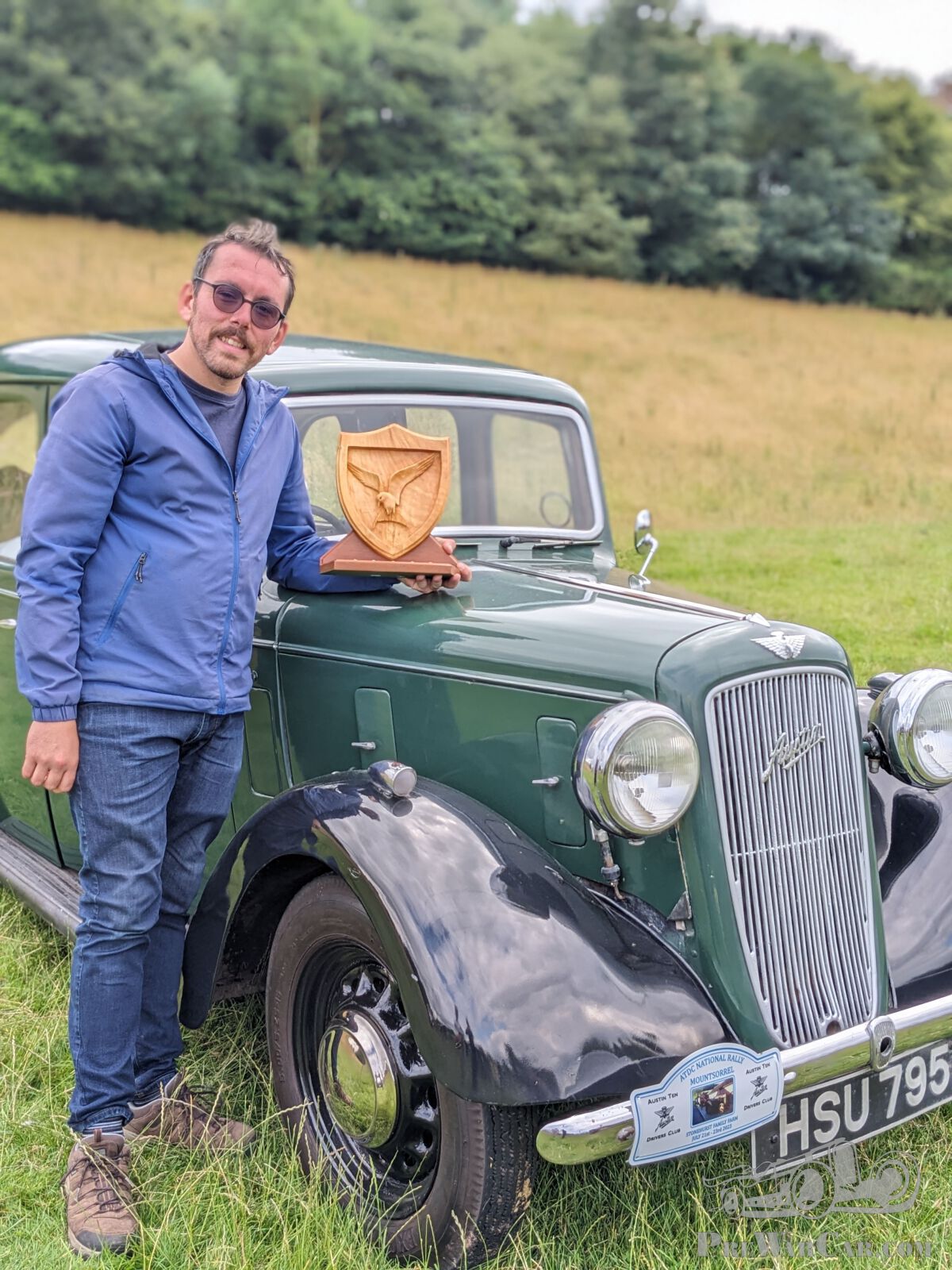

De vraag hoe we als liefhebbers jong bloed voor onze hobby kunnen aantrekken, is er een die telkens weer gesteld wordt. In de discussie hierover is het misschien wel het nuttigst om het van jonge enthousiastelingen zelf te horen. Daarom stellen we u graag Matt Coles voor, publiciteitsmedewerker van de Austin Ten Drivers' Club, die ons zijn mening over deze kwestie heeft gegeven.
Als 30-jarige behoor ik tot de jongere vooroorlogse autobezitters. Als je de laatste tijd naar autoshows bent geweest, zul je gemerkt hebben dat de jongere generatie gaat voor dingen die sommigen nog steeds als modern zouden beschouwen, zoals hot hatches uit de jaren tachtig, negentig of zelfs tweeduizend. Hoe lossen we dit op, hoe moedigen we de volgende generatie van vooroorlogse autobezitters aan voordat het enthousiasme en de vaardigheden om deze auto's op de weg te houden volledig uitsterven?
Eén probleem is de herkenbaarheid. De meeste mensen die een vooroorlogse auto bezitten, doen dat omdat een naast familielid er een bezat of omdat ze er misschien zelf een hadden als 'old banger' toen ze voor het eerst hun rijexamen haalden. Ouders die er een bezaten of er een bezaten toen het nog een 25 jaar oude banger was, verouderen de huidige eigenaars van deze auto's een beetje - ik laat u de rekensom maken!
Er zijn clubs, groepen en initiatieven die het bezit van vooroorlogse voertuigen proberen aan te moedigen, zoals de Vintage Sports-Car Club, de StarterMotor Group en het Classic Car Loan Project. Ze hebben allemaal hun verdiensten, maar er zijn nog wel wat problemen die overwonnen moeten worden.
De VSCC is geweldig om jongeren warm te maken voor oudere auto's - ze lijken veel plezier te beleven aan het deelnemen aan rally's, enzovoort, en plezier hebben is de sleutel tot het aanmoedigen van jonger bezit. Maar wat te denken van de meer 'gewone' auto's, zonder racestamboom, zoals de Austin Ten Cambridge uit 1938 die ik bezit. Hoe stimuleren we het bezit van deze voertuigen?
De StarterMotor Group en het Classic Car Loan Scheme verdienen lof voor hun inspanningen; ze doen enorm hun best om de toekomst van onze ouder wordende voertuigen veilig te stellen. Het probleem dat ik hier voorzie is dat we op een punt komen dat het aantal mensen dat niet langer in staat is om onze hobby uit te oefenen vanwege leeftijd of ziekte, of die er misschien niet eens meer zijn om deel te nemen, veel groter is dan het aantal mensen dat in de hobby stapt. Nogmaals, de inspanningen van deze organisaties zijn prijzenswaardig, maar er is maar zoveel dat ze kunnen doen. Wat gebeurt er dan met de voertuigen die geen beheerder meer hebben?
Een andere kwestie is natuurlijk de stijgende kosten van levensonderhoud in combinatie met het praktische nut van een vooroorlogs voertuig. Er zullen natuurlijk mensen zijn die hun auto elke dag gebruiken, maar over het algemeen zijn deze auto's bedoeld voor hoogtijdagen en vakanties. Aan de andere kant zou iets uit een naoorlogse garage, een klassieker uit de jaren 50 of 60, gebruikt kunnen worden voor het dagelijkse woon-werkverkeer en redelijk goed mee kunnen komen met het moderne verkeer en een ritje over de snelweg kunnen verdragen. Het zou moeilijk zijn voor iemand die huur en rekeningen betaalt en spaart voor een hypotheek voor een eigen huis, om de kosten te rechtvaardigen van een tweede auto die alleen in het weekend wordt gebruikt.
Dus wat is de oplossing? Is er één? Vanuit mijn eigen ervaring is er enige hoop. Ik ben, net als een paar van mijn vrienden, begonnen met een naoorlogse auto en anekdotisch gezien lijkt het erop dat degenen die hebben geproefd van dit tijdperk van autorijden, vervolgens iets ouder willen proberen. Dat zijn de mensen die we moeten aanmoedigen en verleiden om de wereld van de vooroorlogse auto te ontdekken. Mijn aanbeveling is dat vooroorlogse clubs hun evenementen openstellen voor mensen met naoorlogse auto's en hen uitnodigen om iets ouder te ervaren, om te zien of dit hun interesse wekt. Laat deze naoorlogse eigenaren in je auto zitten en misschien zelfs een stukje rijden (als de verzekering dat toelaat) - ze zijn al bekend met oudere auto's en weten hoe ze behandeld moeten worden. Als je één persoon het vooroorlogse autovirus bijbrengt, is dat één persoon meer die misschien een voertuig koopt dat anders in een garage zou wegkwijnen tot het alleen nog geschikt is voor de schroothoop.
Als onderdeel van mijn werk in het comité van de Austin Ten Drivers' Club werk ik aan het aanmoedigen van jongere leden in onze hobby en club. Als je ideeën en suggesties hebt over hoe we dit kunnen doen, of als je een vertegenwoordiger bent van een andere vooroorlogse autoclub die dit onderwerp verder wil bespreken en misschien wil helpen aanpakken, neem dan contact met me op via [email protected]
Gepubliceerd:
maandag maart 4th, 2024
Facebook
LinkedIn
Twitter
WhatsApp
Email
Copy
Reacties
Chris Pickering
11 Maart 2024, 13:38
Keith K.
10 Maart 2024, 19:47
I agree wholeheartedly with Jarod and Sjoerd. I have three Edwardian motor cars and hope my grandchildren will cherish them. I give rides to others every chance I can, in hopes a seed will be planted, or a memory of some old geezer in an ancient car that gave a child a ride. Prices have gone nuts, in my opinion. I sure can't afford some I'd like to have, but then again, where to put another car?! What concerns me much more though is more and more regulation against ancient motor cars and vehicles. I fear it will get to the point where anybody driving one will be labelled. Even car museums are hurting, maybe due to lack of interest, and maybe because cars are getting to be "politically incorrect". Then add in the possibiilty of not being able to get correct fuel. Alcohol additives are a big problem. On one drive, when that was all that was available, my 1912 car vapour-locked in the middle of a busy intersection, closing down the road in four directions for a few minutes. I needed help pushing it out of the way. I have never been cursed at with so many filthy words by so many in my life! On the other hand, when things run well, it's always thumbs up! Anyway, time will tell. But in the meantime, share, give rides, let a child sit in your car, toot the horn, take a photo.
Lees verder
Sjoerd van de Wal
05 Maart 2024, 09:34
Interesting thought, however, one thing that’s briefly mentioned in the article are the costs. I often hear older owners talking about the “greying” of the hobby and young people not interested. Could it be that these same owners have a significant influence on this issue?
They bought there cars in a much cheaper age, lovingly maintained and/or restored them and enjoyed them. We come at a moment in time they are not able to drive and maintain there cars anymore and decide to sell them.
When you look at adverts you see prices that are too high nowadays to be afforded by young people at the start of there career, starting families and buying a house. Of course you want a good price for your beloved car, but if you worry about young people not being able to continue maintaining and owning these cars, why wouldn’t you get more realistic and adjust the price to make it an interesting option and above all, affordable and a justified expense. You’ve had your fun, you’ve bought the car significantly cheaper and isn’t it a nice thought that your car is still being enjoyed by a new generation that can bring the love to yet another generation?
I’m one of those people that entered the hobby in his late 20s. and am lucky to own two pre-1945 cars and enjoy these with the family. I bought my Morris Eight for a good price and restored it in the past few years. My kids (eight and ten) witnessed the process and enjoy the drives very much; already there are memories created for the rest of their life.
Maybe a little seed is already planted for there future classic car ownership, who knows, but all thanks to a former owner that granted me his project (and my first) for a reasonable price.
Give it a thought, it might be a part of the future of our great hobby.
Lees verder
They bought there cars in a much cheaper age, lovingly maintained and/or restored them and enjoyed them. We come at a moment in time they are not able to drive and maintain there cars anymore and decide to sell them.
When you look at adverts you see prices that are too high nowadays to be afforded by young people at the start of there career, starting families and buying a house. Of course you want a good price for your beloved car, but if you worry about young people not being able to continue maintaining and owning these cars, why wouldn’t you get more realistic and adjust the price to make it an interesting option and above all, affordable and a justified expense. You’ve had your fun, you’ve bought the car significantly cheaper and isn’t it a nice thought that your car is still being enjoyed by a new generation that can bring the love to yet another generation?
I’m one of those people that entered the hobby in his late 20s. and am lucky to own two pre-1945 cars and enjoy these with the family. I bought my Morris Eight for a good price and restored it in the past few years. My kids (eight and ten) witnessed the process and enjoy the drives very much; already there are memories created for the rest of their life.
Maybe a little seed is already planted for there future classic car ownership, who knows, but all thanks to a former owner that granted me his project (and my first) for a reasonable price.
Give it a thought, it might be a part of the future of our great hobby.
Jarrod
04 Maart 2024, 12:09
As a younger enthusiast of prewar vehicles (although not yet an owner), I appreciate the acknowledgment of this issue. While I'm not overly optimistic about finding a definitive "solution," I believe the hobby won't completely fade away. Instead, it's crucial for enthusiasts to recognize that the community will continue to dwindle, and the value of these classic cars may decline.
However, I see a silver lining in this situation. As vehicle prices drop, ownership becomes more attainable for a broader range of enthusiasts, potentially attracting a new generation to the hobby. This phenomenon isn't unfamiliar to me; having worked with antiques, I've witnessed a similar trend. Older collectors and dealers often lamented decreasing values without considering the positive outcome: accessibility to a new demographic of enthusiasts.
Personally, as someone who dreams of owning an early motor car but currently cannot afford it, the prospect of falling prices is encouraging. It presents an opportunity for me and others in similar situations to eventually acquire our desired vehicles. While this shift may be bittersweet for current owners, I believe it's a blessing in disguise that will sustain the hobby in the long run.
Lees verder
However, I see a silver lining in this situation. As vehicle prices drop, ownership becomes more attainable for a broader range of enthusiasts, potentially attracting a new generation to the hobby. This phenomenon isn't unfamiliar to me; having worked with antiques, I've witnessed a similar trend. Older collectors and dealers often lamented decreasing values without considering the positive outcome: accessibility to a new demographic of enthusiasts.
Personally, as someone who dreams of owning an early motor car but currently cannot afford it, the prospect of falling prices is encouraging. It presents an opportunity for me and others in similar situations to eventually acquire our desired vehicles. While this shift may be bittersweet for current owners, I believe it's a blessing in disguise that will sustain the hobby in the long run.
Granted, competition cars have an inherent advantage here, but I think anything that shows these cars as living, breathing machines rather than static exhibits helps. It's about getting the chance to sit in a car, have a ride in one or at least watch them drive past on the road. It's not reasonable to expect any kid to get into cars by looking at them from the other side of the cordon at a museum or a car show.
Once that spark is ignited, it's about making vintage car ownership more attainable. Prices seem to be coming down, and I think this can only be a good thing for younger people looking to get into old cars. Perhaps we also need to be a little less precious with them. Our grandparents' generation would buy an Austin Seven for £10 and teach themselves to look after it; if something went wrong with that DIY maintenance they'd buy a replacement engine or gearbox for £5 and chalk it down to experience. These days, the cars are expensive assets, so novice mechanics are understandably a bit wary about damaging them. And it can get very expensive very quickly if you're paying someone else to do the work.
We need to be aware that soon a lot of young drivers might not have any experience of combustion engines or manual gearboxes, let alone cable brakes or Autovac systems. We need a massive push on basic skills, and we need to acknowledge that it's totally unreasonable to expect kids coming through today to acquire these skills in their day-to-day lives. If we want future generations to know how to adjust a carburetter or what the difference is between coil and magneto ignition, we need to make an effort to pass that knowledge on.
Lastly, it needs to be sociable. I finally took the plunge on vintage cars after meeting some people who were closer to my own age (in fact, quite a bit younger than I am...) who were already involved. Social media is a powerful tool here too. We need young enthusiasts to show that they're going out, having fun and actively using these cars. There are a handful of people like Jonas Lach of Jonny's Garage and Ben and Al of Selecting Neutral who are already doing this and I think it helps to make the hobby more relatable.