Het wereldwijde magazine en verkoopplatform voor liefhebbers van klassieke auto’s, door liefhebbers.
Het wereldwijde magazine en verkoopplatform voor liefhebbers van klassieke auto’s, door liefhebbers.


Filter
Maak een keuze
- Auto's
-
Merk >>
-
Bouwjaar >>
-
-
Categorie >>
- Motorfietsen
- Onderdelen
-
Automerk >>
-
Fabrikant >>
-
Categorie >>
- Fietsen
-
Bouwjaar >>
-
Landen


Herinnering aan Dorothy Levitt


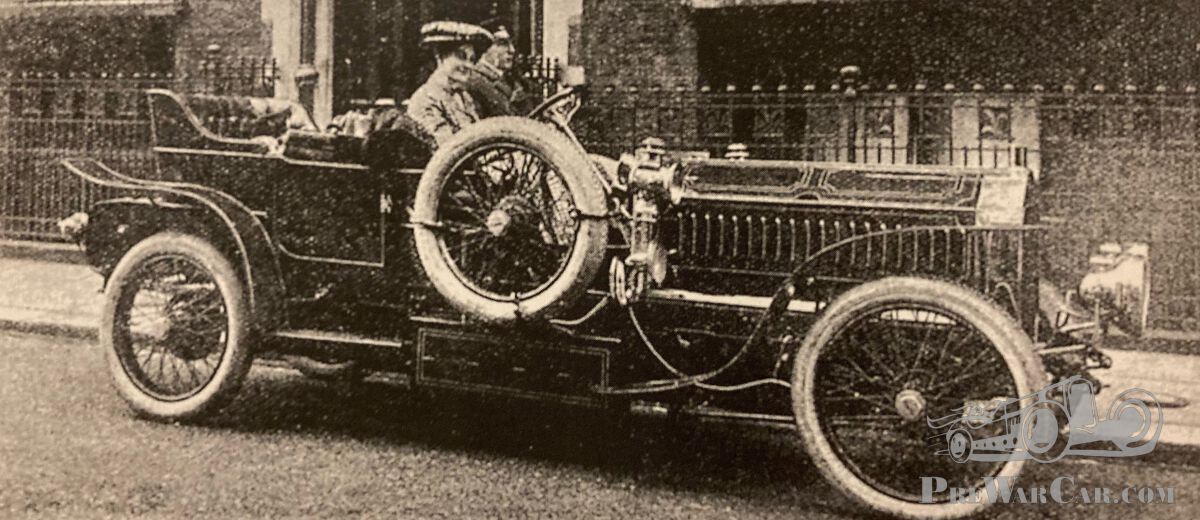


Naar aanleiding van ons verhaal van maandag over het nieuwe Levitt Concours voor vrouwelijke automobilisten, dat volgende maand in Hampton Court Palace wordt gehouden, dachten we eraan onze aandacht te vestigen op Dorothy Levitt, naar wie het concours is genoemd. Van alle pionierende vrouwelijke automobilisten uit het begin van de 20e eeuw was zij een van de stoutmoedigste en avontuurlijkste, met vele 'primeurs' voor een vrouw in die tijd.
Ze werd geboren in 1882 en was een jonge vrouw van 20 toen ze in 1902 leerde autorijden door toedoen van S.F. Edge. Hij zou een prominente en bekende figuur in de autowereld worden, over wie dit najaar een nieuwe biografie van Simon Fisher verschijnt bij Evro. Edge was 15 jaar ouder dan Levitt en het klikte duidelijk tussen hen, hoewel de precieze aard van hun relatie moeilijk te achterhalen is ― hij vond deze onverschrokken jonge vrouw in ieder geval een zeer nuttig marketinginstrument, en voor haar was hier een man die bereid was haar in staat te stellen haar pas ontdekte liefde voor snelheid na te jagen.
Levitts eerste avontuur in de autosport was in mei 1903, toen ze pas 21 was. Levitt was ingeschreven voor de tweedaagse 400 mijl van Glasgow naar Londen in een 12pk Gladiator auto, waarvan Edge de Britse agent was. Een krantenbericht geeft een indruk van Miss Levitts houding tegenover snelheid en de wet: 'Terwijl ze een steile heuvel opreed... sprongen drie politieagenten in burger, vermomd als zwervers, van achter een heg en probeerden de auto te stoppen, 'maar' zei Miss Levitt, 'we reden 37 mijl per uur, scheurden vlak langs hen heen en verdwenen snel uit hun zicht'. Dit was niet haar eerste aanvaring met de politie, en het zou zeker niet haar laatste zijn.
Edge was tegen die tijd betrokken bij Napier en was eigenaar van een door Napier aangedreven speedboot van 40 voet met de naam Napier; al snel deed Levitt daar ook aan mee. In juli 1903 won de boot, bestuurd door Levitt, de inaugurele British International Harmsworth Trophy, gehouden voor speedboten op de rivier de Lee in County Cork, Ierland. Bij een andere gelegenheid, tijdens een race in Cowes op het Isle of Wight, zeilde een schip uit Southampton vlak voor haar pad langs. Dorothy had de keuze: ofwel proberen te stoppen voordat ze tegen de boot botste, ofwel gas geven en er tussenuit knijpen. Ze koos voor het laatste en haalde het maar net met nog centimeters te gaan. Veel mensen waren getuige van het incident, waaronder koning Edward VII, die zo onder de indruk was van de jongedame dat hij haar na afloop wilde ontmoeten.
En zo gingen de snelle avonturen van Dorothy Levitt door in enkele van de spannendste jaren van de 20e eeuw. Dit jaar is het honderd jaar geleden dat ze op slechts 40-jarige leeftijd overleed aan een overdosis drugs in 1922. Er is nooit een sluitend oordeel over zelfmoord geveld, maar de laatste jaren van haar leven werden geteisterd door financiële problemen. Levitts fascinerende levensverhaal is nu zo gedetailleerd mogelijk verteld in een nieuw boek van Michael Barton, Fast Lady: The Extraordinary Adventures of Miss Dorothy Levitt. Het boek wordt gelanceerd op zaterdag 3 september, dezelfde dag als het nieuwe Levitt Concours in Hampton Court Palace dat naar haar vernoemd is. Het boek is boeiend en vermakelijk om te lezen en is geïllustreerd met enkele aangrijpende foto's uit die tijd. Het mysterie van haar dood wordt er misschien niet mee opgelost, maar het werpt wel een licht op deze belangrijke en baanbrekende figuur uit de vroege autowereld ― een inspiratie voor ons allemaal.
Gepubliceerd:
vrijdag augustus 26th, 2022
Facebook
LinkedIn
Twitter
WhatsApp
Email
Copy
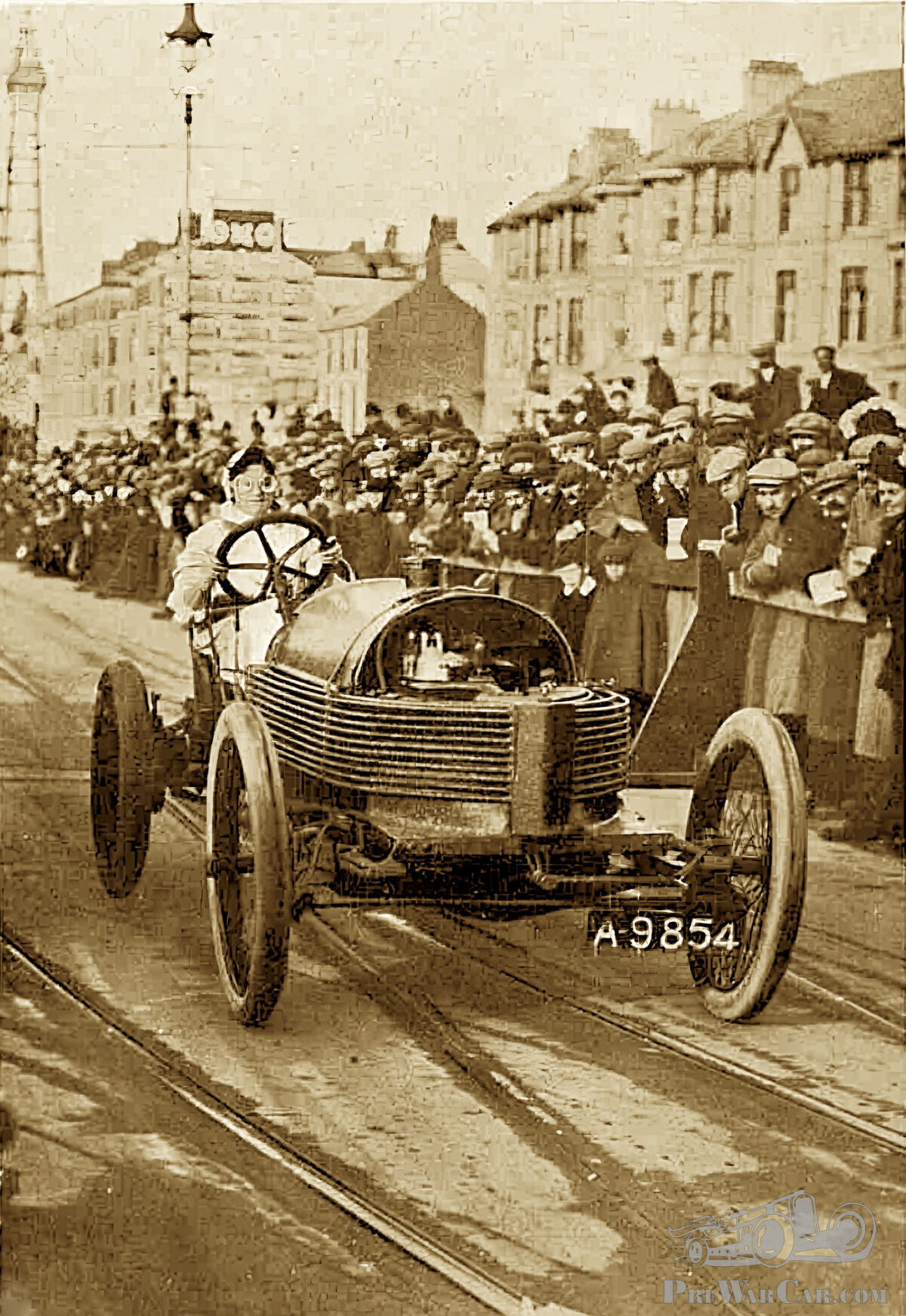
Already recognised as holding an outright water speed record in a Napier motor boat, she also previously set the World Land Speed Record for women during the Brighton Speed Trials of 1905 when she ran another Napier car at 79.75 mph. At the Blackpool Speed Trials in England, however, she smashed her own record with a timed run for the flying kilometre of 90.88 mph driving the Napier L48 on two runs along the Blackpool waterfront.
One newspaper reported: “Miss Levitt has had plenty of narrow escapes. At Blackpool… during the speed trials, two dogs, three children and finally three more dogs came onto the track and tried to cross over. Miss Levitt spoiled her trials but managed with splendid work to save the children. History does not tell what happened to the dogs.”
The story of her other lucky escape at Blackpool driving the Napier L48 also made headlines. She took off from a standing start, reaching 96 mph when the front part of the bonnet came away (it was reported that a strap broke) and the wind got under it and threw it back toward her. She brake slowly at first and then as hard a she could as it looked like the bonnet could decapitate her. She managed to stop just as the last screw came away.
When asked what she felt racing the Napier L48 at that speed she said: “Wonderful. One can hardly describe one’s sensations. There is a feeling of flying through space. I never think of the danger. That sort of thing won’t do. But I know it is omnipresent.The slightest touch of the hand and the car swerves, and swerves are usually fatal. But I am a good gambler and always willing to take the chance. In going that pace the hardest thing is to keep in the car. Half the time the wheels do not touch the ground at all, and when they do you must be prepared to take the shocking lurch or else out you will go. It is far harder work to sit in a car than to ride a galloping horse in a steeplechase. When I made the records I was in the car alone. I prefer it.”
After Blackpool in 1906, she announced to the American press that she wished to race an American to cement the title: “I am willing to race here (in the United Kingdom) or at Ormond Beach, Fla., or elsewhere in the United States. I am wild to race an American woman for the world’s championship. I must look to America to race. There is no one left in Europe with whom to compete,” she said. Dorothy Levitt never made it to Florida but she remains one of the greats of the heroic era of motor racing.
The Napier L48 which Dorothy Levitt drove to become the fastest woman in the world was commissioned by SF Edge and Montagu Napier to break speed records and to create a new category of motor car using six cylinder engines. The world-beating 915 cubic inch (15 litres) motor was placed into a chassis with an overall weight of less than 1000kg (2,204lbs) to meet current European motor racing regulations
Dorothy Levitt was not lacking in confidence to beat all comers in the USA. If she had taken the Napier L48 to Florida it would have been the third time that the first car timed at more than 100 mph on American soil had raced on the Daytona and Ormond beaches. In 1905, Arthur Macdonald, set a new speed record of 91.371mph over five miles on the beaches, then over the course of the week set a world’s record of 104.651 mph over the mile as well as 5, 10 and 20 mile speed records, and a new American record for a flying kilometre at 97.258 mph.
In 1906, however, the Napier L48 with Clifford-Earp at the wheel the car set a world record time of 1:15:40-2/5sec or 79.288 mph for 100 miles.
The revolutionary six cylinder engine from this winning Napier was installed in a new chassis in the 1970s in Australia and the resulting car will be back on the sands of Ormond and Daytona beaches for the first time in February 2024 to remember some of the greatest races in the history of auto racing. It will later be offered for sale at the Bonhams Auction, Fernandina Beach on 29 February 2024.