Het wereldwijde magazine en verkoopplatform voor liefhebbers van klassieke auto’s, door liefhebbers.
Het wereldwijde magazine en verkoopplatform voor liefhebbers van klassieke auto’s, door liefhebbers.


Filter
Maak een keuze
- Auto's
-
Merk >>
-
Bouwjaar >>
-
-
Categorie >>
- Motorfietsen
- Onderdelen
-
Automerk >>
-
Fabrikant >>
-
Categorie >>
- Fietsen
-
Bouwjaar >>
-
Landen


Mystery Wire Wheels on a 1908 Mercedes
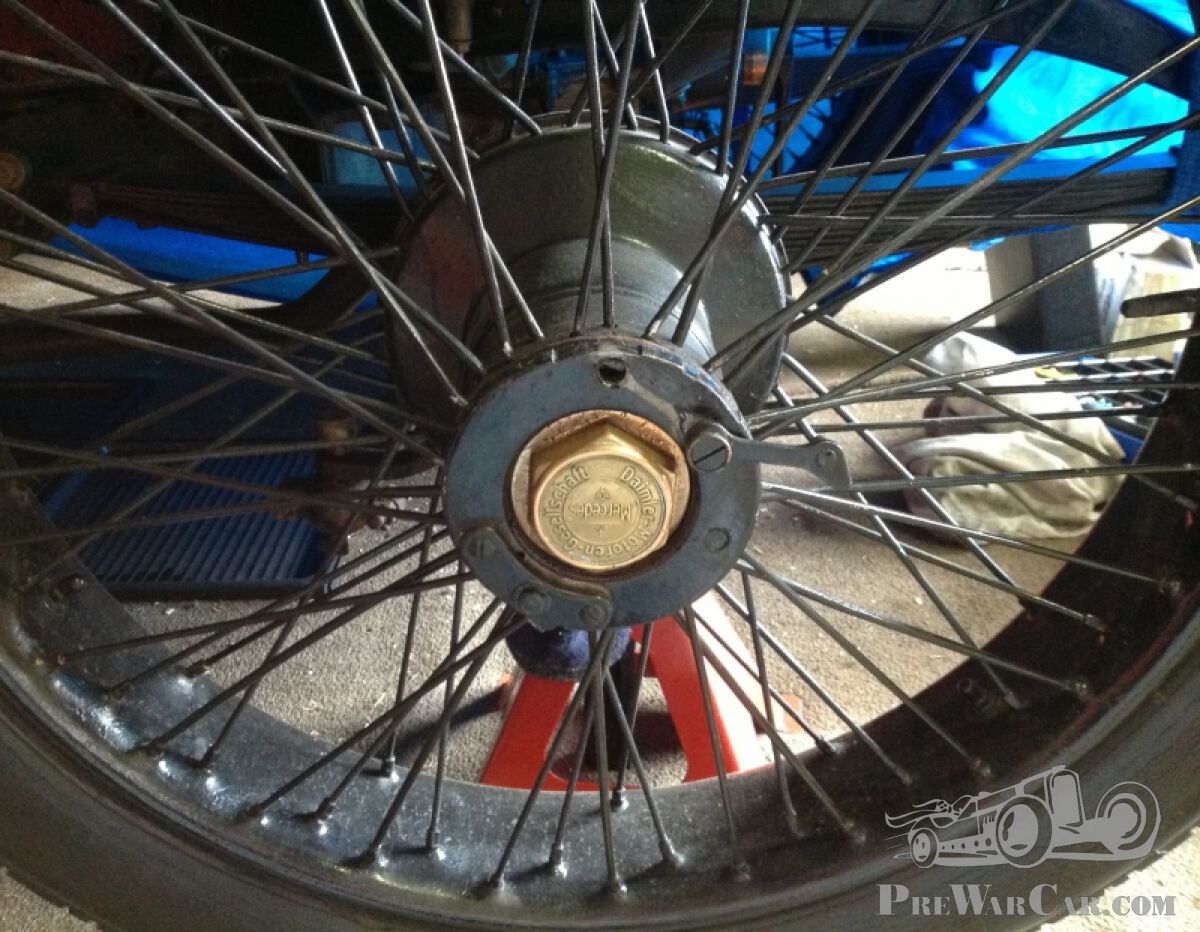

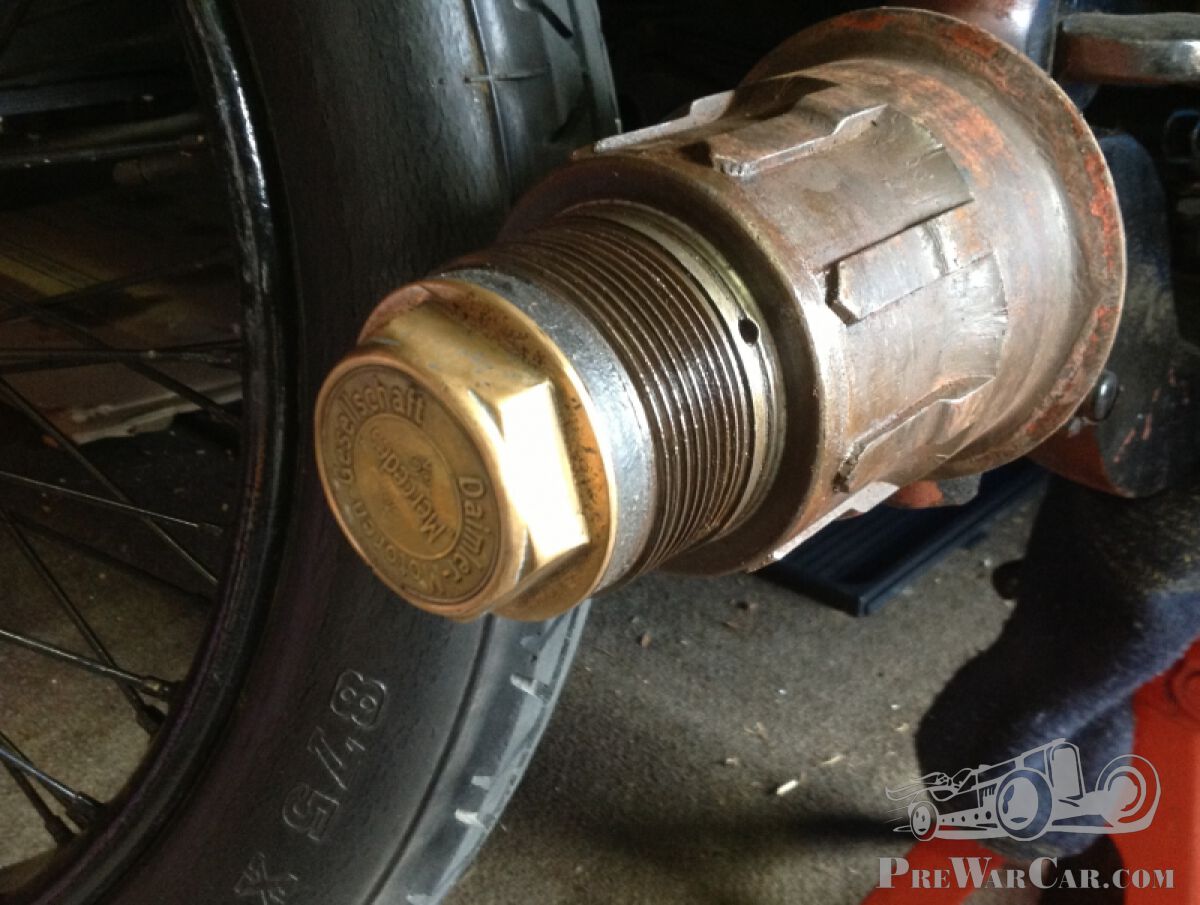
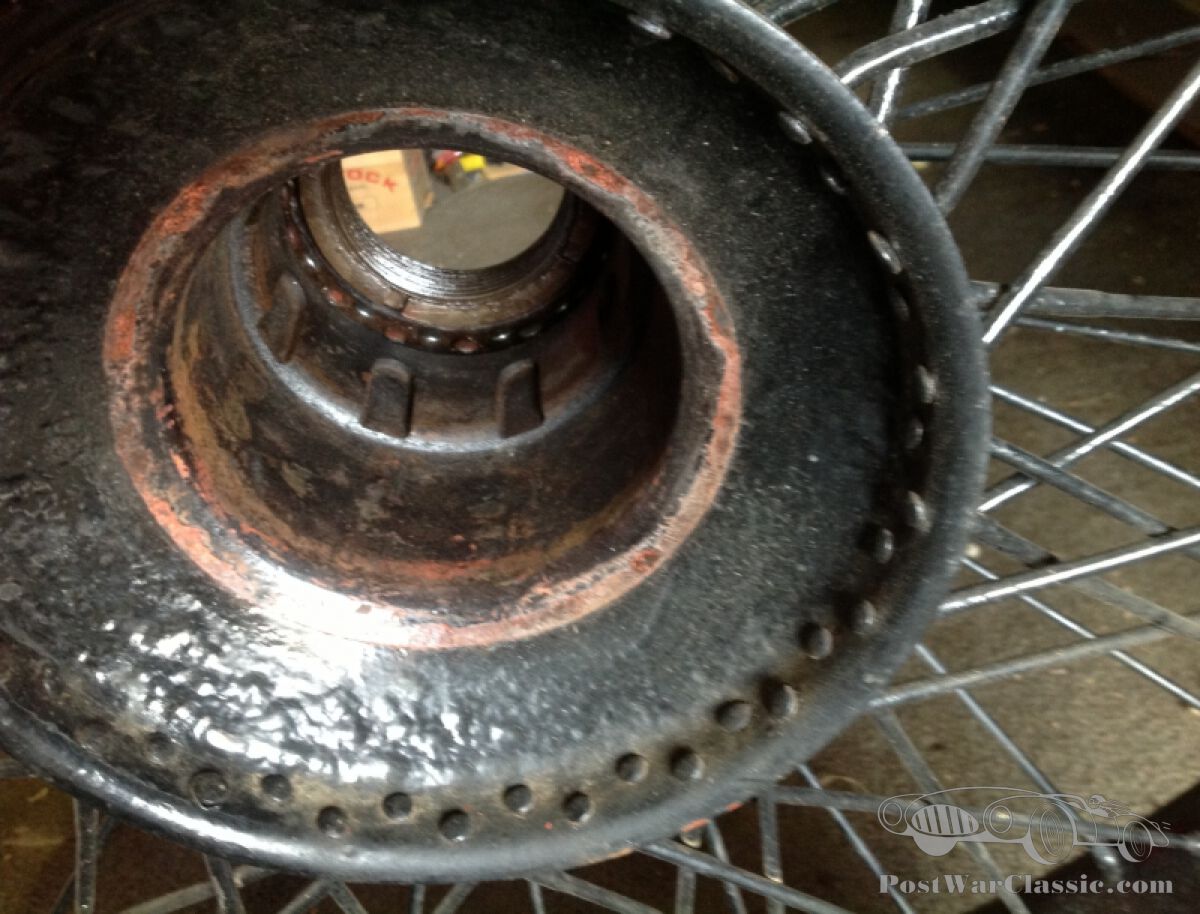
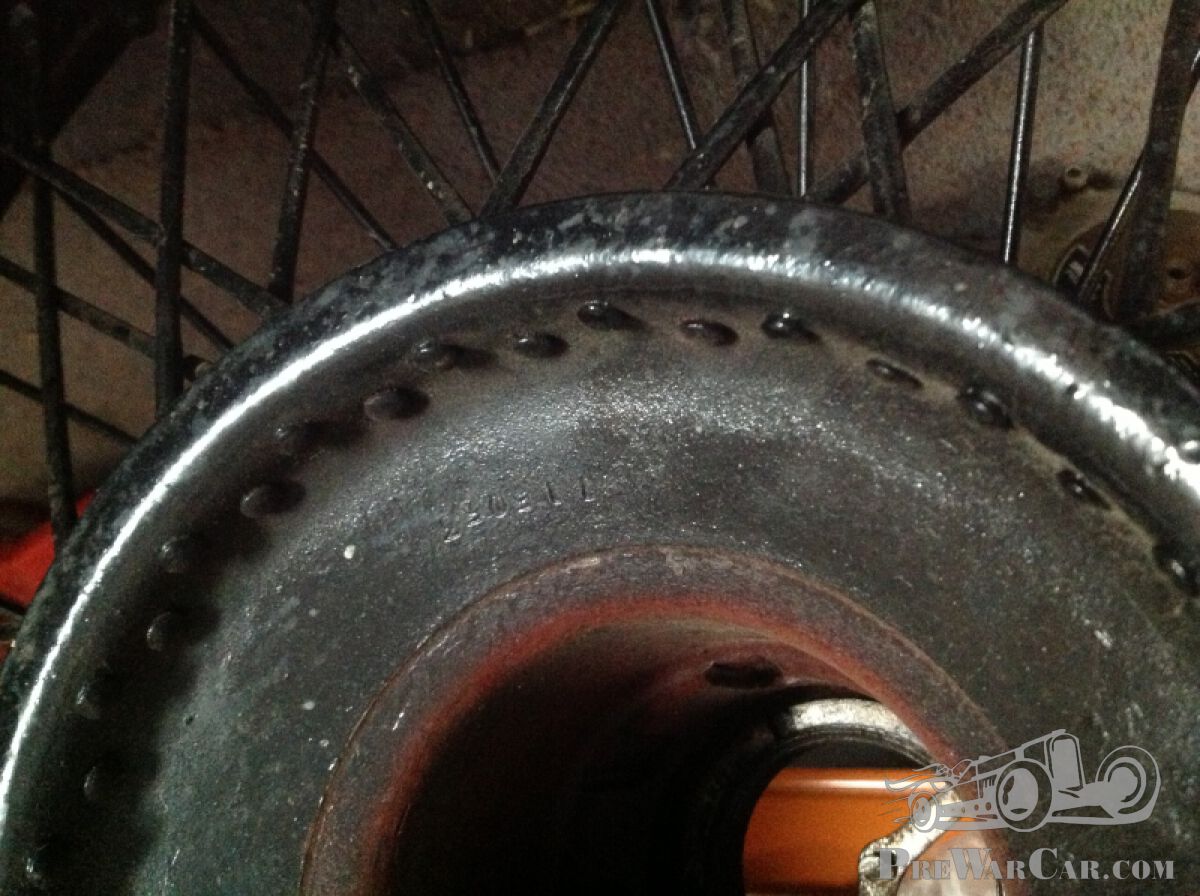
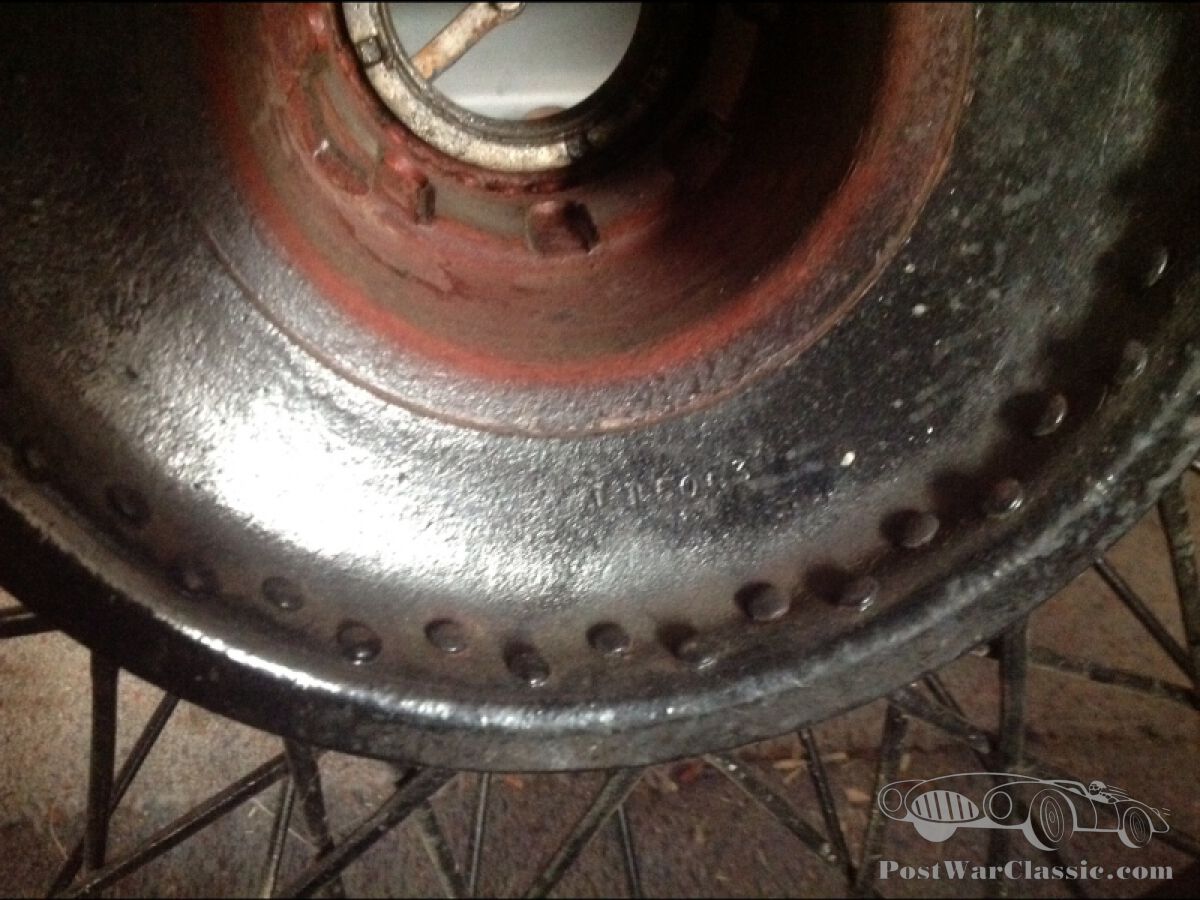
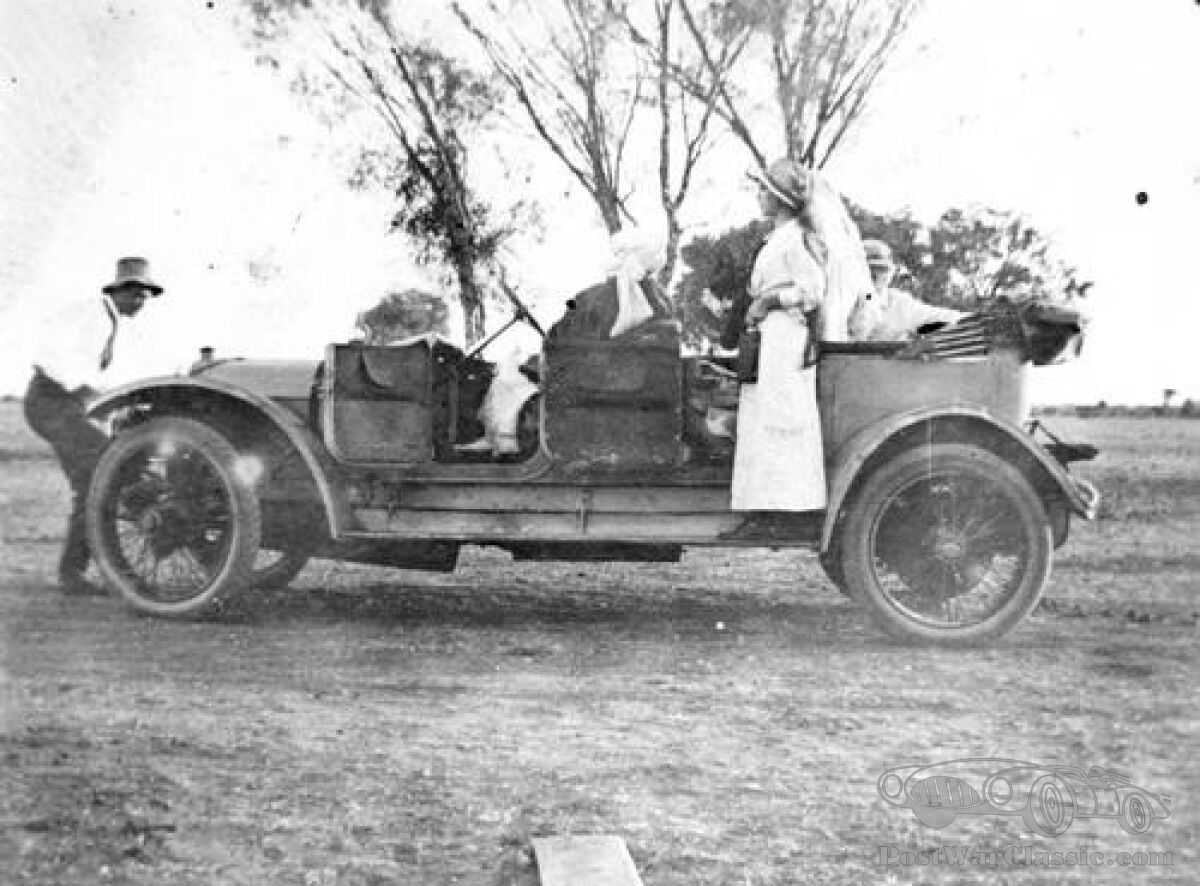


Harry Hickling of Australia is puzzled by the wire wheels on this 1914 Mercedes Simplex 35 HP (engine #2662 ; commission number #6595/1125): "The wire wheels and hubs are at least 100 years old and have been on this 1908 Mercedes from at least 1914. The wheel centres have serial numbers 115049, 115050, etc.
The hubs and wheels do not use splines! (editor: well, it looks like a simpler 'pre-splines' set-up plus the centre safety-locks which are very similar to what was used by Renault of that era; Riley had similar as well)
Can anyone shed light on the history of these wheels? Or on the coachwork that may have been made in France, England or Australia. The Mercedes left Daimler Motoren Gesellschaft as a chassis and was in Australia by 1914 with the elaborate double phaeton coachwork on a 3.4 metres track; length of body 4.5 metres."
Gepubliceerd:
maandag november 11th, 2013
Facebook
LinkedIn
Twitter
WhatsApp
Email
Copy
Reacties
Onbekend
10 Maart 2017, 10:57
Onbekend
21 November 2013, 22:13
Hi Tim, I have reactivated my add for Mercedes parts which will give you my contact details.
It would be fascinating to hear more about the 10/20.
I have had a Mercedes friend of mine confirm that DMG were fitting Rudge Whitworth wheels by at least 1912 on request. And a Rolls Royce owner has estimated that the wire wheels on my car were fitted by 1912 based on the serial numbers on the wire wheels.
Your 10/20 connection with Milnes Daimler is interesting and the fitment of the wire wheels. Although my car was commissioned for DuCros, the Mercedes distributor was Milnes Daimler by the time the car was shipped in 1909. It provides an interesting possible connection to the wire wheels.
It also might help to date the great Barker style body, that seems around the 1910 era with its four seater torpedo body.
Overall though still looks like the wheels and body were fitted post 1909. the wheels as a retro fit from the timber wheels that would have been on the chassis when it left DMG.
Hopefully make contact soon.
Harry
Lees verder
It would be fascinating to hear more about the 10/20.
I have had a Mercedes friend of mine confirm that DMG were fitting Rudge Whitworth wheels by at least 1912 on request. And a Rolls Royce owner has estimated that the wire wheels on my car were fitted by 1912 based on the serial numbers on the wire wheels.
Your 10/20 connection with Milnes Daimler is interesting and the fitment of the wire wheels. Although my car was commissioned for DuCros, the Mercedes distributor was Milnes Daimler by the time the car was shipped in 1909. It provides an interesting possible connection to the wire wheels.
It also might help to date the great Barker style body, that seems around the 1910 era with its four seater torpedo body.
Overall though still looks like the wheels and body were fitted post 1909. the wheels as a retro fit from the timber wheels that would have been on the chassis when it left DMG.
Hopefully make contact soon.
Harry
Onbekend
19 November 2013, 06:37
Hi Harry, I believe my Grandfathers 1910, 10/20 has the exact same wheels and hubs,
His car was bodied by Milnes-Daimler in the UK, This is one of the features of his car compared to the usual 10/20..
I have desperately tried to find some contact information for you but this website seems to have issues with passing on contact details.......
editor: why don't you give him your telephone number
Lees verder
His car was bodied by Milnes-Daimler in the UK, This is one of the features of his car compared to the usual 10/20..
I have desperately tried to find some contact information for you but this website seems to have issues with passing on contact details.......
editor: why don't you give him your telephone number
Onbekend
19 November 2013, 03:06
Got this type on the 1914 Peugeot 153A, though they are the type 3. Those big splines do wear though, and can be pesky to fix.....welding and a long hand file! Plus lots of time in the garage....
Lees verder
Onbekend
15 November 2013, 08:18
It is indeed. PtoP twice, Nth Africa and down the East Coast of Africa in a 1937 MG SA with my lovely wife Cathy. And great friends like Matthew Bryson and Gerry Crown in the PtoP winning Leyland P76.
Lees verder
Onbekend
14 November 2013, 11:32
Is this the Harry Hickling who drove an M.G. SA from Peking to Paris?
Lees verder
Onbekend
12 November 2013, 11:15
Hi All, is there anyway that the hubs and wheels could be 1909? If so then there is possibilty that the car was bodied in England and fitted with these hubs and wheels prior to being shipped to Australia!
The body seems to me to be post 1909, but certainly to the best I can tell, looks like a Barker body or similar. So how did it end up on the car by 1914?
Certainly, English Daimlers had arrived into Australia by 1910 with detachable wire wheels.
The Chassis was exported from DMG to Du Cros in London in early 1909. So is it possible that "The Mercedes was bodied in England and detachable wire wheels fitted at that time, prior to the car being shipping to Australia." ???
If not then it sounds like it would have arrived into Australia, possible used with Timber Wheels and a utiity body (Some suggestion of this), and then bodied and given wire wheels around 1910 in Australia. Perhaps the body was aken off some broken down Rolls Royce!! Just joking!
Harry
Lees verder
The body seems to me to be post 1909, but certainly to the best I can tell, looks like a Barker body or similar. So how did it end up on the car by 1914?
Certainly, English Daimlers had arrived into Australia by 1910 with detachable wire wheels.
The Chassis was exported from DMG to Du Cros in London in early 1909. So is it possible that "The Mercedes was bodied in England and detachable wire wheels fitted at that time, prior to the car being shipping to Australia." ???
If not then it sounds like it would have arrived into Australia, possible used with Timber Wheels and a utiity body (Some suggestion of this), and then bodied and given wire wheels around 1910 in Australia. Perhaps the body was aken off some broken down Rolls Royce!! Just joking!
Harry
Onbekend
12 November 2013, 10:32
Just be careful of the tyres. Even though they look new and the tread is excellent, the sidewalls have perished with age. They just don't last as long as they used too!
Lees verder
Onbekend
12 November 2013, 10:14
Rudge Whitworth took patents out on course and fine splines around the same time.Perhaps the broaching machine manufacturers had a say in which eventually became the more dominant.
Beautiful composition.I'd struggle to find finer. And taken on a half,or full plate camera.
Lees verder
Beautiful composition.I'd struggle to find finer. And taken on a half,or full plate camera.
Onbekend
12 November 2013, 09:45
These are (If I remember correctly)Rudge Whitworth Type 2. Around 1910.
The Type 1 was a "shell" type hub with the same "splines" but a completely different wheel retaining system. The wheel rear wheel centre was integral with the brake drum. The fine spline type were called 1914 pattern. Of course they first appeared in 1914 as 80mm long spline. If anyone is interested I can post photos of the 3 types.
Lees verder
The Type 1 was a "shell" type hub with the same "splines" but a completely different wheel retaining system. The wheel rear wheel centre was integral with the brake drum. The fine spline type were called 1914 pattern. Of course they first appeared in 1914 as 80mm long spline. If anyone is interested I can post photos of the 3 types.
Onbekend
12 November 2013, 08:15
Thank you for your great interest and confirming they are early Rudge Whitworth hubs and wheels.
I believe that DMG provided a retro fit kit to fit wire wheels to the earlier Mercedes? Is it possible that these would have been provided by DMG (i.e. Mercedes)?
Do we know when these early hubs were first introduced?
The Rudge Whitworth double locking hub was released by 1910 I beleive.
A date of their first release would be useful as this would give a good indication of perhaps when the wheels and coachwork were fitted to the car?
Lees verder
I believe that DMG provided a retro fit kit to fit wire wheels to the earlier Mercedes? Is it possible that these would have been provided by DMG (i.e. Mercedes)?
Do we know when these early hubs were first introduced?
The Rudge Whitworth double locking hub was released by 1910 I beleive.
A date of their first release would be useful as this would give a good indication of perhaps when the wheels and coachwork were fitted to the car?
Onbekend
12 November 2013, 02:35
Rudge-Whitworth, as they changed over the years the "driving flutes" became fine splines.
Lees verder
Onbekend
12 November 2013, 02:04
No trick to the hubs. Common-or-garden coarse splined Rudge-Whitworth. Had a set on a 1913 Daimler 45 years ago. Daimler used them in a variety of different sizes. Always struck me as a vastly superior system to those pesky fine splined things.
Lees verder
Craig Little.
12 November 2013, 00:29
Craig Little
I can't help on the hubs, but I am blown away by the fabulous period photograph.
Reminds me of early photos of Australian pioneers and their cars on display at Alice Springs in Central Australia.
Also the folio of photos of the B2 Citroen Crossing of Australia in 1925 youtube. http://www.youtube.com/watch?v=nZZqnF_2JUI
Thanks
Lees verder
I can't help on the hubs, but I am blown away by the fabulous period photograph.
Reminds me of early photos of Australian pioneers and their cars on display at Alice Springs in Central Australia.
Also the folio of photos of the B2 Citroen Crossing of Australia in 1925 youtube. http://www.youtube.com/watch?v=nZZqnF_2JUI
Thanks
Onbekend
12 November 2013, 00:06
Old-boy spline-spotter charges in where Mercede's angels will no doubt also tread fairly-fearlessly....
Rudge-Whitworth 80, pre-WW1 edition ...
Lees verder
Rudge-Whitworth 80, pre-WW1 edition ...
"Rudge Whitworth Detachable Wheels"
The answer was there all along!