Het wereldwijde magazine en verkoopplatform voor liefhebbers van klassieke auto’s, door liefhebbers.
Het wereldwijde magazine en verkoopplatform voor liefhebbers van klassieke auto’s, door liefhebbers.


Filter
Maak een keuze
- Auto's
-
Merk >>
-
Bouwjaar >>
-
-
Categorie >>
- Motorfietsen
- Onderdelen
-
Automerk >>
-
Fabrikant >>
-
Categorie >>
- Fietsen
-
Bouwjaar >>
-
Landen


A long forgotten 1920 Studebaker Light Six
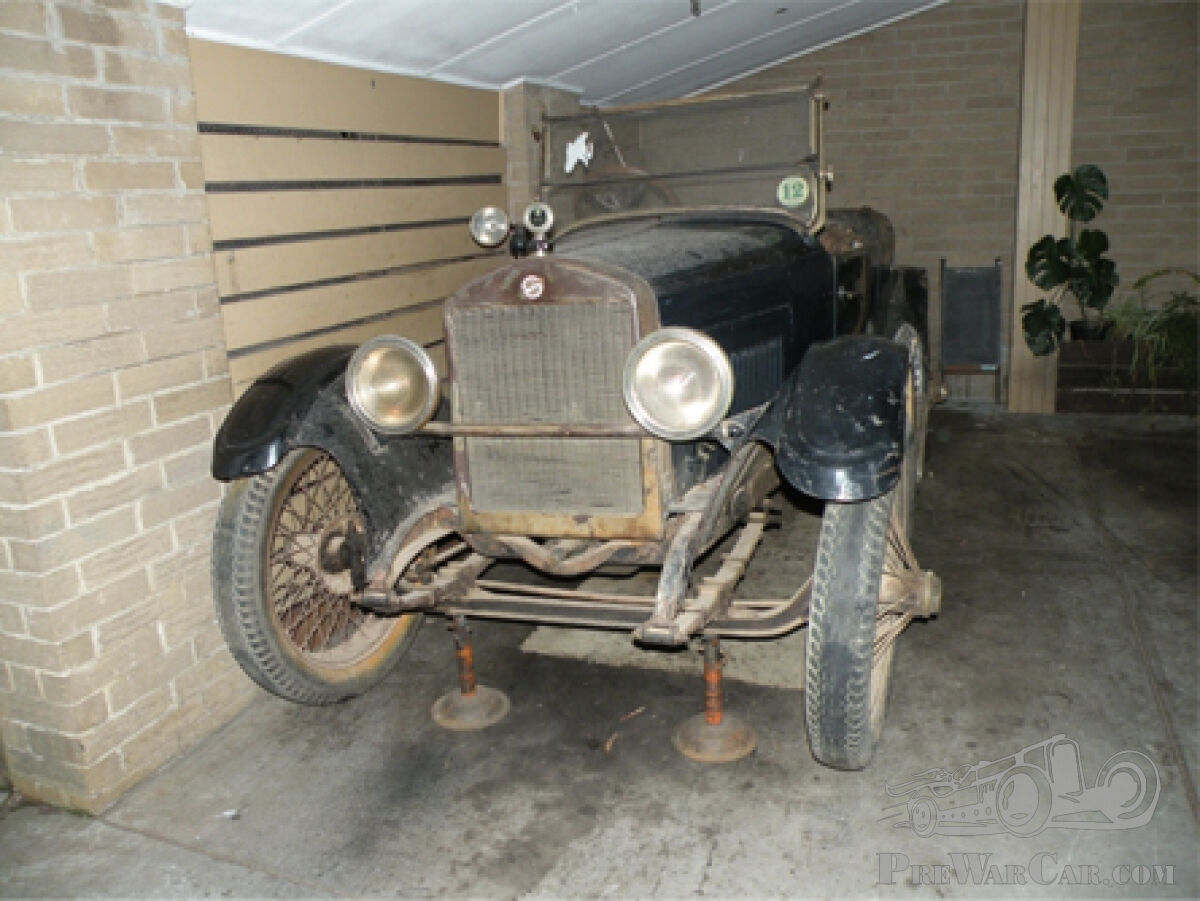




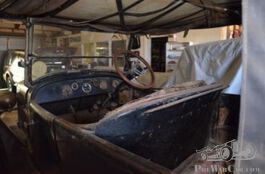
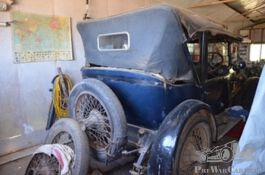
The Light Six was a new model for 1920. It was fitted with a new smaller (3.5 litre) six-cylinder engine fitted with a very advanced Aluminium cylinder head, this engine only remained in production until late in 1921 or early 1922, just two years, it had nothing in common with the next series engines. The records also say that all the 1920/21 examples of the Light Six had painted radiator surrounds and windscreen frames, on our Light Six these are nickel plated, presumably since new. In addition, our Light Six also has Magneto Ignition using an American Bosch Magneto. Again the vast majority of Light Six cars destined for American buyers were fitted with “Remy” Coil & Distributor with automatic advance.
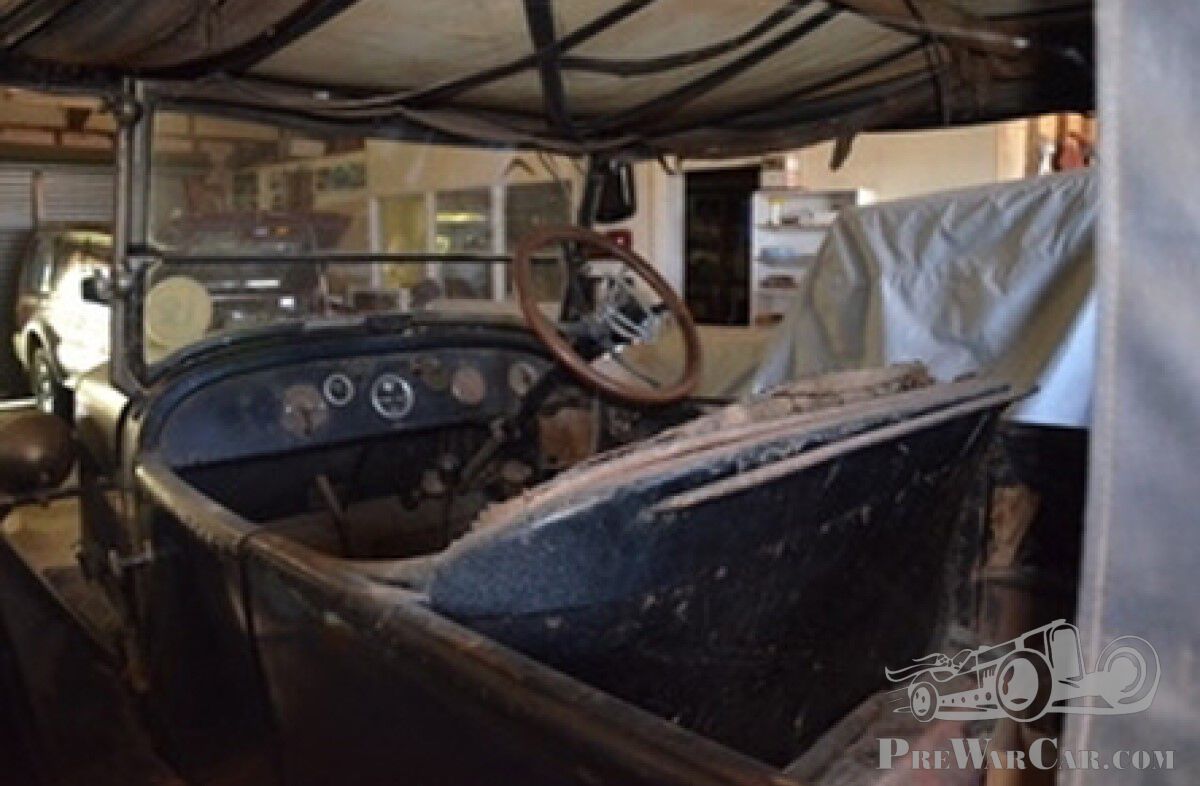
On our car, the rest of the electrical equipment (starter and generator) is by the little known Wagner company. Although it must be said that the original 1920 Owners “Care & Operation” book does make reference to Wagner products. It does not have a “pop-up” vent to direct cool air towards the driver and passenger’s feet, yet as far as I have been able to discover that apart from a mere handful of other very early Light Sixes, those still existing or even those illustrated in early photographs do have this feature. The same goes for the Windscreen. Our car has a two-piece windscreen with both the top and lower sections pivoting independently. Virtually all the surviving examples of early Light Six have a one-piece windscreen. Likewise, these cars were fitted with sidelights mounted in the bottom corners of the windscreen. Our car has never been equipped with sidelights and has no provision for them to be fitted. Even such basic thing as the original combined ignition and light switch is quite different. Different to almost any other Studebaker Light Six model as far as can be ascertained. This light switch, made by Briggs & Stratton of Milwaukee has three positions marked “Dim” OFF and ON however the headlight globes are of a single filament-single, contact type and are lit only when the switch is moved to the “On” position. There is only the one wire leading to each of the headlamps. Only the rear light is illuminated with the switch turned to “Dim”. I have been told that when new, Studebaker considered a rear view mirror to be unnecessary. There is no evidence that the car has ever had one fitted, although there is a small convex mirror included in the handle on the back of a windscreen-pillar mounted spot lamp, apparently a popular aftermarket accessory in the 1920s.
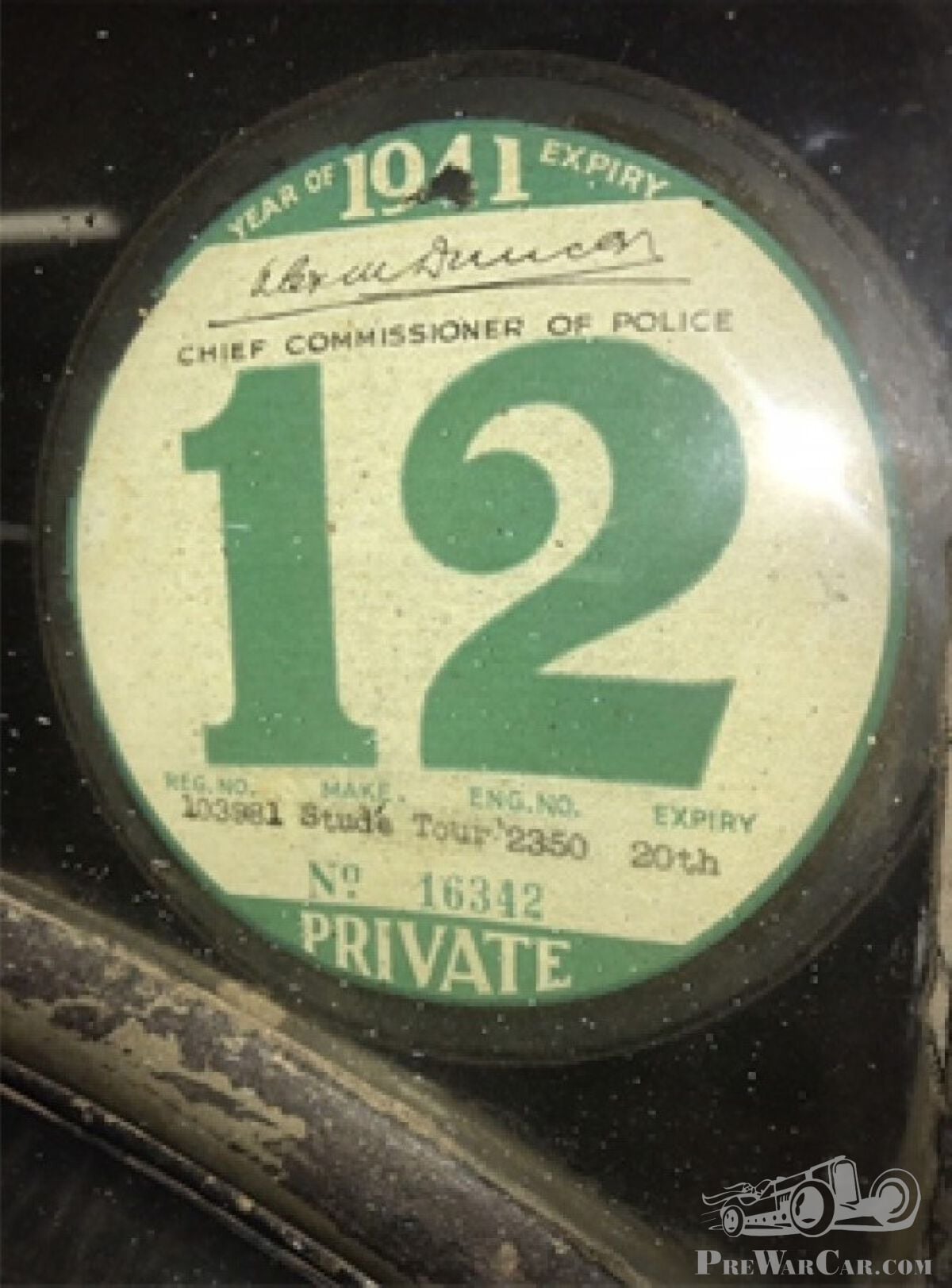
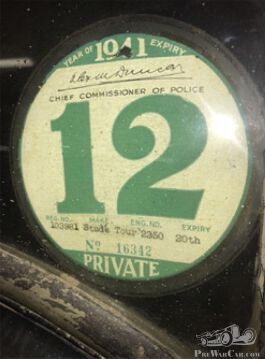
I can imagine readers sitting back and saying “But this was a very long time ago! I agree but for one thing. As far as my investigations have taken me it seems absolutely certain that the car has not been used since the early days of WW2. The Registration Label still on the windscreen shows that the Registration expired on the 20th of December in 1941. Add to this the fact that the speedometer has recorded just 36, 016 miles traveled. The daughter of the person believed to have been the second owner of our Studebaker has told me that she remembered going with her father to “rescue” the car from a fowl-house somewhere in Springvale.(Victoria) It had quite apparently been there for some considerable time. This was in the early 1970s, the car was then taken home to the family farm at Merrigum (near Shepparton). It then remained there, in a farm shed, standing on ‘blocks” and almost completely untouched until it was sold five years ago (2012), at a deceased estate “Clearing Sale” following the owner's death.
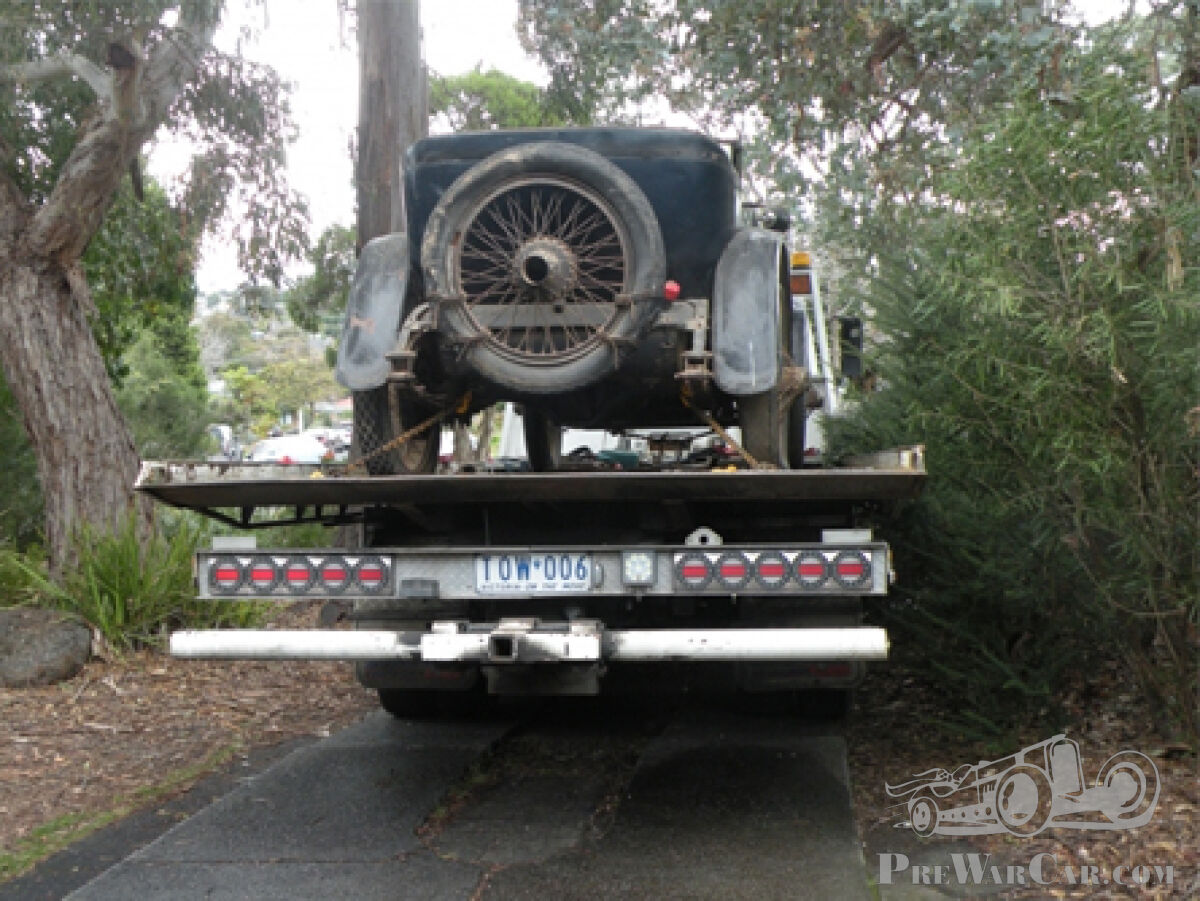
From Merrigum it was transported to the new owner's storage/garage in Rupert Street Collingwood. It stood there, this time without even the benefit of being jacked up, but standing on four very hard and very flat tyres. I bought this 1920 Studebaker after one of my sons, Steven, mentioned to me about an advert he had seen on “Gumtree”. I have now started work on the car, possibly the first person to anything constructive in over 70 years! It is to be a very sympathetic restoration.
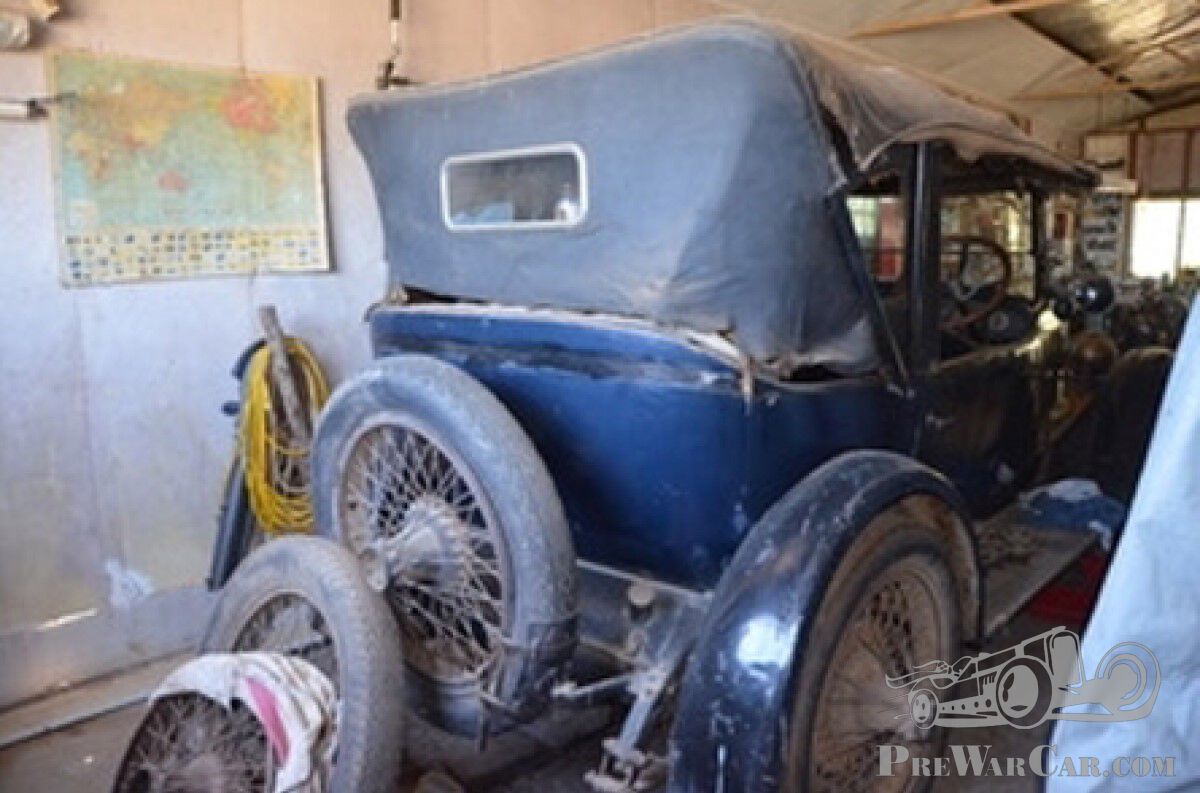
Unfortunately while relatively untouched, the interior trim and leather upholstery has suffered from the long-term occupation by rats and mice. On a brighter note, despite spending a very long time in dry storage, thankfully undercover, there is absolutely no evidence of any serious rust anywhere in the body. Most of the original dark blue and black paintwork will be able to be “recovered” with little more than “patching in” some damage to the mudguards and a cut & polish. I have yet to receive the original hood which was taken from the car to avoid damaging it while the car was transported from Merrigum to Melbourne. I already have most of the original side screens, all that these should require is some new celluloid (windows) and perhaps some other minor repairs.
While initially “stuck”, the motor now turns over freely and all the gears can be selected. The steering is free and has no indication of excessive wear.The only mechanical problem that I have been able to identify is that the thread for the Spark-plug in the very front cylinder has been stripped, an unsuccessful attempt had been made to repair this. Both the original Magneto and a spare that came with the car, produce a healthy spark at cranking speed. I have had all five wheels sandblasted and painted black. These are now fitted with new, correct size, 400 x 24inch tires so that I am now able to move the car as & when necessary.
Unfortunately, I have been unable to obtain any meaningful information about the cars original owners. The AOMC (Association of Motoring Clubs), the body now responsible for maintaining the early Registration Records for Victoria, has been unable to tell me anything about the cars history. They claim that “Freedom of Information” legislation prevents them from even telling me the Name and or Address of the first and/or any subsequent Registered Owners or the date or place when or where the Studebaker was first registered. The only thing that they seemed to be willing or able to divulge was, that the car had been first registered Number 74593. While it was already known that the car had been re-registered at some unknown time by some unknown person but prior to 1940 and somewhere in Victoria and issued with number 103981. The number is shown on the 1940 Registration label. As mentioned previously, the speedo shows just 36,016 Miles. As an interesting aside, it was only after we had agreed to buy the Studebaker and paid a deposit that the vendor told us, that we had been the only people who had even bothered to go and look at it.
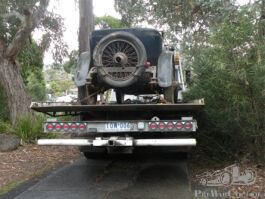
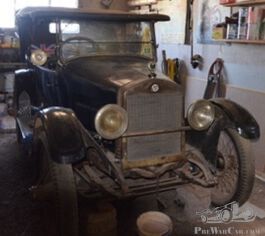
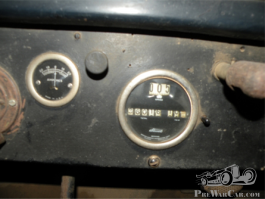
I would be delighted to hear from anyone who is able to add anything to my attempts at solving the mystery surrounding this car. I am not interested in selling the Studebaker but I have always made it a practice of recording as much of my cars’ early history as is possible.
Words and photographs by Bernie Jacobson.
Gepubliceerd:
woensdag maart 28th, 2018
Facebook
LinkedIn
Twitter
WhatsApp
Email
Copy
Reacties
Bill Baker
09 September 2019, 13:45
William May
01 April 2018, 06:33
This is a very nice car. Studebaker was a very high quality car. Studebaker made of point of building their cars extra tough. (A lot of the covered wagons that crossed the United States in the 1840's, 1850's and later were Studebakers. They were large manufacturers of wagons before they went into automobiles. (I have an article about the retirement of an office manager who started out with the Studebaker Co, in 1848, and stayed working there for 65 years before he retired. He started as an office boy to the Studebaker brothers. He retired in from them in 1913) This one appears to have a LOT of desirable features. The wire wheels are a big one. Most Studebakers had artillery wheels, made of wood, with steel felloes and hubs. I assume the original owners special ordered the wire wheels. I have a 1925 Studebaker Big Six Roadster, and it has the wood artillery wheels. This car appears to have been a real custom order, probably from the ground up, with all the options the owners wanted, and other items deleted as they desired.
Wagner is a lesser known ignition supplier, but there are still parts out there. I do not know what your distributor number would be, but I readily found distributor caps, rotors, and points for the Wagner distributor on my Studebaker.
My 1925 Studebaker showed 32,000 miles on the odometer, and I think it must be correct, as everything I take apart looks new, and has little or no wear.
I do not know about your car, but the manuals for mine are VERY impressive. They are 6 seperate books, covering about everything you could want to know about the car, with detailed instructions for each service operation, starting with the list of tools required for that operation. They also have a lot of drawings and diagrams which clearly illustrate what they are talking about. Studebaker has some of the best service manuals I have ever seen for early automobiles.
If you are not a member yet, I urge you to join the "Antique Studebaker Club". They are a tremendous resource!
Lees verder
Wagner is a lesser known ignition supplier, but there are still parts out there. I do not know what your distributor number would be, but I readily found distributor caps, rotors, and points for the Wagner distributor on my Studebaker.
My 1925 Studebaker showed 32,000 miles on the odometer, and I think it must be correct, as everything I take apart looks new, and has little or no wear.
I do not know about your car, but the manuals for mine are VERY impressive. They are 6 seperate books, covering about everything you could want to know about the car, with detailed instructions for each service operation, starting with the list of tools required for that operation. They also have a lot of drawings and diagrams which clearly illustrate what they are talking about. Studebaker has some of the best service manuals I have ever seen for early automobiles.
If you are not a member yet, I urge you to join the "Antique Studebaker Club". They are a tremendous resource!
david chappell
30 Maart 2018, 10:03
The car will be in the uk on April 19th II have bought it from Bernie
Lees verder
Steve Diggins
28 Maart 2018, 02:16
This could be a Canadian built Studebaker. These cars were produced in Walkerville, Ontario starting in 1911 when Studebaker absorbed EMF and used their factory. They started building RHD cars for Canada and the Commonwealth. The small differences from a car built in the U.S. are not unusual.
Lees verder
This car appears to be a 1922 EJ with wood framed body (based on front suicide doors) the split screen was available at this time but fitted , later? with the '23 cast iron cylinder head motor,or it was a car built on the cusp of change, Cars made and sold via Canada into the " Empire" e.g. right hand drive usually had as standard nickel rad shell and lights and also the windscreen pillars, Budd centre lock wire wheels were the usual equipment to offset dry climate white ants etc.
The Wagner electrics were predominately use on the earlier Light Sixes with Remy later interchangeable, there are at least 5 Light sixes in the UK more information and an informal support group is available via the Studebaker Owners Club UK