Het wereldwijde magazine en verkoopplatform voor liefhebbers van klassieke auto’s, door liefhebbers.
Het wereldwijde magazine en verkoopplatform voor liefhebbers van klassieke auto’s, door liefhebbers.


Filter
Maak een keuze
- Auto's
-
Merk >>
-
Bouwjaar >>
-
-
Categorie >>
- Motorfietsen
- Onderdelen
-
Automerk >>
-
Fabrikant >>
-
Categorie >>
- Fietsen
-
Bouwjaar >>
-
Landen


About What is it quiz #462: Stolle 6/40 PS
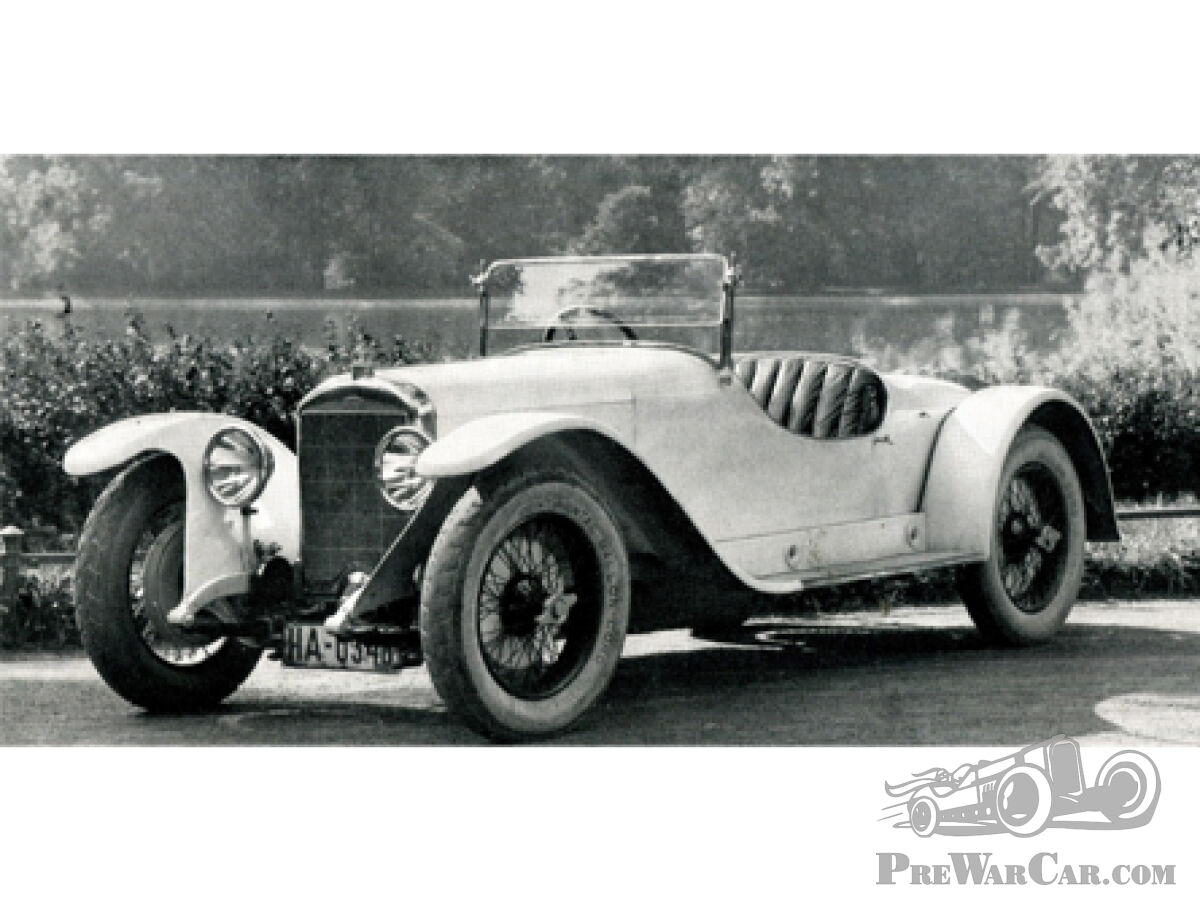
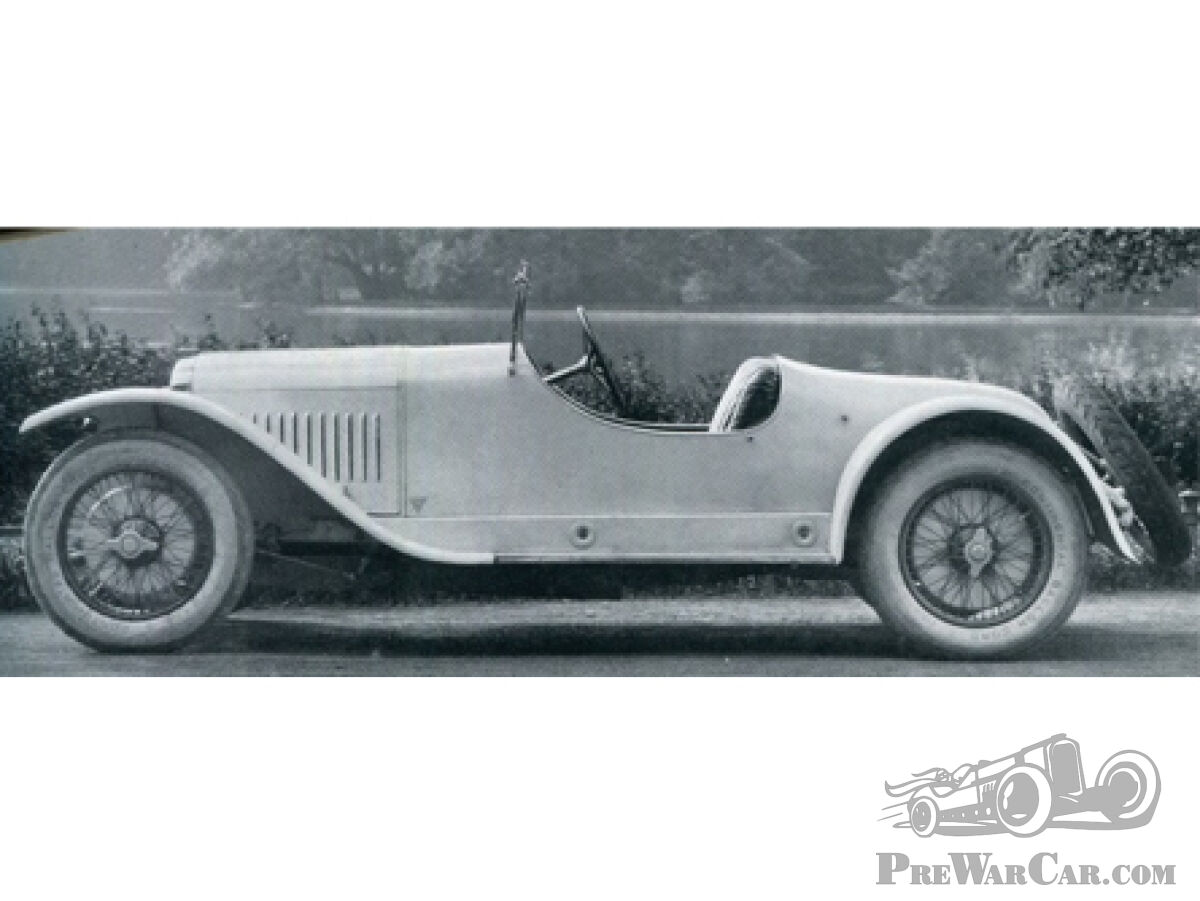


Very well done, PreWarCar readers! I didn´t expect so many correct answers for last week´s quiz, as the Stolle 6/40 HP is a car, that you won´t find in many books.
So let me tell you about this wonderful "little Maybach". Martin Stolle, born in Berlin in 1886 started his career at Cudell, before the dragons of Fafnir arose, the best-known automobile-factory of Aix la Chapelle. He left Cudell, working for Metallurgique afterwards and in 1917 he joined the Rapp-Motorenwerke, the precursor of BMW, where he was involved in the development of the famous boxer-twin M2-B15, that, among other customers, was also sold to Victoria in Nürnberg. Victoria successfully headhunted Stolle and he constructed an upgraded boxer engine for the future Victoria-bikes.
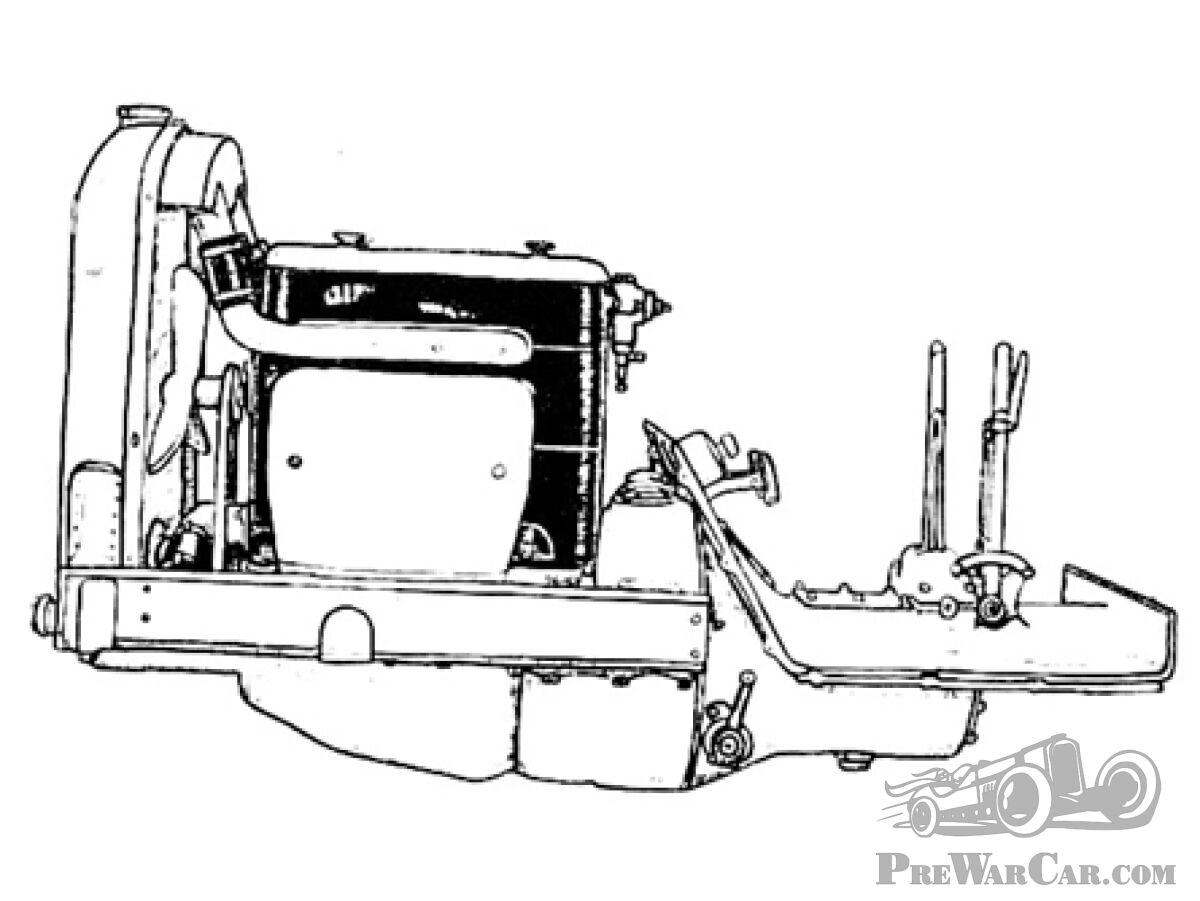
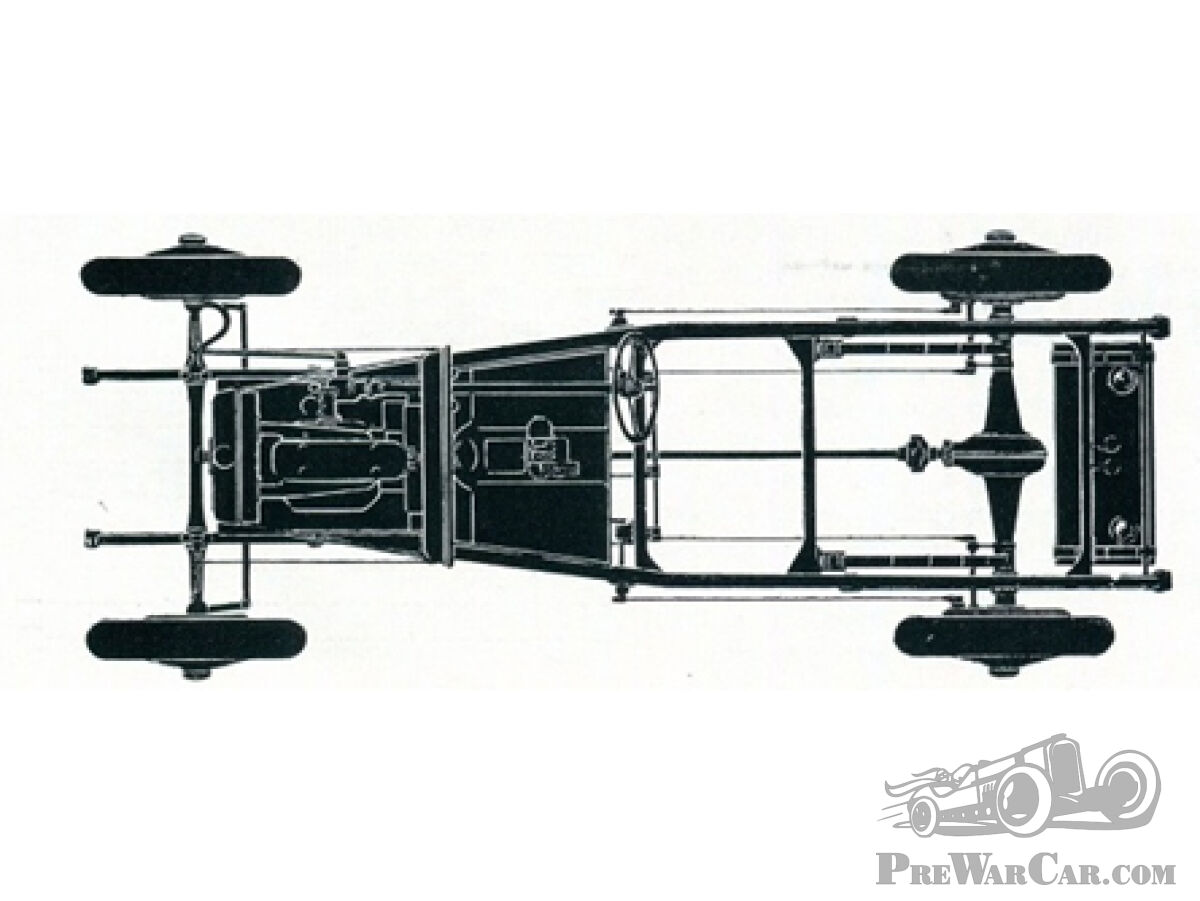
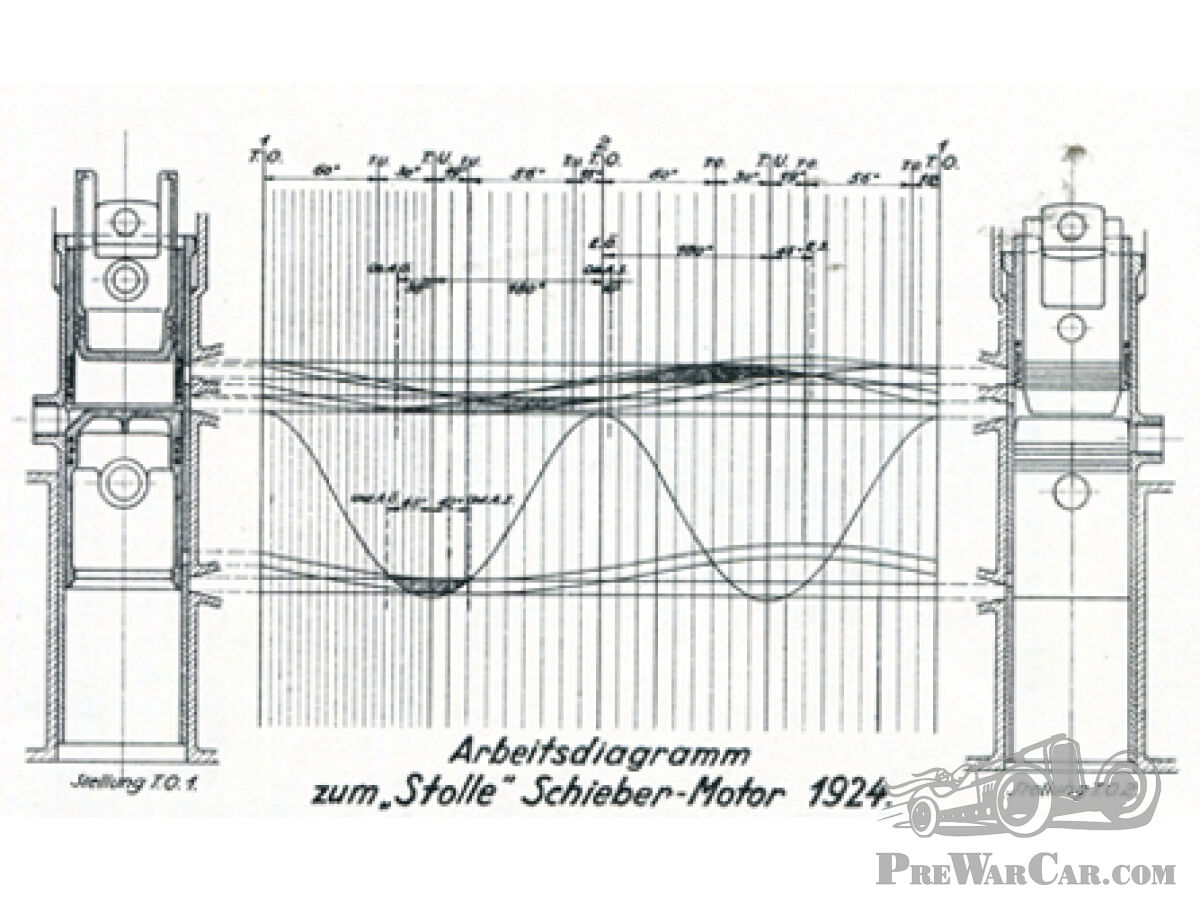
At the same time, he founded his own automobile factory in Munich, called Vorster & Stolle Motoren AG. Together with his companions Ernst Hermann Sander and Hermann Vorster, a nephew of Hugo Stinnes (a wealthy industrialist and father of Clärenore Stinnes), he developed our quiz-car, the "Stolle 6/40 PS", that was introduced in 1925. Only 15 examples of this beautiful automobile were produced until 1926 and none of the cars survived. Even if I read about a cutaway car, that is said to belong to the "Deutsches Museum" in Munich, it sadly is not a complete cutaway car (OK, that sounds like a paradox), but only the cutaway engine of Stinnes personal roadster. The car had a ladder-frame chassis with a very low positioned engine and gearbox, leading to an unusual low driver´s position. To get a very stiff car, the engine block, made of aluminum, was casted in one piece with a "table", that was mounted between the chassis-beams. Furthermore, the gearbox housing, the front floor, and the bulkhead were also designed as one piece, made of cast aluminum. The car was powered by a 1500ccm straight four OHV-engine, producing 40 HP at 3500 1/min. Alternatively, a valveless counter-piston engine could be ordered. But only two cars with this option were built.
Bodies came from Alexis Kellner, Berlin, Eugen Rupflin jr., München and Neuer & Thieme, Ulm. After Hugo Stinnes passed away in 1926, the company lost its leading financier and went to bankrupt in December 1926. Until this date, only eight cars were sold, the other seven sadly were scrapped. Martin Stolle afterward went to the "Deutsche Industriewerke", working on the D-Rad, constructed a four-cylinder boxer-engine for NAG and again worked for Victoria. He also developed the two-stroke engined "Sursum" bike and after the war, he worked as an official automotive expert.
And now for your points to be added to your account:
One point for participation goes to Nigel Stennett-Cox. Even if the radiator looks similar, the quiz-car is not a British Salmson. 24 points for eight right answers will be divided to: Henk Visscher (who knew about the Kolb-family), Luc Ryckaert (who knew, that the car was nicknamed "Kleiner Maybach), Fried Stol (who knew the chassis-price and about the link to Horch), Fritz Hegemann (who knows about the "Spandauer Springbock), Alan Spencer (who tells us about the extensive use of roller bearings), Michael Schlenger (who recognized Martin Stolle at the wheel), Robbie Marenzi and Frank Sauerwald. Congratulations and thank you for your really good answers!
Winner of quiz 462 is Gerd Klioba, who knew about the test-track in Munich, the cutaway engine, and the radiator emblem! Five points will be added to your account!
Words and photographs by Hubertus Hansmann.
Gepubliceerd:
zaterdag februari 3rd, 2018
Facebook
LinkedIn
Twitter
WhatsApp
Email
Copy