Het wereldwijde magazine en verkoopplatform voor liefhebbers van klassieke auto’s, door liefhebbers.
Het wereldwijde magazine en verkoopplatform voor liefhebbers van klassieke auto’s, door liefhebbers.


Filter
Maak een keuze
- Auto's
-
Merk >>
-
Bouwjaar >>
-
-
Categorie >>
- Motorfietsen
- Onderdelen
-
Automerk >>
-
Fabrikant >>
-
Categorie >>
- Fietsen
-
Bouwjaar >>
-
Landen


Behind the red triangle
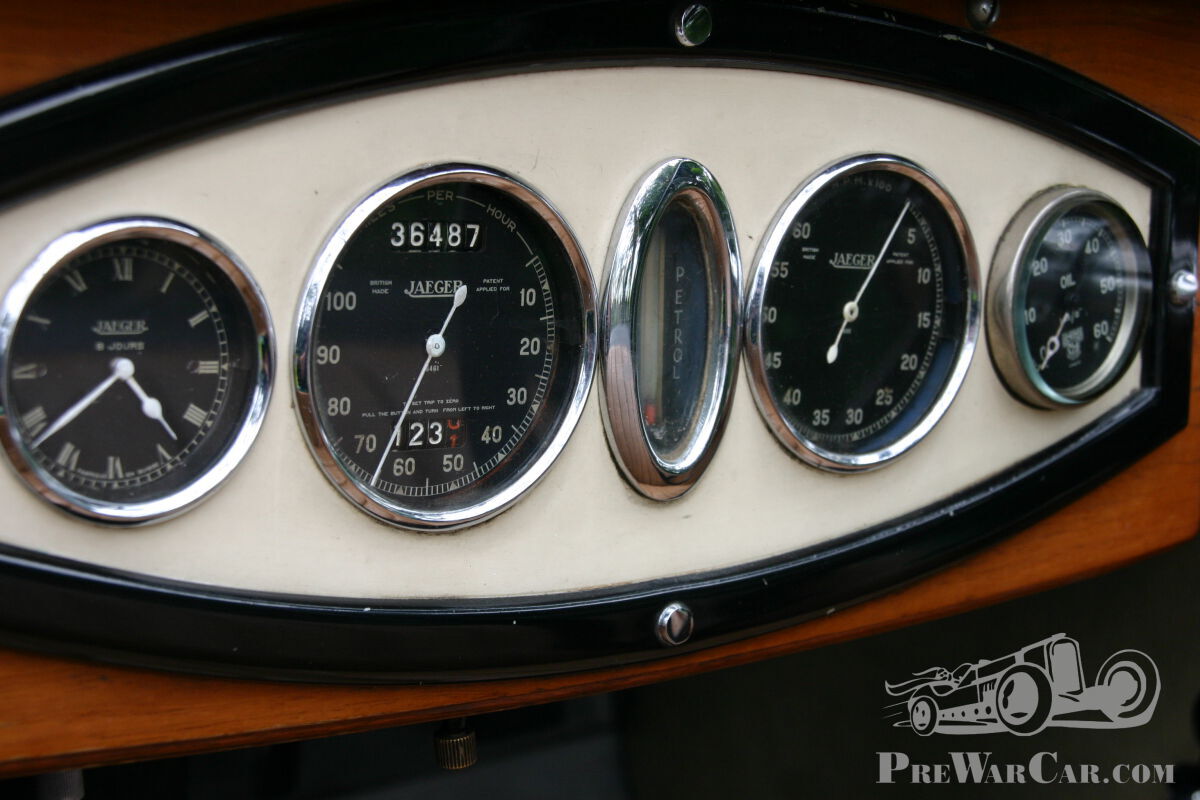
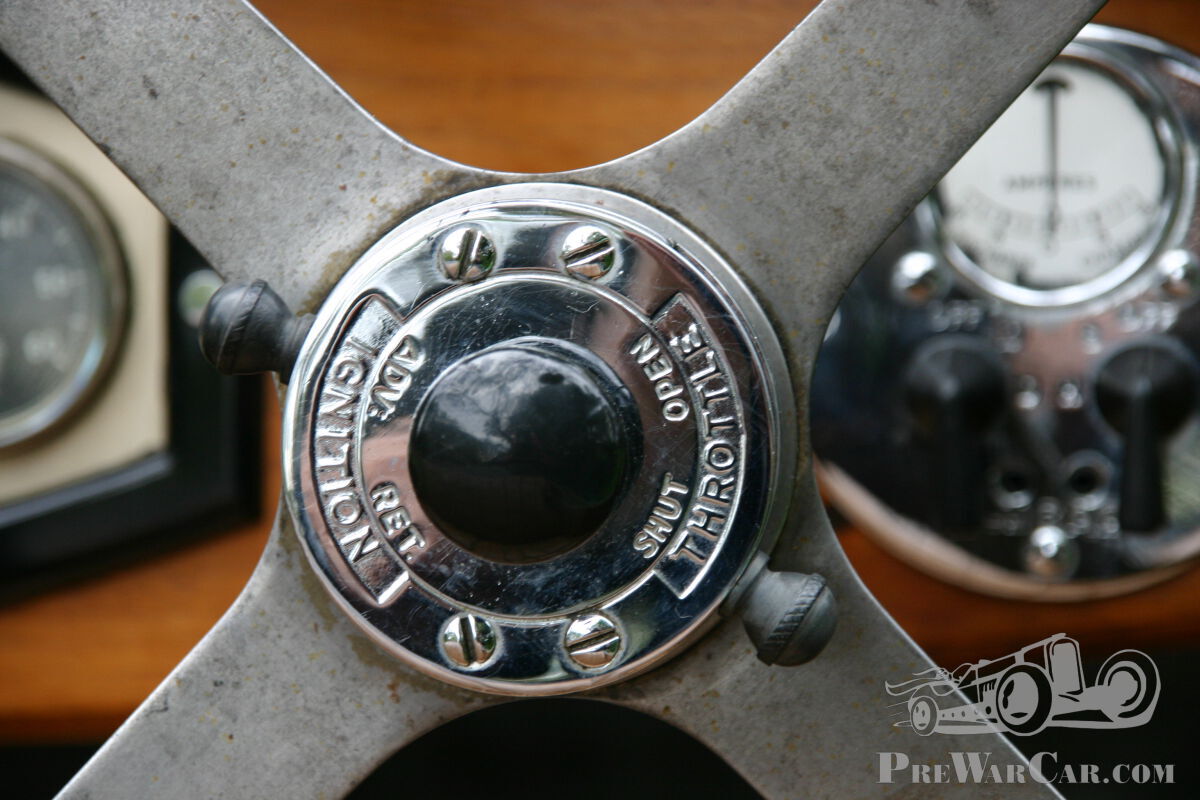
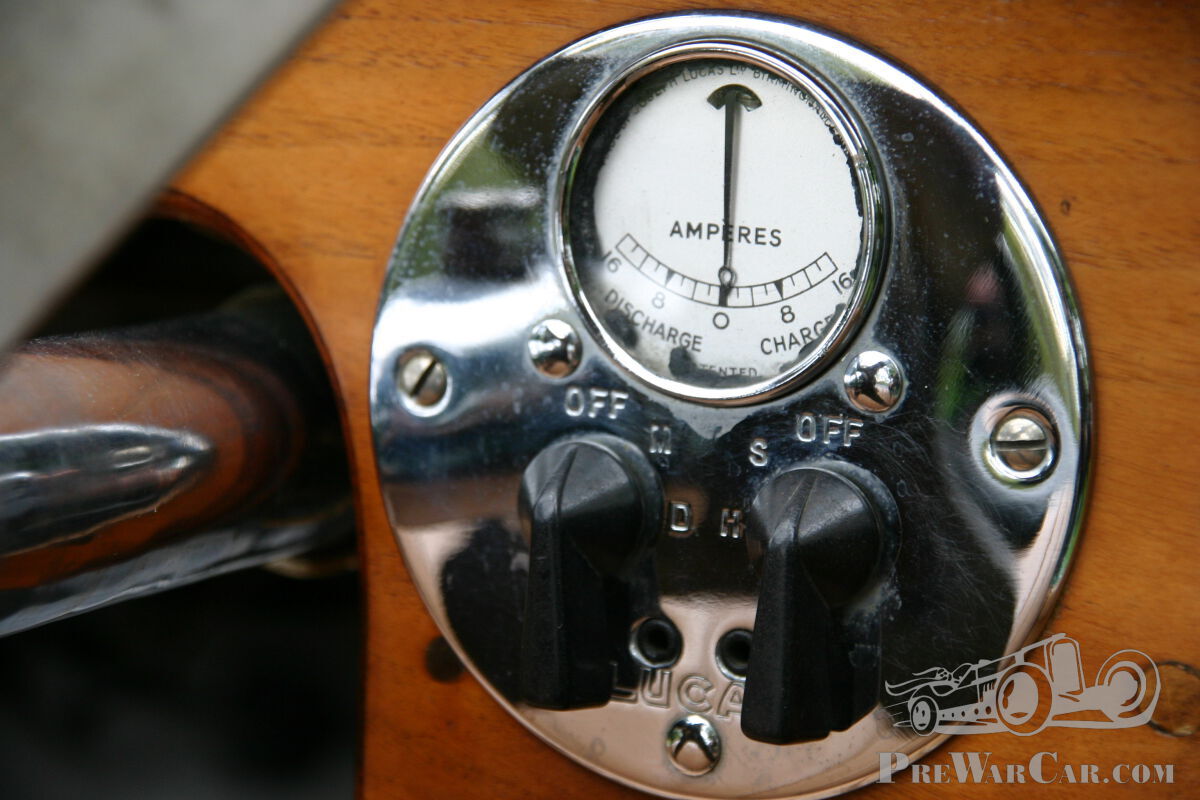
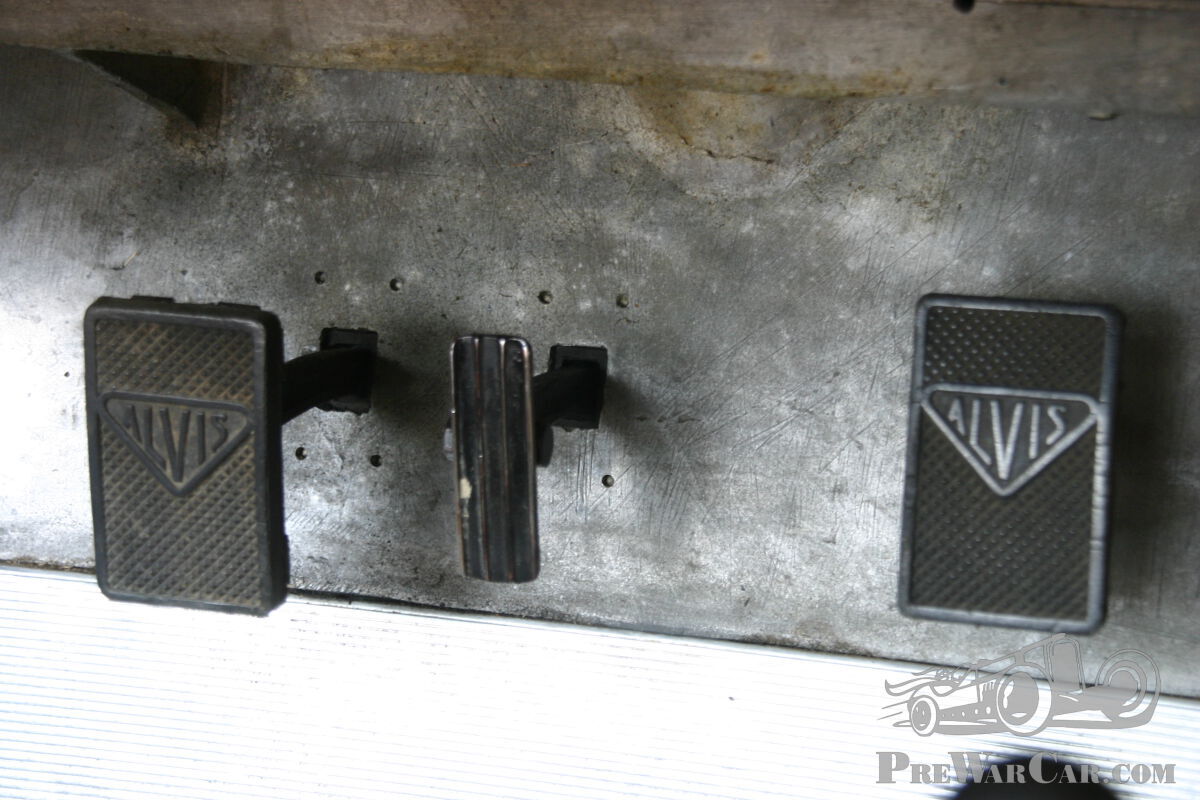
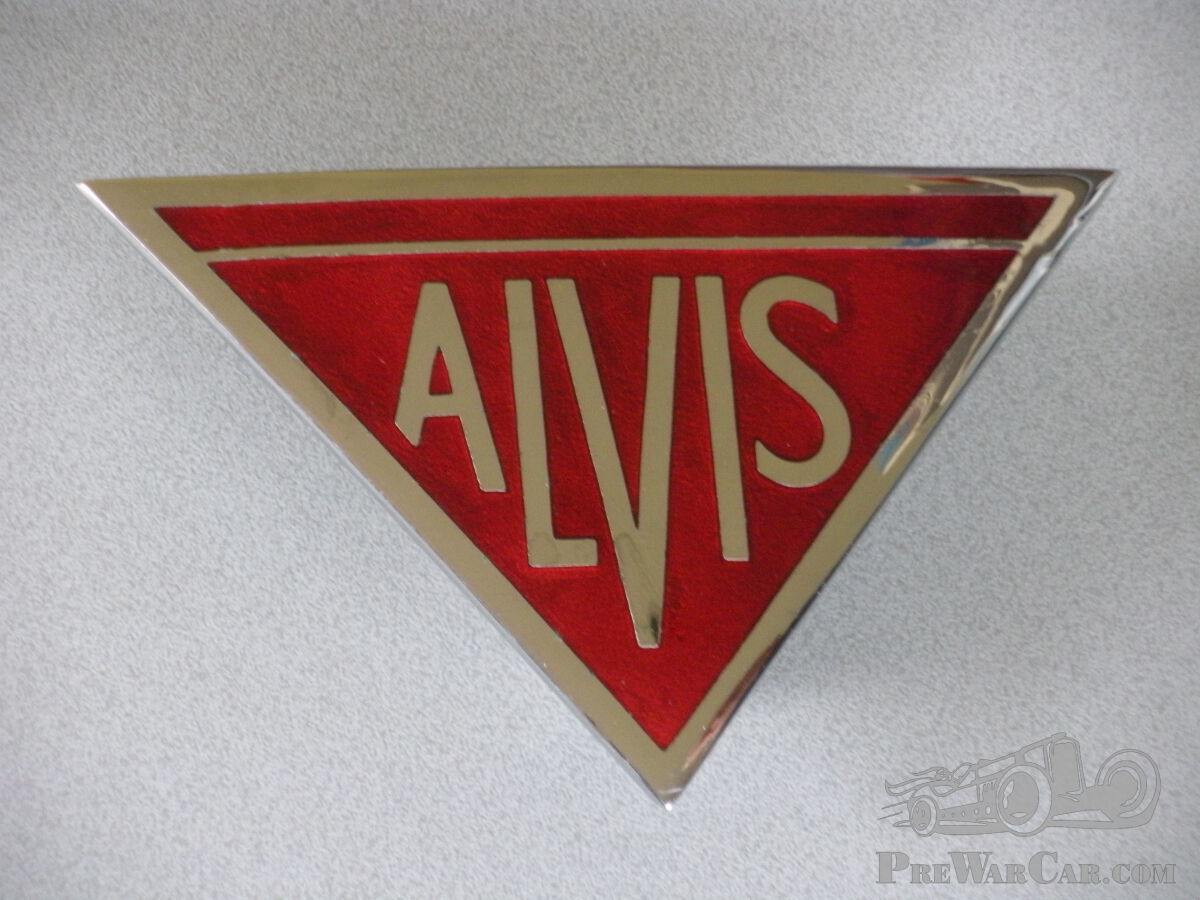
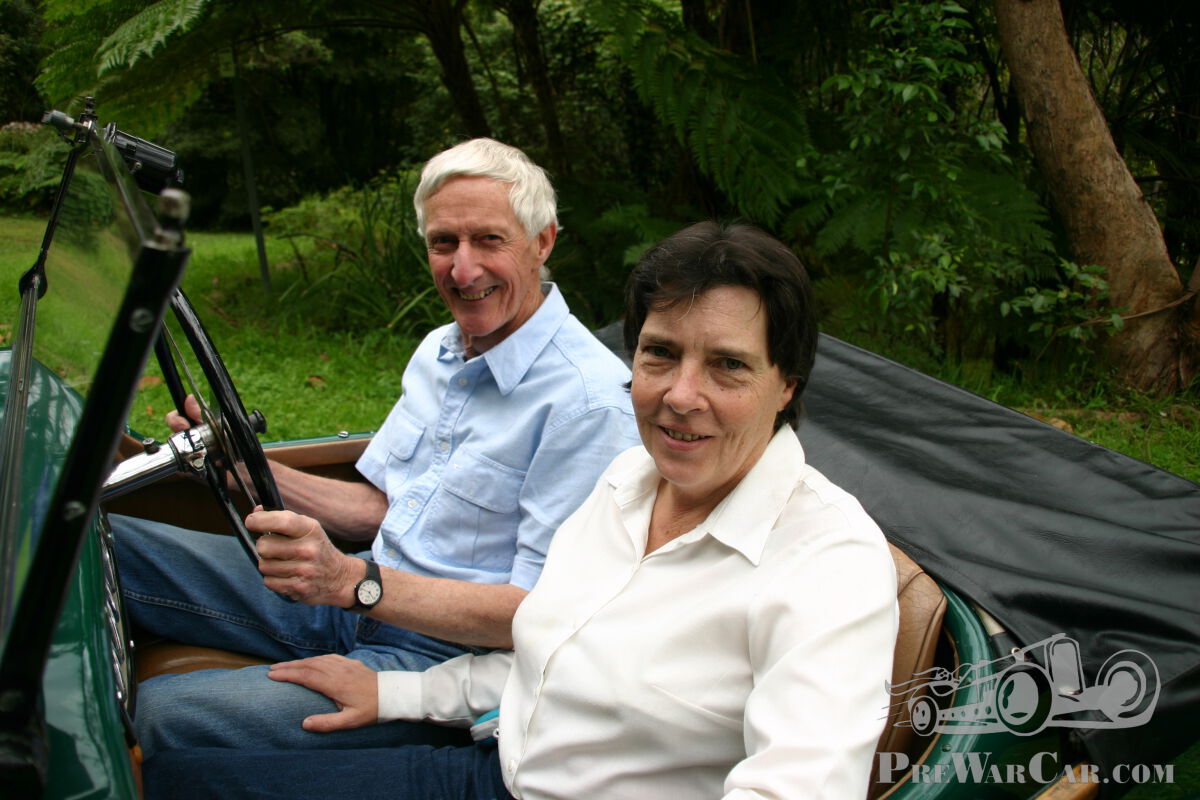


The name Rob Gunnell is synonymous with historic car racing and the inverted red triangle with the letters ALVIS embossed on it. Jim Gibson meets this interesting man and one of his magnificent machines.
This slightly built, quietly spoken man’s lifelong love affair with Alvis cars started at age 19 when walking up a steep hill on an inner North Sydney street. A man in a car stopped to offer him a lift, he was grateful, and as the car climbed the hill with ease, Rob asked what brand of car is this? Is it a Morris? The driver replied no it’s an Alvis.
Rob had just completed his National Service training and was in need of a car – you guessed it he found an Alvis and that car was the first of more than a dozen to quell his burning desire to be a small a part of the story behind the red triangle – when we visited several years ago he had four in the shed at his home.
There was no interest in cars from his family; his father was a coastal seaman and never owned a car. Rob’s interest was generated via his mates, most of whom were passionate about cars. With no formal training or background in things mechanical, he found he had a latent skill, and was quite proficient as a car mechanic, all the time gathering more knowledge of the internal combustion engine and the idiosyncrasies of the Alvis marque.
Rob also had a thirst for motor sport and was a skilful racing driver. He raced his Alvises at historic race meetings, in particular at the Amaroo Park circuit in Sydney. These meeting combined cars and bikes – and he was keen to have a go on two and three wheels as well. So, over a weekend meeting he would race not only one of his beloved Alvises, but a motorbike and an outfit (motorbike and sidecar), just to complete the trifecta.
Back from the brink
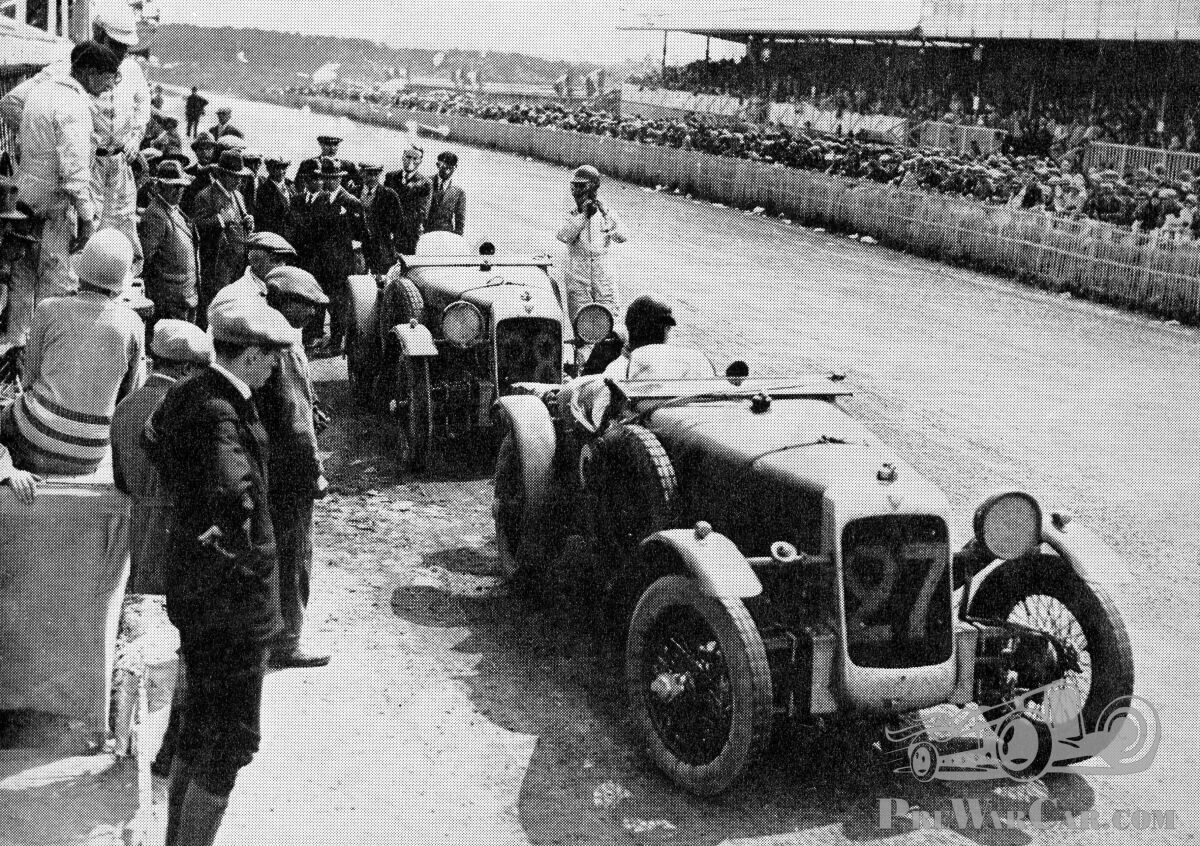
Like many early automobile manufacturers Alvis experimented with a front-wheel-drive (FWD) system. The principle of the front wheels both driving and steering was sound and the first of these 1.5-litre FWD cars was raced in 1925, gaining successes at hill climbs and at England’s legendary Brooklands racetrack, beaten only by Major Segrave’s V12 Grand Prix Sunbeam. In 1928 Alvis entered the Le Mans 24 hours race with two FWD FA model cars. They finished first and second in their class – sixth and ninth overall.
Rob knew the whereabouts of one of the 12 FWD cars that came to Australia from the 142 produced (only 40 still exist worldwide). It wasn’t far from where he lived on Sydney’s inner North Shore and he wanted to experience the thrill of owning and driving one of these exceptional racing Alvises.
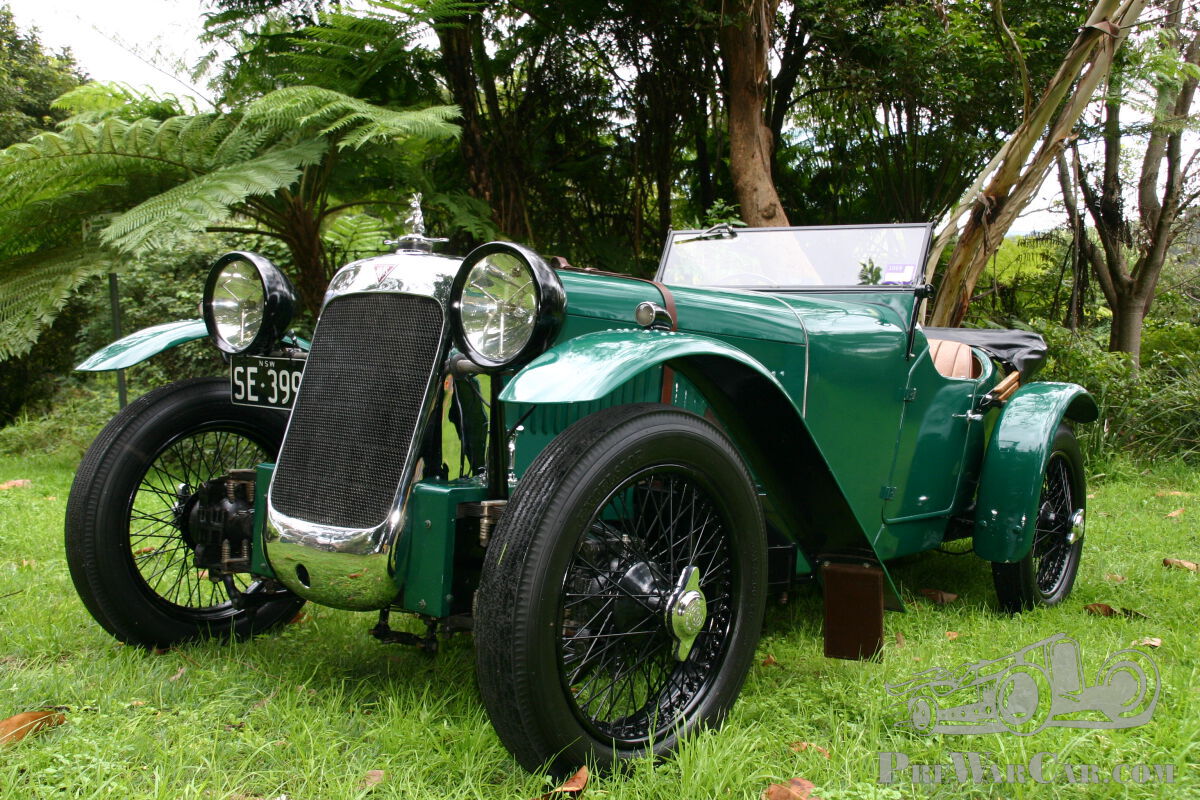
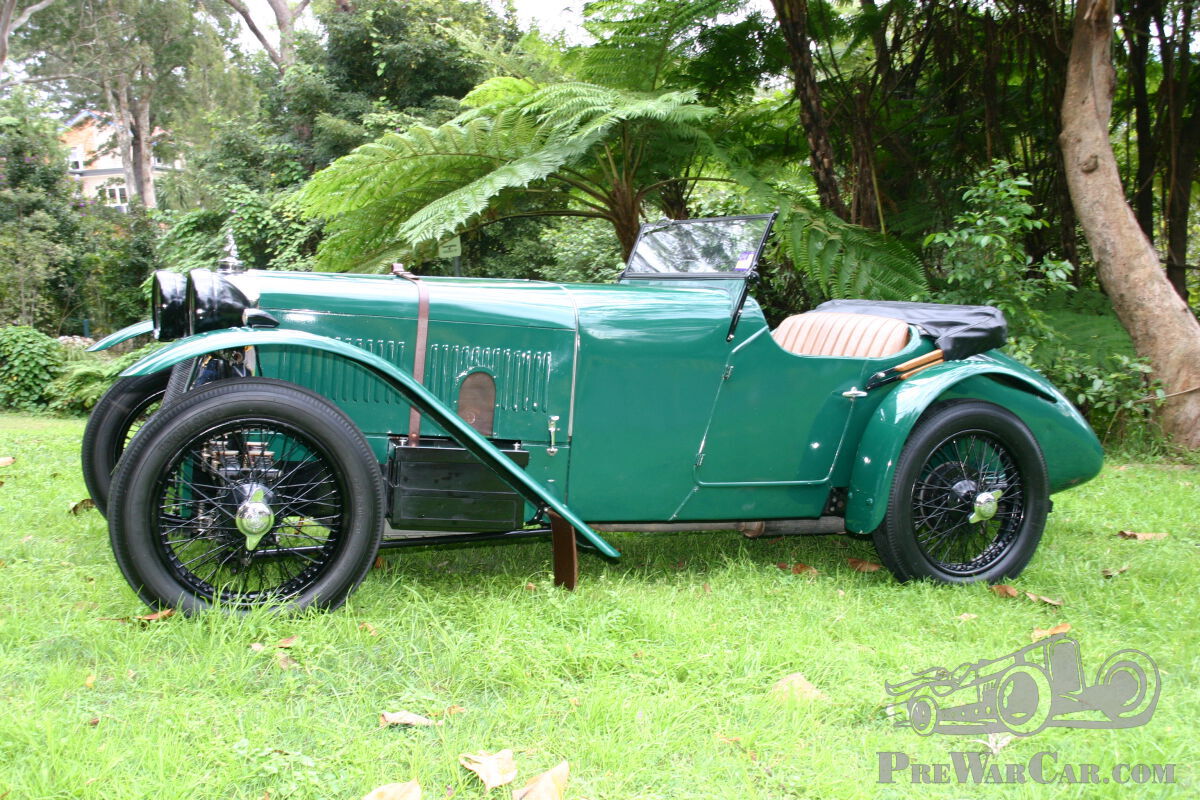
Chassis number 6992 was the first production FWD to touch our shores, landing in December 1928 and was fitted with a Cross & Ellis replica Le Mans body.
It was raced successfully throughout Australia and New Zealand, competed in the 1938 Australian Grand Prix at Bathurst and passed through many skilful racing driver’s hands over time, Alex Mildren being one.
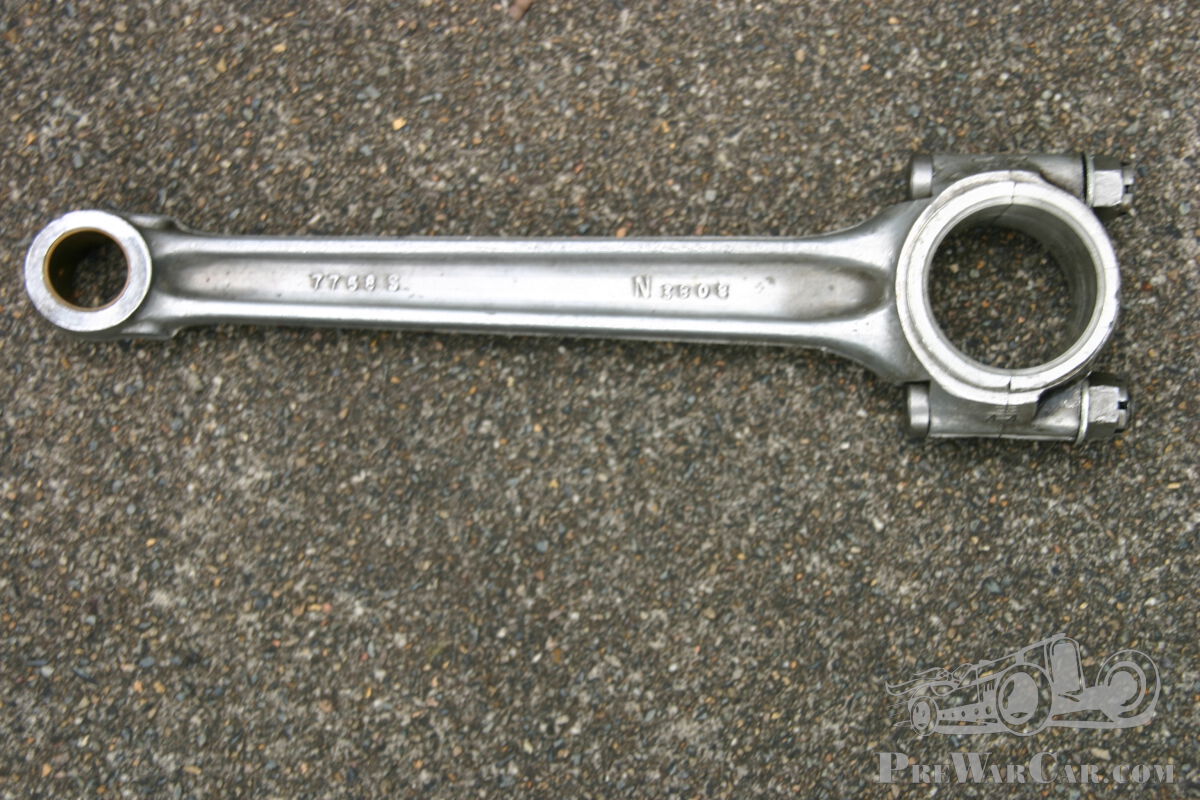
During a later assault on Mount Panorama it dropped a con-rod, appropriately on Conrod Straight. The then owner ran out of money and sold it to Bill Clarke in 1948. Clarke, a successful racer was keen to construct a rear-engine racing car. His plan was to turn the body around on the chassis and to make other modifications – so he quickly set about completely dismantling the car. It then sat in that state for 17-years. Rob had pestered Clarke for some time to buy it from him so that he could bring it back to its former glory, but to no avail. Until one day in 1965 he relented and the car was finally Robs.
This was the start of a painstaking 22-year journey. Rob says, “For the first 12-months of owning the car I spend every single Sunday at Clarke’s place, finding all the parts of my treasured 1928 FA model racing Alvis that Clarke had strewn throughout his property, and taking them home at the end of each Sunday’s treasure hunt. Even parts of the aluminium body had been cut off for other projects, as well as an entire centre section cut out in a band across the body”.
The long way back
Rob knew there was more to it than just reassembling the car – the panel work would have to be re-fettled. He had attended TAFE courses on panel beating in the past, but this was an aluminium body and a lot of specialist welding would be required. So, he went about skilling himself in crafting this non-ferrous metal. He wanted to use as much of the original body as possible and therefore set himself the monumental task of welding all of the pieces of the body back together. The rear guards were missing and he had to make them by hand, crafting the contours from photographs he received from the original 1928 Australian owner’s son. He meticulously rolling the edges as the original coachbuilder had done for strength – without the use of a wire beading.
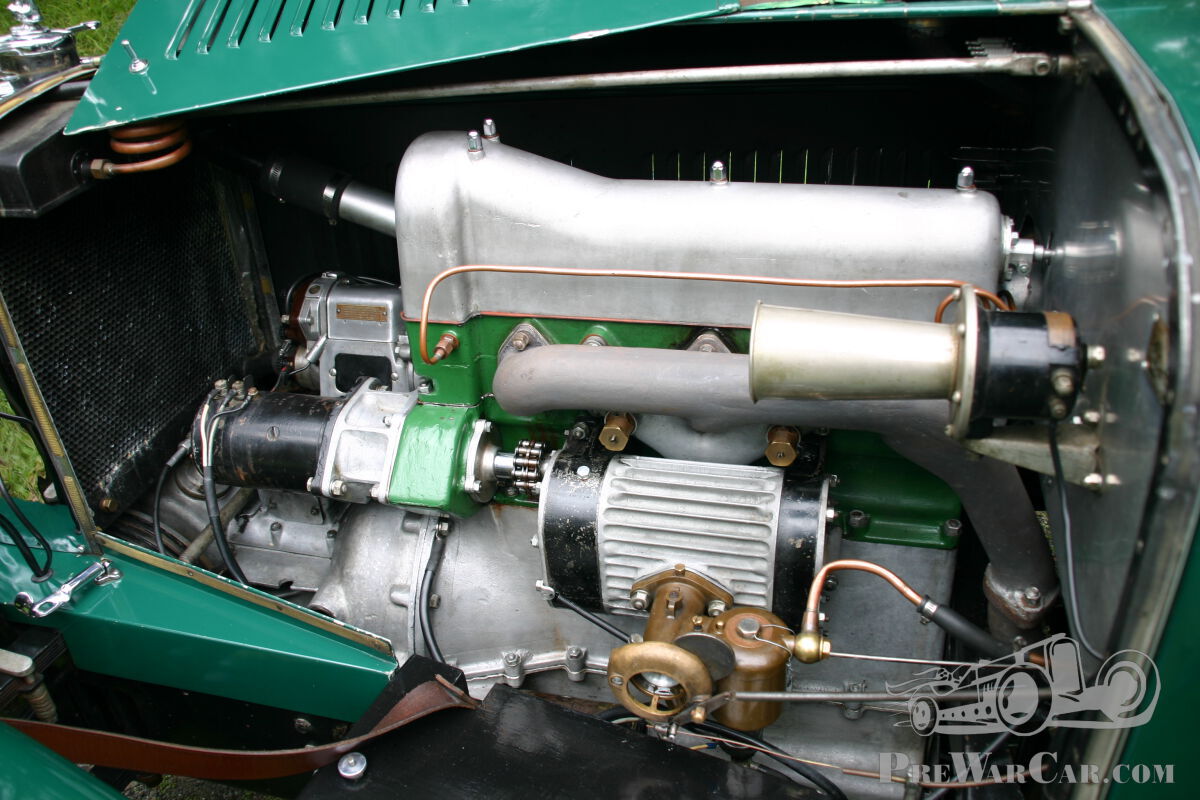
The mechanical ingenuity of the FA is amazing for the era. Its front mounted 1482cc alloy engine has a two-piece cylinder block and crankcase, crowned by a single overhead camshaft, with a bucket-type shim tappet adjustment, similar to the Jaguar XK engine. Running down the front of the engine, between it and the transmission, is an intricate mesh of straight-cut gears that operate all of the ancillary components.
The magneto, generator and supercharger all drive from this main gearset, there is no water pump as the cooling system is thermo-siphon.
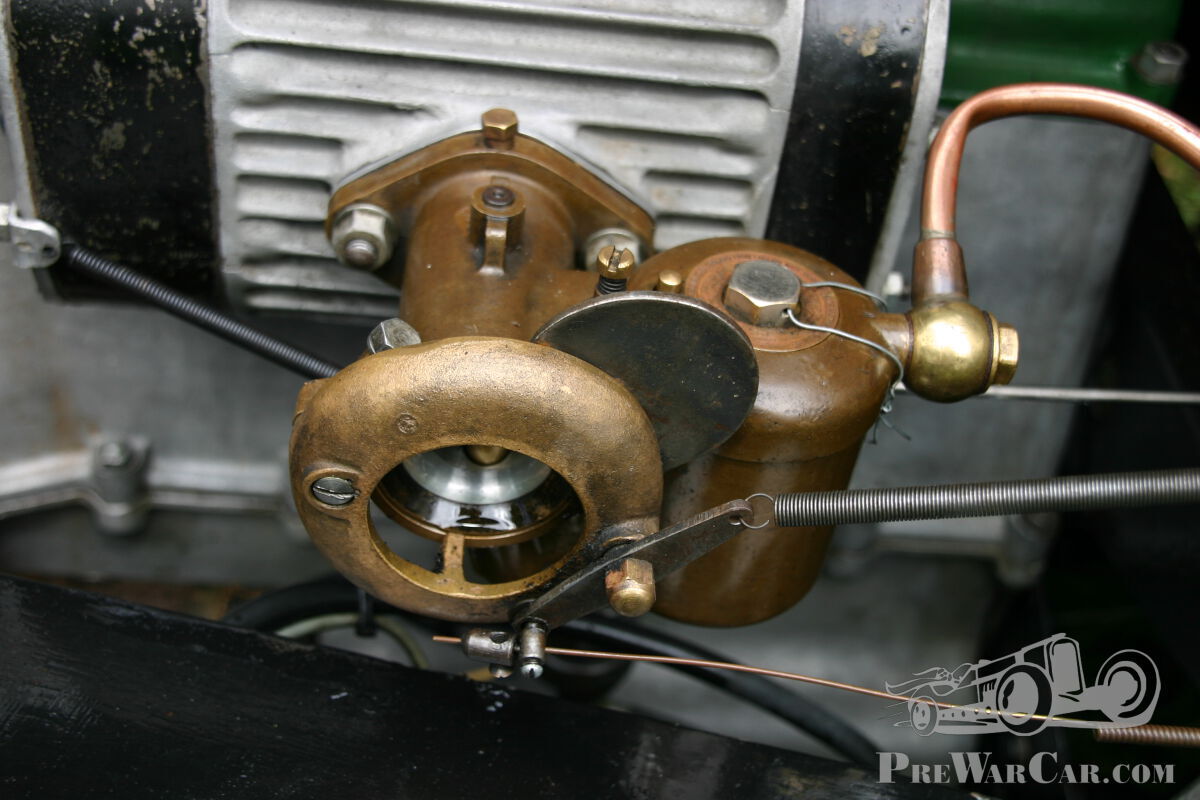
The carburettor is a Solex side-draught and a Rootes’ style blower (supercharger), made by Alvis engineers, it scavengers the air via three spiral vanes, blowing it by force through the induction system and into the combustion chambers.
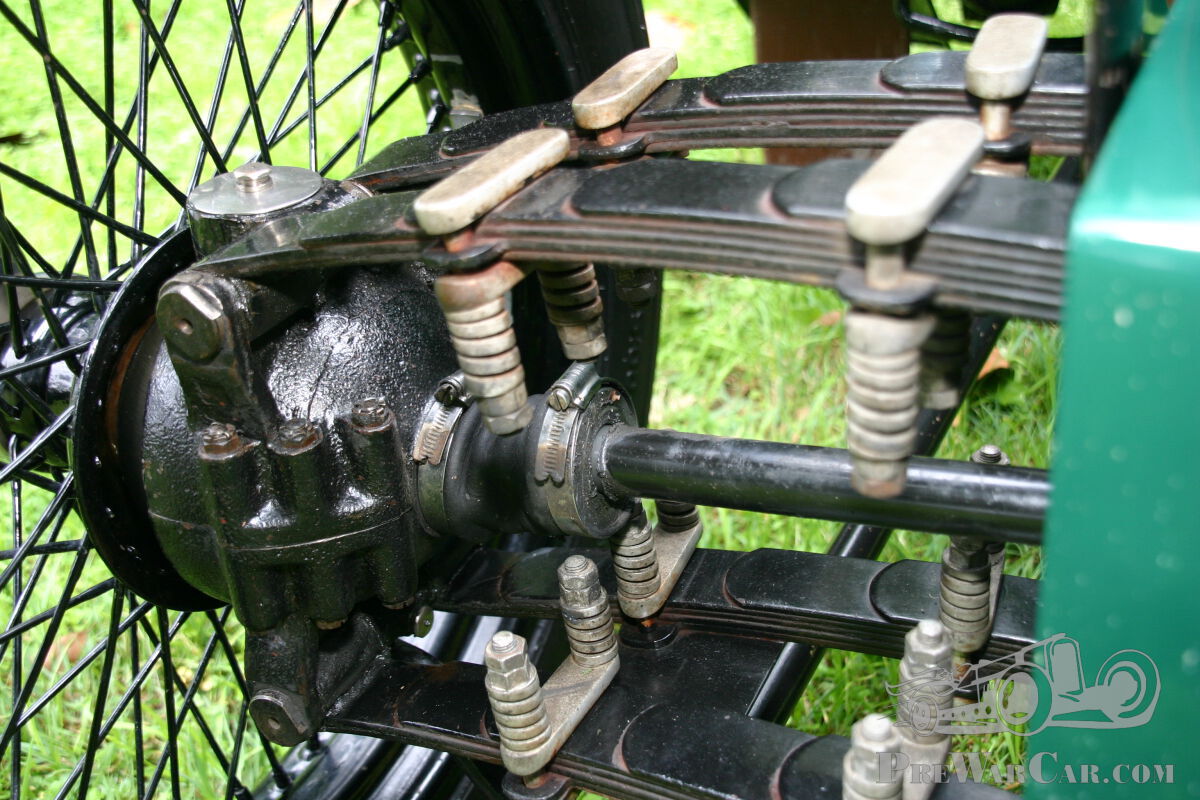
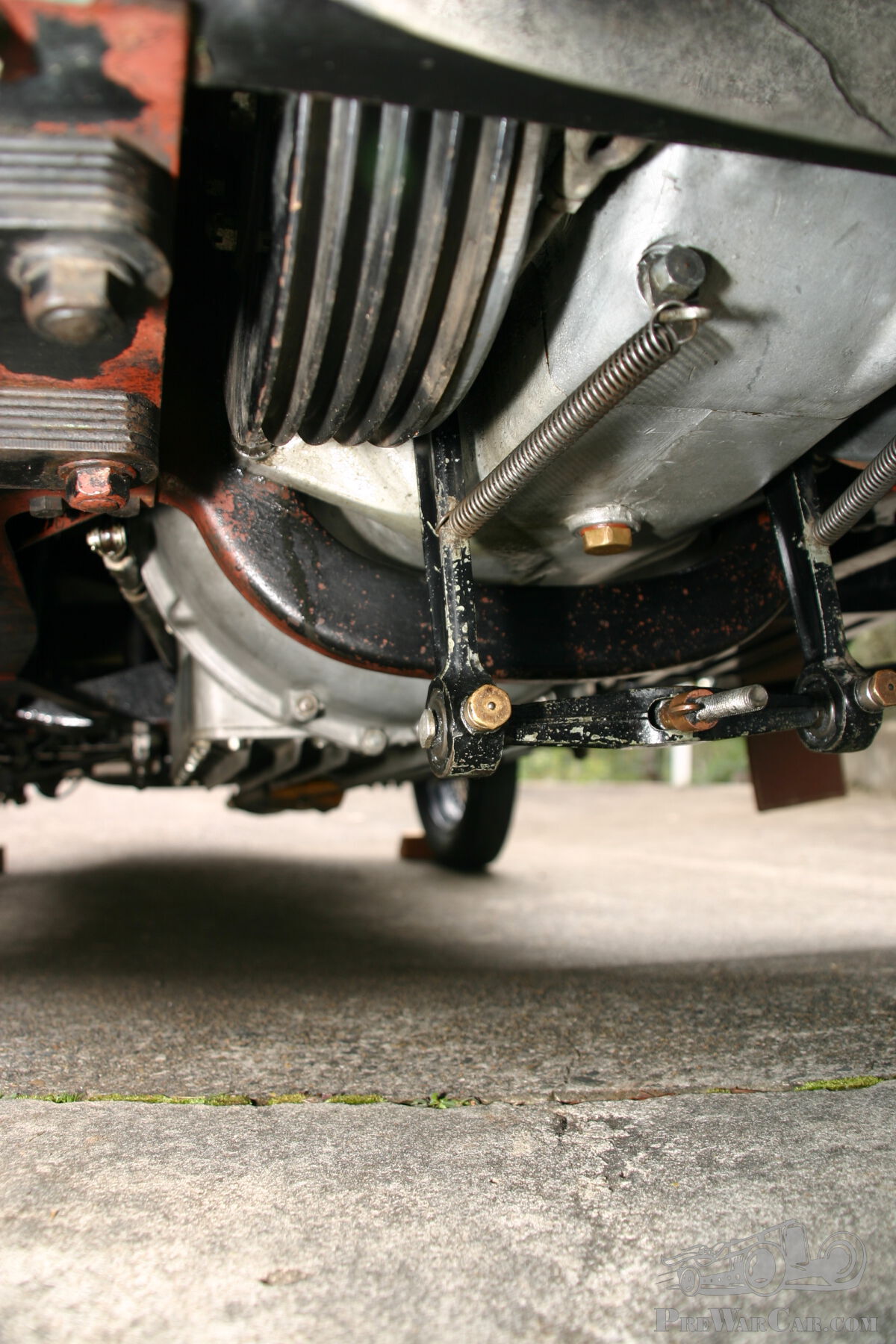
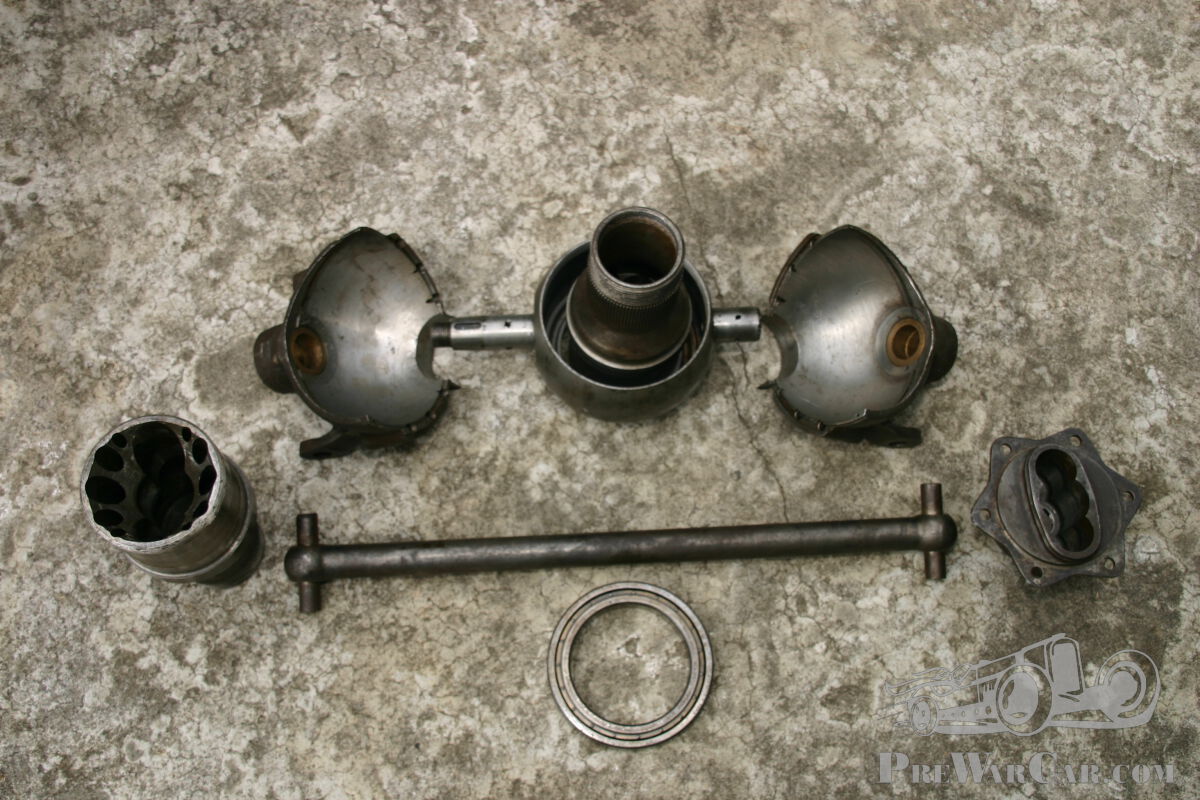
Further forward of the engine and gearbox is the differential that also carries inboard drum brakes. The inboard system was to reduce the unsprung weight of the racing car.
The brakes are cable actuated with two leading shoes on the front drive axle and a single leading and trailing shoe system retards the rear axle. The engine-transmission assembly has to be removed to reline the front inboard brake shoes.
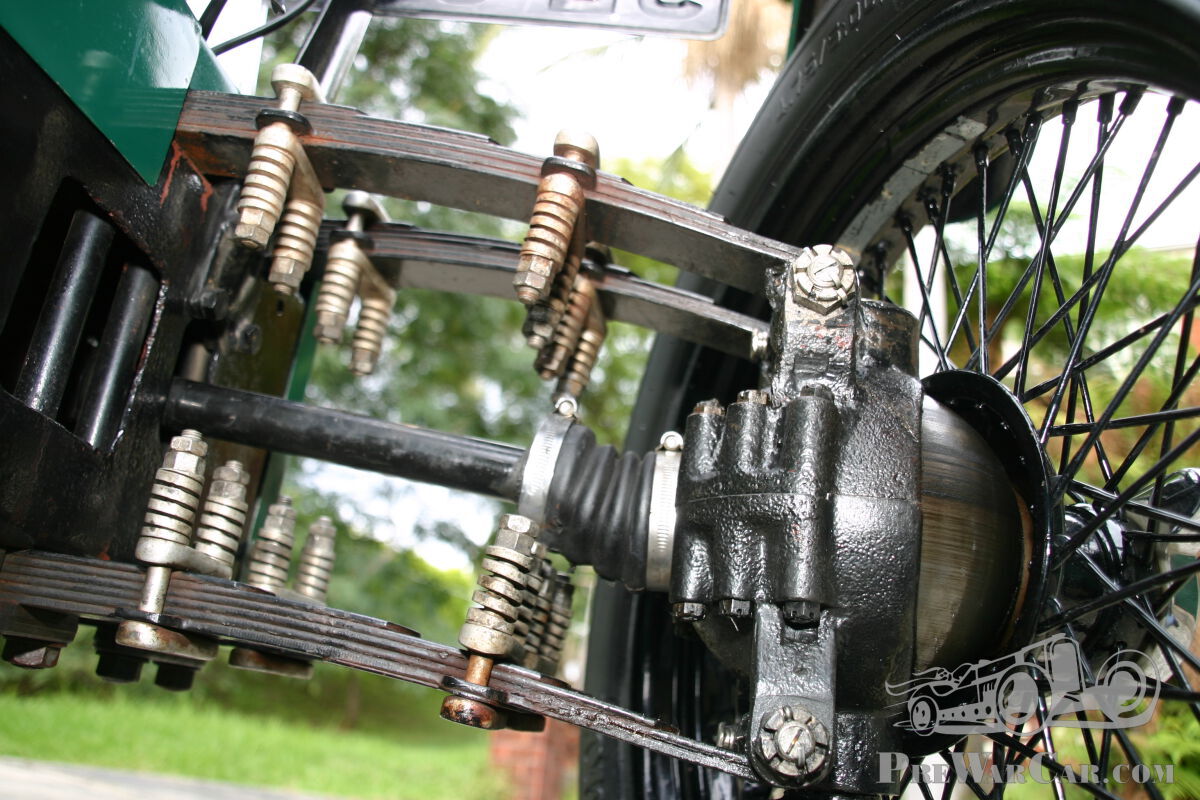
All four wheels are independently sprung with quarter elliptic leaf springs at each corner. From Rob’s experience, this system gives the car a smooth ride and good handling characteristics.
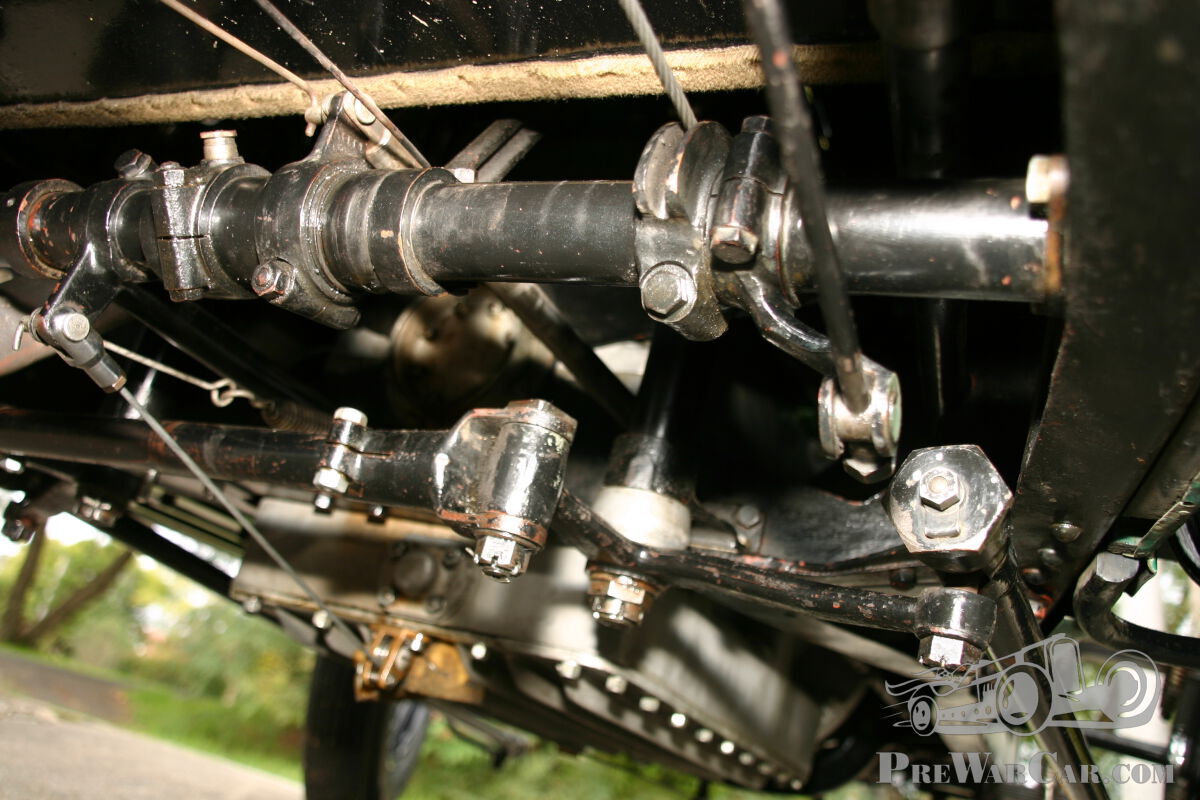
He says, “The steering is a push-pull system with a bell-crank at the bottom of the steering shaft that controls two heavy-duty steering arms that turn the front wheels at the constant velocity drive axle pivots. This system’s lever action alleviates heavy steering that a traditional steering box system would suffer from the weight of the power plant and drive train assembly”.
On the road
It was 1988 when Rob had Alvis FWD model FA chassis number 6992 back on the bitumen and registered. He drove it to Bathurst to compete in a hill climb that marked 50 years of the Bathurst Grand Prix and later in the year to Phillip Island to participate in the 60th anniversary of the Australian Grand Prix celebrations.
At the mention by us that the cable operated brakes may lack some stopping power. Rob through down the gauntlet – “jump in and let’s try ’em out”!
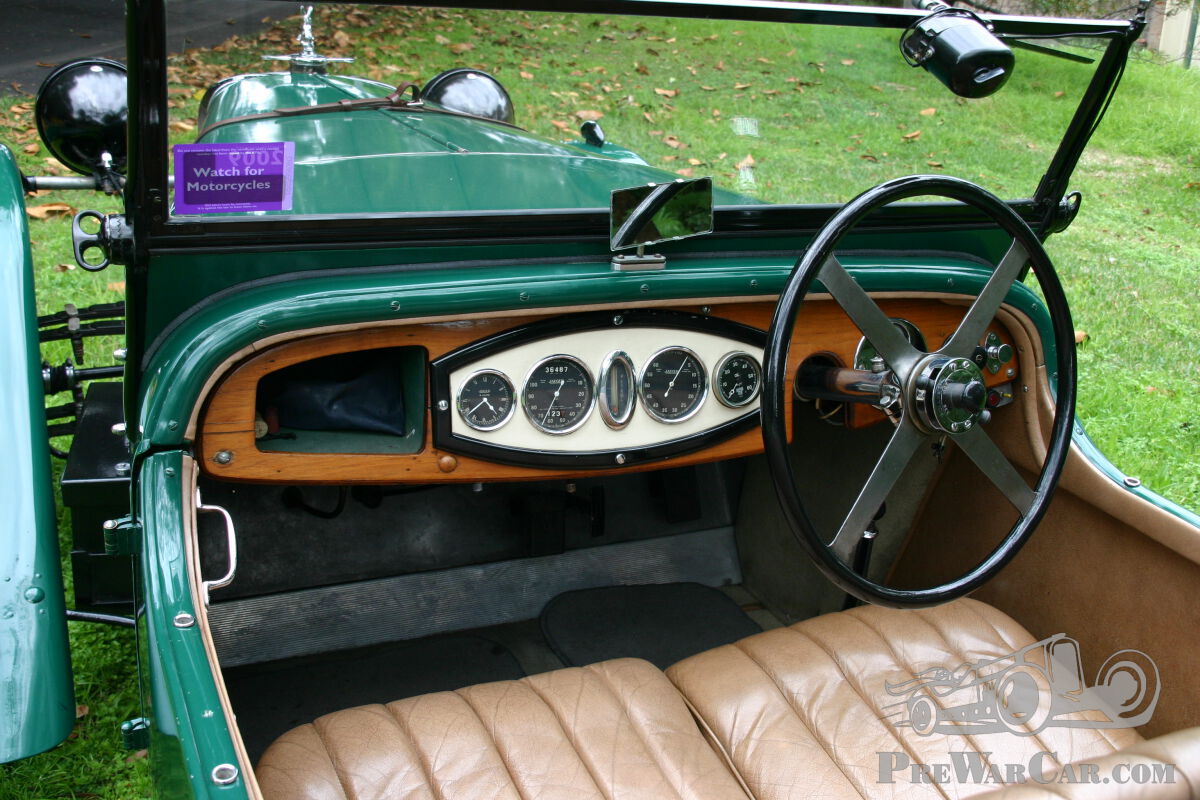
It was drizzling rain as we headed down the road, and sitting in this beautiful British racing car from a bygone era, with the legendry Rob Gunnell at the wheel was exhilarating, to say the least. We wound our way through some damp suburban roads until we came to a tee intersection where Rob made an emergency stop. He looked across from behind the large diameter vertical plane steering wheel and the glint in his eyes said it all – ‘how bloody good are those brakes’ – he didn’t have to utter a word.
It is truly remarkable the amount of time spent, the skill, the dedication and the end result of Rob Gunnell’s loving restoration in bringing this treasured piece of automotive history back from the dead, what this gentle man with virtually no formal trade qualifications has achieved.
But wait there’s more
There is a second FWD Alvis in the Gunnell stable. It is a 1929 FE coupe and the last of the 12 that came to Australia – this means Rob has both the first and last of these rare dozen British immigrants.
The coupe is chassis number 7329 and not much is known of its early history. It had however been involved in a significant front-end accident around mid last century.
Rob has rebuilt this car also (but that’s a story for another day) – Rob and wife Heather drove both cars to a rally of Alvis FWDs to celebrate the 80th anniversary of the model in Ballarat in October 2008.
Words and photos by Jim Gibson.
Specs:
1928 Alvis FA front-wheel-drive
Wheelbase: 2591 mm (102 in)
Track: 1372 mm (54 in)
Length: 3759 mm (148 in)
Width: 1753 mm (69 in)
Engine: Four cylinder inline
Bore & stroke: 68mm × 102mm
Displacement: 1482cc (90.43 cu in)
Maximum power: 75bhp (56kW) @ 5000 rpm
Compression ratio: 5.70:1
Fuel system: Solex carburation
Aspiration: Rootes supercharger
Transmission: 4-speed manual
Top gear ratio: 1 to 1 (direct)
Final drive ratio: 4.77: 1
1928 Alvis 12/50 Front Wheel Drive for sale
There is currently a magnificent 1928 Alvis 12/50 Front Wheel Drive (with a four-cylinder engine, overhead camshaft and supercharger) for sale in our online marketplace. Scarce and seldom offered for sale, this is your opportunity to acquire one of these ultra-rare thoroughbreds!
Click here to find out more.
Gepubliceerd:
woensdag november 18th, 2020
Facebook
LinkedIn
Twitter
WhatsApp
Email
Copy
Reacties
Mark Hayward
20 November 2020, 15:29
Graeme Simpson
18 November 2020, 02:56
A very nice article, thanks to the author. Many pleasant memories came to me as I read it. I'd known Rob back in the 1960s and 70s when we lived in Sydney; he was indeed a quiet but enthusiastic member of the Vintage Motor Club. I can speak for his restoration and driving skills: all his Alvii (?) were impeccably put together, and driven as they were meant to be.
Our paths crossed very briefly briefly back in Melbourne some time later, and later still in 2001 I saw what was claimed to be one of his FWDs in a Gisborne workshop.
In the late 1950s a brown-coloured FWD apparently worked at or near General Motors-Holdens at Fisherman's Bend in Melbourne, and I saw it occasionally on my way to the near-by Commonwealth Aircraft Factory. I've not seen it since.
Lees verder
Our paths crossed very briefly briefly back in Melbourne some time later, and later still in 2001 I saw what was claimed to be one of his FWDs in a Gisborne workshop.
In the late 1950s a brown-coloured FWD apparently worked at or near General Motors-Holdens at Fisherman's Bend in Melbourne, and I saw it occasionally on my way to the near-by Commonwealth Aircraft Factory. I've not seen it since.
In typical Alvis fashion the FWD is over engineered and too heavy to be really competitive but as a motor engineering milestone it certainly creates interest- particularly racing at Classic Le Mans when the French could not believe that Alvis had gone into production with a FWD 5 years before Citroen!