Het wereldwijde magazine en verkoopplatform voor liefhebbers van klassieke auto’s, door liefhebbers.
Het wereldwijde magazine en verkoopplatform voor liefhebbers van klassieke auto’s, door liefhebbers.


Filter
Maak een keuze
- Auto's
-
Merk >>
-
Bouwjaar >>
-
-
Categorie >>
- Motorfietsen
- Onderdelen
-
Automerk >>
-
Fabrikant >>
-
Categorie >>
- Fietsen
-
Bouwjaar >>
-
Landen


BSA's front-drive trailblazer
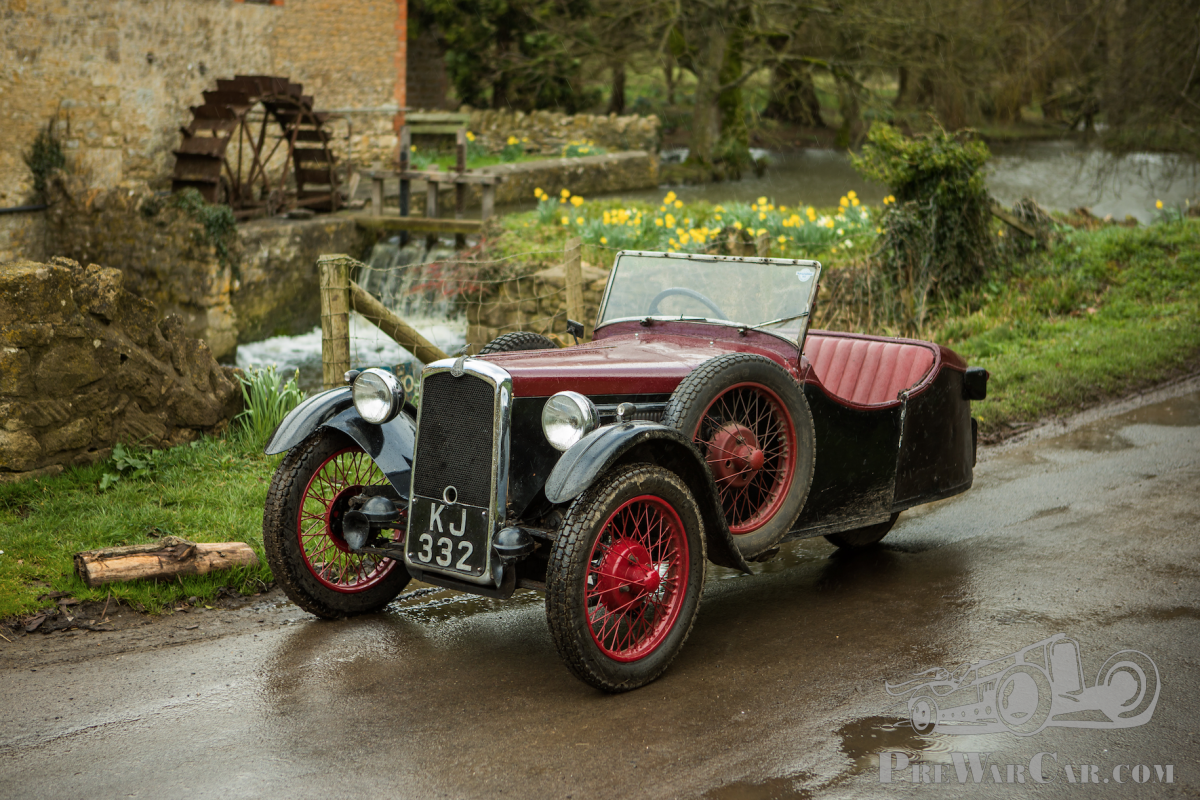
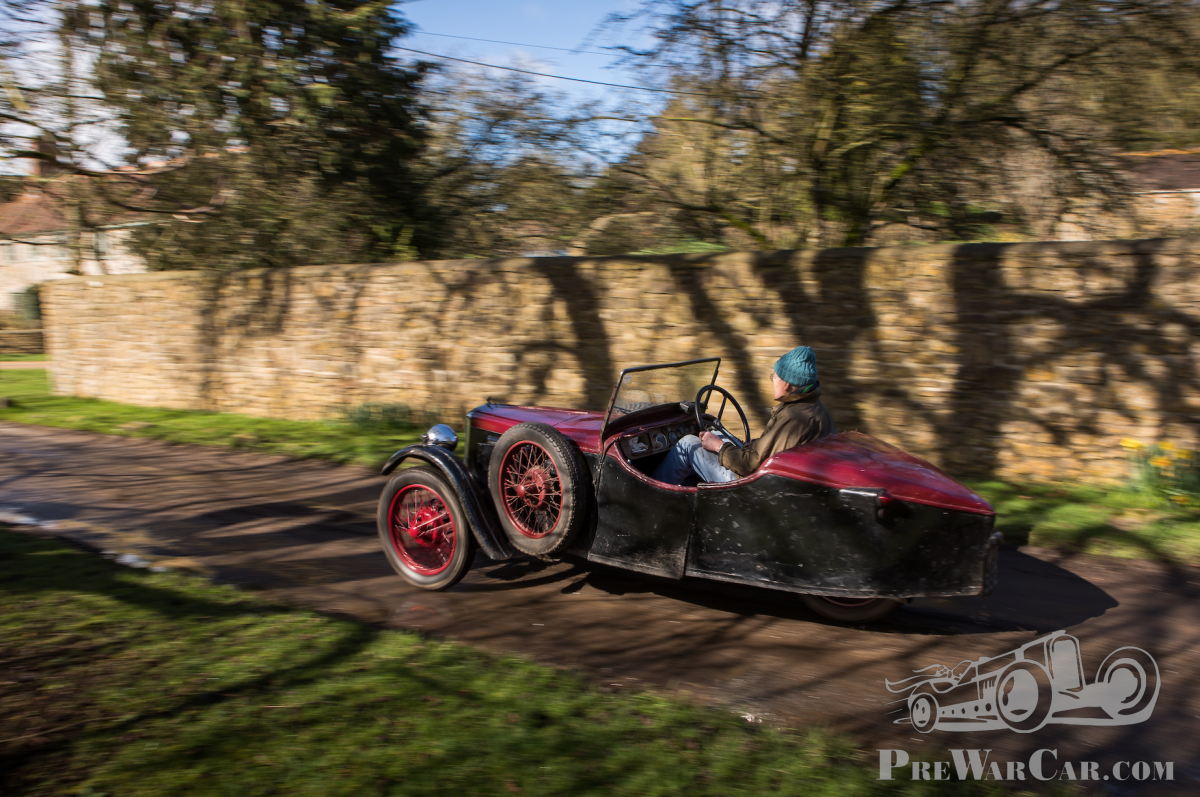


Now that the Mini has entered its 60th year, the motoring press is awash with praise for how it innovated front-wheel drive in mass-production. Perhaps the Mini was responsible for front-wheel drive becoming the norm, but it’s worth remembering the real innovator of mass-produced British front-wheel drive, the BSA three-wheeler, is now celebrating its 90th anniversary.
Even in 1929, of course, fwd was not a new idea and BSA’s Frederick Hulse had probably been thinking about it since former colleague George Iden built a fwd, vee-twin motor-cab in 1904. Hulse joined BSA in 1910, and two years later an amateur engineer submitted his designs for a fwd cyclecar, which just might have struck a chord with Hulse.
Of course, the Austin Seven would eventually render cyclecars obsolete, but one small gap in the market remained between motor car and motorcycle – the three-wheeler. Cheaper and more accessible than a car but safer and more convenient than a motorcycle, no large manufacturer besides Morgan was building them in Britain at that time.
Having gained experience of car manufacture with a 10hp light car in the early 1920s, powered by a 1080cc Hotchkiss vee-twin, and having a friendly relationship with Alvis designer W M Dunn, who co-designed the Red Triangle’s famous fwd racing car of 1925, BSA had all the ingredients for a pioneering take on mass motoring.
Graham Skillen tells the story of BSA’s forward-thinking in the June issue of The Automobile, on sale now.
Photographs by Stefan Marjoram.
Gepubliceerd:
dinsdag juni 25th, 2019
Facebook
LinkedIn
Twitter
WhatsApp
Email
Copy