Het wereldwijde magazine en verkoopplatform voor liefhebbers van klassieke auto’s, door liefhebbers.
Het wereldwijde magazine en verkoopplatform voor liefhebbers van klassieke auto’s, door liefhebbers.


Filter
Maak een keuze
- Auto's
-
Merk >>
-
Bouwjaar >>
-
-
Categorie >>
- Motorfietsen
- Onderdelen
-
Automerk >>
-
Fabrikant >>
-
Categorie >>
- Fietsen
-
Bouwjaar >>
-
Landen


De Dion Bouton restoration project with a question about the 'Cannage'
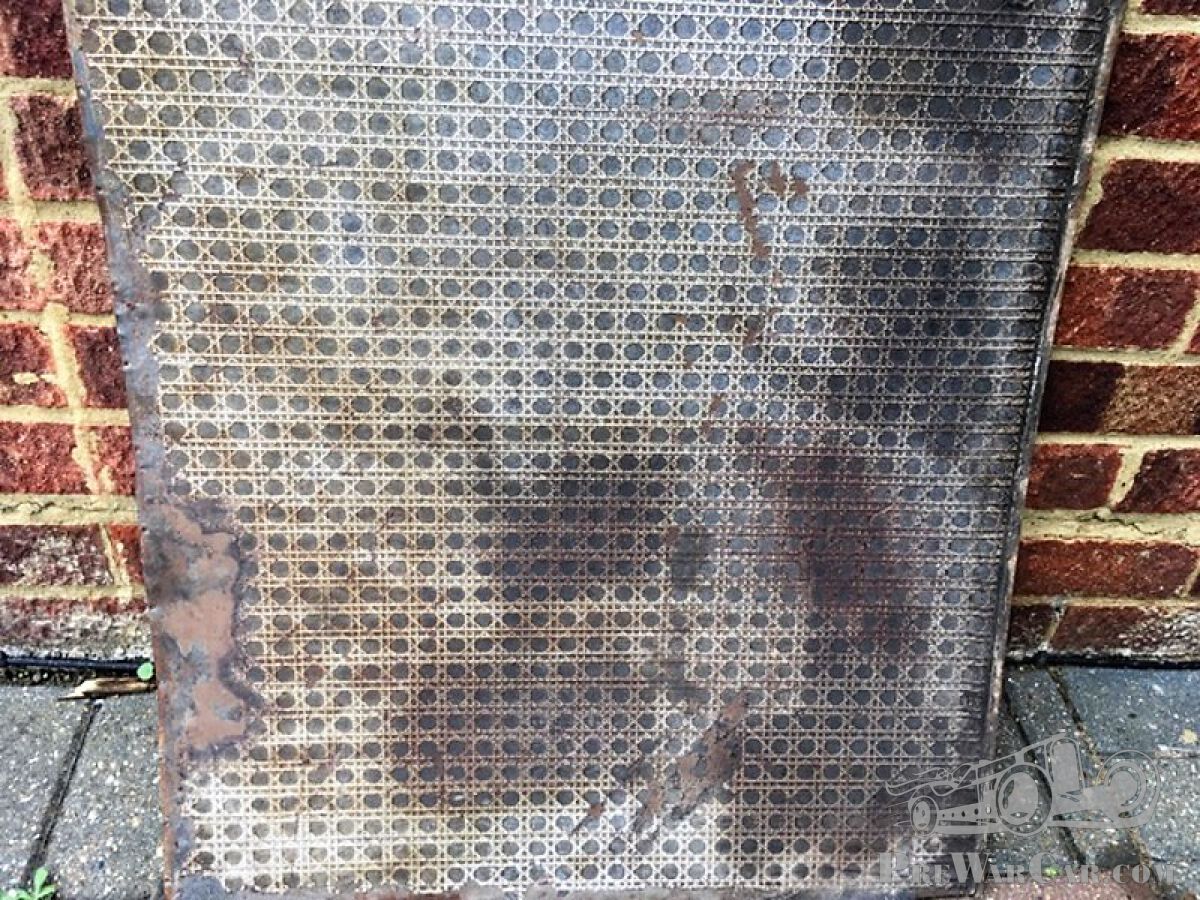
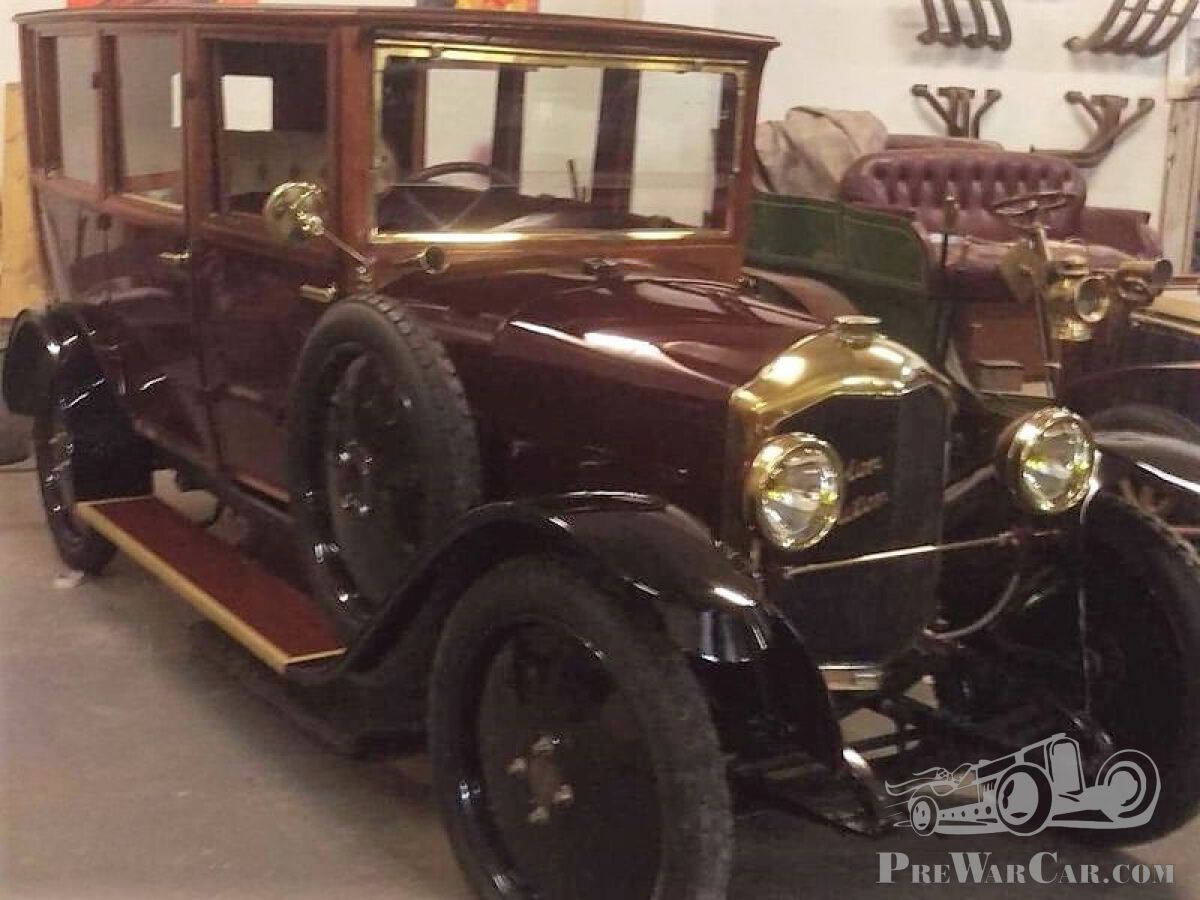
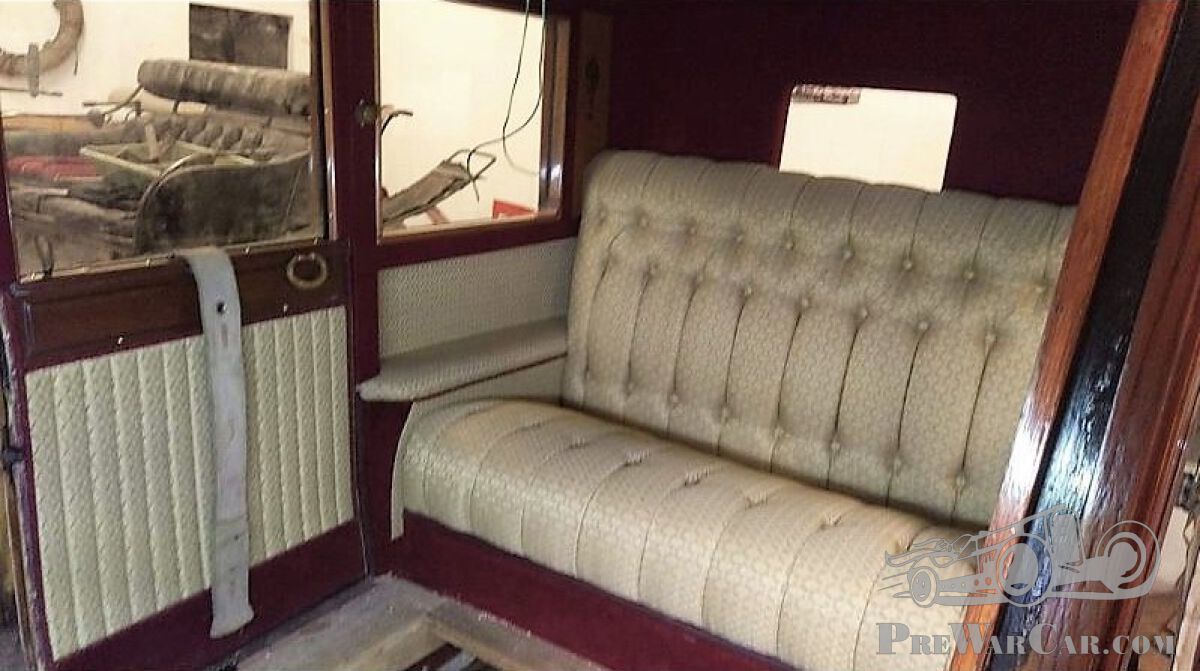
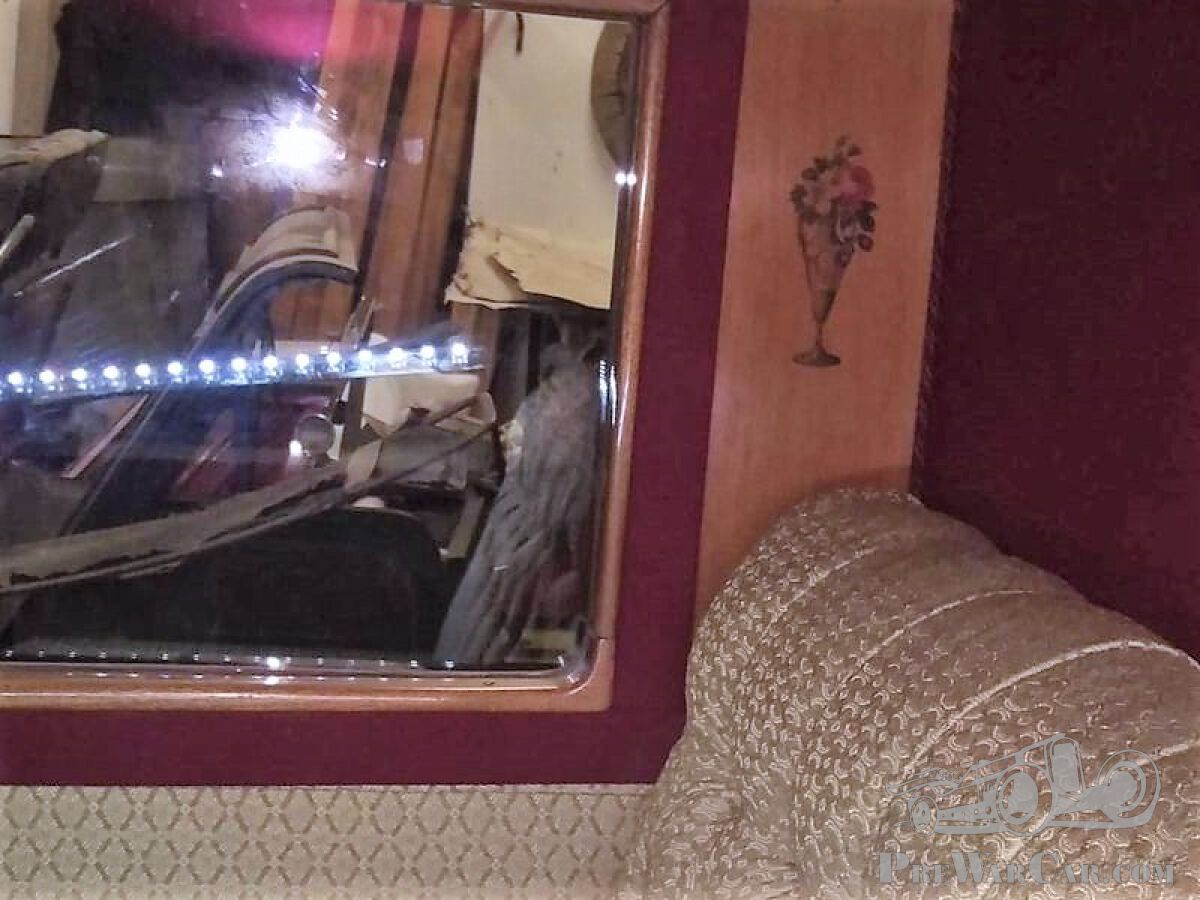
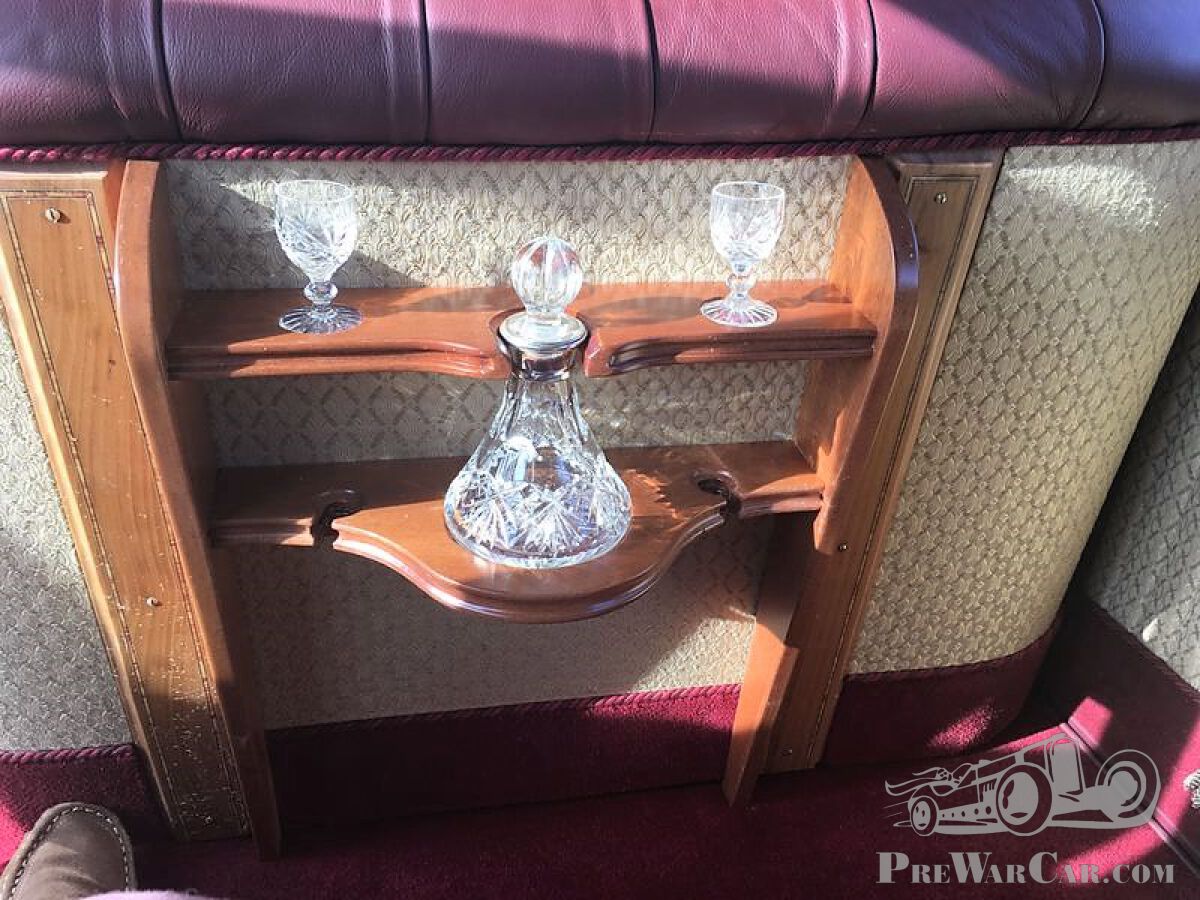


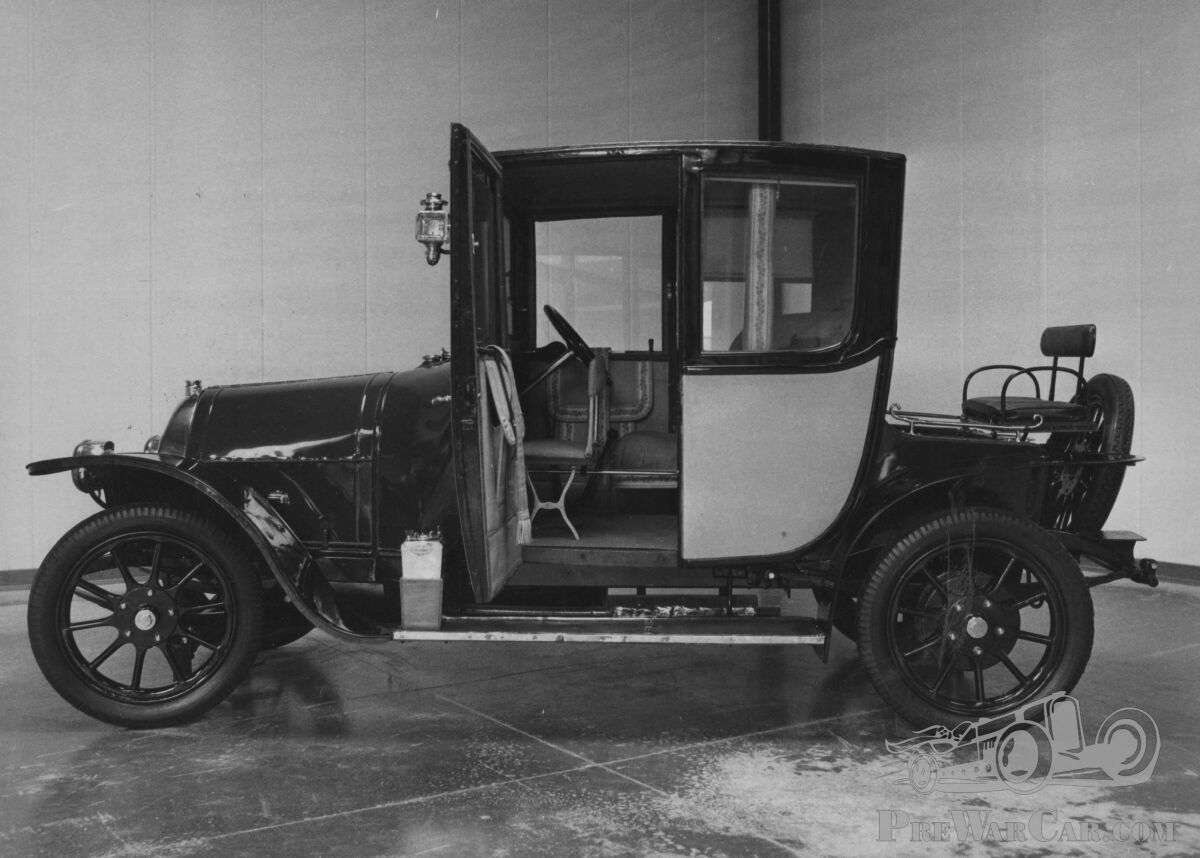
Paul Weeks sent us a message in which he told us about his 1919 De Dion Bouton Paris Town Car. He has just finished restoring the car and is returning it on the road. But he has problems restoring the Cannage and we are wondering if there is anyone who can help him out.
Paul told us the following:
“Our story started 20 years ago when Ron Mellowship a well-known restorer of vintage and veteran cars, and good friend of mine took a fancy to the De-Dion and imported it into the U.K. The car came with an interesting history, having been a Paris Town car through the roaring 20’s carrying rich and flamboyant clients in their search for fun in gay Paris. All throughout the restoration, we were imagining the different people and events that the car had been a part of! Oh if only it could tell us.
The chassis and mechanics had been restored in France, and Ron took delivery of it needing a lot of body restoration and interior work. We realised that the car had been a special car in its day as all the exterior panels had a decoration on them known as 'Cannage' which is a decorative process carried over from horse and carriage days (can still be seen on some of the royal carriages today).
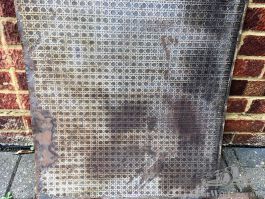
It was done by hand and created a raised design on the panels made up from hundreds of lines all having to be symmetrical and perfect in size and location. A thick paint called 'Jesso' was used and applied to the panel with a piping bag after careful marking out of the panel. The reason for having it done was an indication of wealth and social standing as the process was very labour intensive and expensive.
The car needed a lot of interior restoration as mentioned earlier, but from the remnants of the original materials and fittings, we could see that it was a luxurious car in the day. The De Dion stood for many years in Ron’s workshop while he was researching ways of applying the Cannage and sourcing materials to replicate the ambiance of the interior.
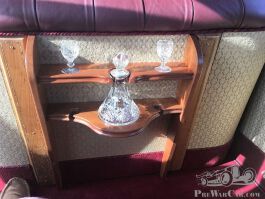
Well fast forward to 2017, I have persuaded Ron to sell me the car and we both get stuck into the restoration. We spent just over a year working 1 or 2 days a week with Ron putting lots of hours into the interior restoration, with me doing the donkey work. We used as many original parts as possible, which included the bone handles original wood capping. When we had to use new materials, we used materials close to the original.
We have completed the work without the Cannage as we still can’t find anybody that is capable of doing the job unless any of the readers can tell us differently.”
First of all thank you very much, Paul, for sharing this wonderful story with us. We think his question is quite clear. Paul still has the original panels with the Cannage on. The base colour of the panel was Royal claret and the Cannage was a trawler colour. Now he is interested to know if anyone has got the skills to restore the panels or knows someone who can. Maybe there is anybody who has or had the same problem.
They have completed the restoration of the 1919 De Dion Bouton. The Cannage can always be added to the car at a later date but would definitely finish the car. Please get in touch with us by commenting below or send an e-mail to [email protected] if you can help Paul with the restoration of the Cannage.
Words by the editor. Story and photographs sent in by Paul Weeks.
Gepubliceerd:
dinsdag september 11th, 2018
Facebook
LinkedIn
Twitter
WhatsApp
Email
Copy
Reacties
Jeroen Booij
17 September 2018, 12:04
Although Roger Taka-Hira passed away, I think his skills have been taken over by somebody else at the moment. Put his name in a Google search and you'll find it.
Lees verder
E D Hosford
17 September 2018, 11:50
You could try contacting the ROYAL MEWS London as they maintain all the English Royal Carriages
Lees verder
Rob MacWhirter
16 September 2018, 11:54
I know of a person in Portugal who canes furniture , the sides of Berger suites etc . Any help ?
Lees verder
Mahy Ivan
16 September 2018, 09:55
Hey,
In 1962 I restored a 1906 type 68 Peugeot mono, which I used in a rally in Italy.
After the repaint of the car, an old specialist in striping finished the car. In his very small shop he then just fished, I think, a 4-wheeler, with cannage. He explained to me how he did, all by hand. It was a marvellous job he had finished, he said, for the last time. Too work-intensive and he was too old.
Several years later, my father restored a 1914 Alva. A small coupé, that originally was fitted with cannage. We always hoped to find somebody who could help us. The car is now on show at Autoworld, without the cannage finished. We still have a Panhard 1908 that needs the same treatment.
About the marvellous restored upholstery, I have my doubts. We still have several non-restored limousines of that period in our collection, where an original pattern could be copied.
Have fun with the car, even without a correct carnage-copy.
Lees verder
In 1962 I restored a 1906 type 68 Peugeot mono, which I used in a rally in Italy.
After the repaint of the car, an old specialist in striping finished the car. In his very small shop he then just fished, I think, a 4-wheeler, with cannage. He explained to me how he did, all by hand. It was a marvellous job he had finished, he said, for the last time. Too work-intensive and he was too old.
Several years later, my father restored a 1914 Alva. A small coupé, that originally was fitted with cannage. We always hoped to find somebody who could help us. The car is now on show at Autoworld, without the cannage finished. We still have a Panhard 1908 that needs the same treatment.
About the marvellous restored upholstery, I have my doubts. We still have several non-restored limousines of that period in our collection, where an original pattern could be copied.
Have fun with the car, even without a correct carnage-copy.
Ron Mellowship
12 September 2018, 09:13
Hi Guys,
over the years we have considered all the above comments but there is only one way and that is the right way , we have a letter in the file of a chap who spoke to Labourdette , obviously a fair while ago before people comment back , who explained how they applied the "cannage " work - a great skill as it is applied line by line by hand , a skill that is now probably dead along with many others .
We are not putting something on the car that is not correct for in future generations the next owners will think that is the method used , the original doors panels will accompany the car in its further travels . As the saying goes " we are just custodians of these old vehicles for the next generations of owners to enjoy and marvel at the time when things were done well and with long lost skills "
I have a picture in a De Dion Bouton book showing similar model cars to this IE that has rows of blacksmiths, his apprentice and their forges lined up in front of a line of cars obviously hand forging ALL the body brackets, headlight supports , wing supports and every other piece of metal that required shaping , all by hand and individual to that particular car and this was around the end of the 19 teens .
Ron Mellowship
Lees verder
over the years we have considered all the above comments but there is only one way and that is the right way , we have a letter in the file of a chap who spoke to Labourdette , obviously a fair while ago before people comment back , who explained how they applied the "cannage " work - a great skill as it is applied line by line by hand , a skill that is now probably dead along with many others .
We are not putting something on the car that is not correct for in future generations the next owners will think that is the method used , the original doors panels will accompany the car in its further travels . As the saying goes " we are just custodians of these old vehicles for the next generations of owners to enjoy and marvel at the time when things were done well and with long lost skills "
I have a picture in a De Dion Bouton book showing similar model cars to this IE that has rows of blacksmiths, his apprentice and their forges lined up in front of a line of cars obviously hand forging ALL the body brackets, headlight supports , wing supports and every other piece of metal that required shaping , all by hand and individual to that particular car and this was around the end of the 19 teens .
Ron Mellowship
PATRICK JEAN-PHILIPPE
11 September 2018, 20:08
Hi Gents,
I believe that Patrick Delage who manages a prestigious restoration workshop in Touraine mais be able to help.
He should be contactable through Les Amis de Delage or Auto Classique Touraine: http://www.autoclassiquetouraine.fr
Best Regards, Patrick JP
Lees verder
I believe that Patrick Delage who manages a prestigious restoration workshop in Touraine mais be able to help.
He should be contactable through Les Amis de Delage or Auto Classique Touraine: http://www.autoclassiquetouraine.fr
Best Regards, Patrick JP
Malcolm Bailey
11 September 2018, 19:39
This cannage looks remarkably similar to that used on the Wood & Pickett Minis in the 1960s. These may have been painted on but I suspect they were transfers - which suggests somebody had to make them up. A good graphic designer on a computer should be able to reproduce them - possibly even from a photograph of cane-weave cannage. While they would lack the original texture of painted lines, they would look almost as good.
Lees verder
PATRICK JEAN-PHILIPPE
11 September 2018, 19:13
Hi Gents,
I believe that Patrick Delage who manages a prestigious restoration workshop in Touraine mais be able to help.
He should be contactable through Les Amis de Delage or Auto Classique Touraine: http://www.autoclassiquetouraine.fr
Best Regards, Patrick JP
Lees verder
I believe that Patrick Delage who manages a prestigious restoration workshop in Touraine mais be able to help.
He should be contactable through Les Amis de Delage or Auto Classique Touraine: http://www.autoclassiquetouraine.fr
Best Regards, Patrick JP
Fred V
11 September 2018, 15:25
Would it be possible to "silk screen" the design onto the panel? Or possibly take cane weave and ink it up and press it onto the panel as you would in printing.
Fred V
Lees verder
Fred V
Vintage
11 September 2018, 09:08
you have researched the paint type, how it is applied ... em .. just do it yourself, it might take you a few attempts but that is what the hobby is all about. Hell, you could practice for a month and still be finished for christmas.
If memory serves I believe there is an up and down side so remember to paint the Panel the right way up. No one will know though
Regards
Lees verder
If memory serves I believe there is an up and down side so remember to paint the Panel the right way up. No one will know though
Regards
Paolo Giusti
11 September 2018, 08:17
The cannage for the bentwood chairs is available by the metre today, even online. The pattern is the same.
The cannage is made by reed and the average life expectancy of this material is 30 years on a chair.
The cannage, I think, is fixed on the door through a frame and some screws.
Some years ago I saw a Rolls Royce at the Villa d'Este elegance concours with the cannage on the doors and it was painted with a transparent gloss.
Lees verder
The cannage is made by reed and the average life expectancy of this material is 30 years on a chair.
The cannage, I think, is fixed on the door through a frame and some screws.
Some years ago I saw a Rolls Royce at the Villa d'Este elegance concours with the cannage on the doors and it was painted with a transparent gloss.
Kay
11 September 2018, 08:09
When its about restoring paint and other historic car surfaces, ask Gundula Tutt in Germany: https://omnia-online.jimdo.com/%C3%BCber-omnia/
Lees verder
ALAN SUTTON
11 September 2018, 07:01
Good afternoon Paul yes agree a very interesting back story and lovely work thus far ,
I am going to suggest an alternative which I have seen used on recent restorations to replicate cannage , it has the texture and fairly faithful pattern .
you can purchase a fine cane weave used on chair inserts which has been glued and clear coated over a colour base i hasten to add it is not cannage as such but can look very representative of the same .
my ten cents best of luck with completion of a great car
Lees verder
I am going to suggest an alternative which I have seen used on recent restorations to replicate cannage , it has the texture and fairly faithful pattern .
you can purchase a fine cane weave used on chair inserts which has been glued and clear coated over a colour base i hasten to add it is not cannage as such but can look very representative of the same .
my ten cents best of luck with completion of a great car