Het wereldwijde magazine en verkoopplatform voor liefhebbers van klassieke auto’s, door liefhebbers.
Het wereldwijde magazine en verkoopplatform voor liefhebbers van klassieke auto’s, door liefhebbers.


Filter
Maak een keuze
- Auto's
-
Merk >>
-
Bouwjaar >>
-
-
Categorie >>
- Motorfietsen
- Onderdelen
-
Automerk >>
-
Fabrikant >>
-
Categorie >>
- Fietsen
-
Bouwjaar >>
-
Landen


Talbot's Saviour

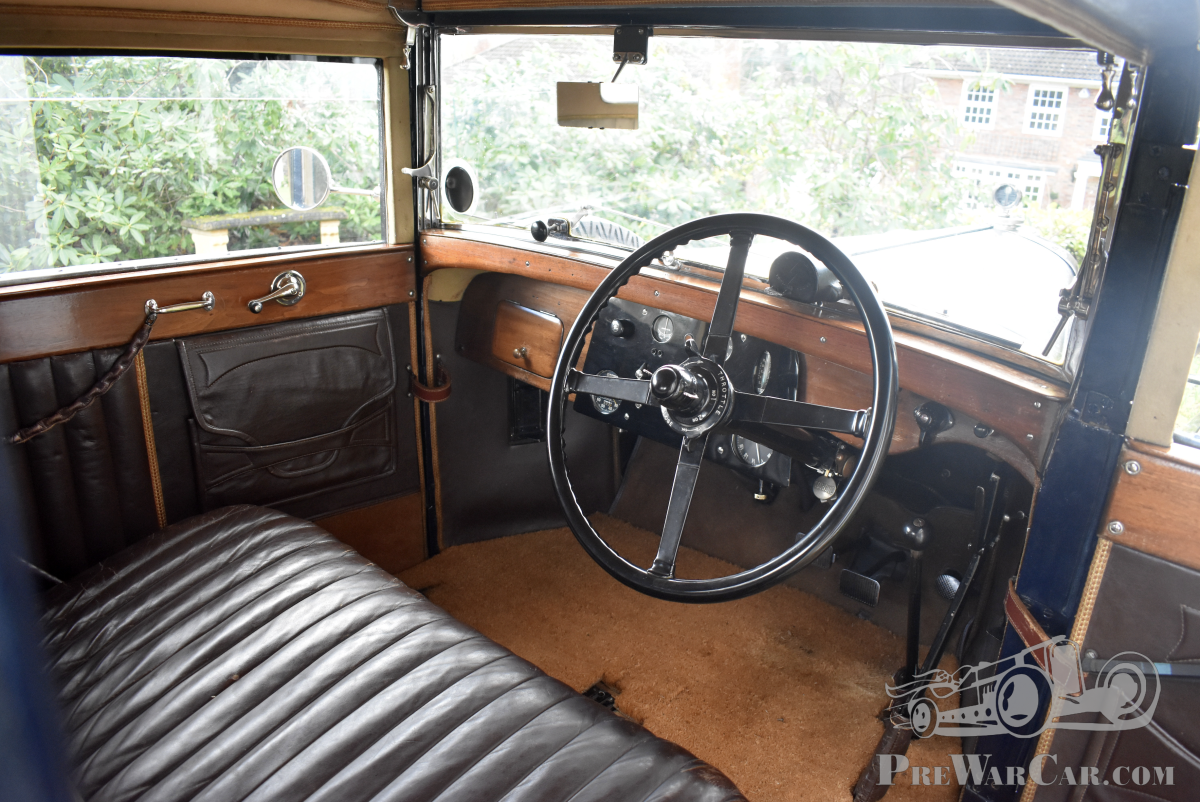


For a few manufacturers, the 1920s marked a coming-of-age period, but countless more would face their demise. As Austin opened the floodgates of motoring to thousands more people with the thriftily-priced Seven and Morris discovered the miracle of Pressed Steel, those that fell behind or misread the mood of the market were soon consigned to the history books.
So, might Talbot’s fate have been if it had stuck to making acceptable but unimpressive light cars that failed to distinguish themselves from their competitors. With STD Motors’s finances ravaged by Louis Coatalen’s Sunbeam racing programme, Talbot came within a hair’s breadth of failure until being revived by Georges Roesch and the engineering brilliance he applied to the 14/45.
The late 1920s was not a good time to be adopting a policy, as Talbot was, to persevere with traditionalism in coachbuilding, now that individuality and craftsmanship were falling victim to progress and remained appreciated only by an ever-decreasing number of wealthy, discerning buyers. For the Talbot to survive, it had to be exceptionally good, and it was. Roesch’s ohv, 1665cc six was a strong engine, resting on a sturdy chassis; well-appointed bodywork completed the picture, and all for a very reasonable price.
Zack Stiling inspects a handsome 14/45Weymann Sunshine Coupé in the May issue of The Automobile, on sale now.
Words and photographs by Zack Stiling.
Gepubliceerd:
dinsdag april 28th, 2020
Facebook
LinkedIn
Twitter
WhatsApp
Email
Copy
Reacties
Nicolas Van Frausum
28 April 2020, 12:45
Great article in The Automobile on this car and what a beautiful Faux-cabriolet 'Sunchine Coupé' body this 14/45 chassis wears. I always ask myself why is 1929 such a standout year? As if the roaring 20s showed its highlights just before the infamous Wall Street Crash in sept/oct 1929.
Lees verder
Mike Costigan
28 April 2020, 09:35
Perhaps the most under-appreciated and under-valued Vintage car there is; the 14/45 is a gem, Capable of nearly 70mph and with the capacity to run at near maximum revs all day and 16" brakes to match the performance, it's not a sports car but is hard to beat as a comfortable all-round tourer.
Lees verder