Het wereldwijde magazine en verkoopplatform voor liefhebbers van klassieke auto’s, door liefhebbers.
Het wereldwijde magazine en verkoopplatform voor liefhebbers van klassieke auto’s, door liefhebbers.


Filter
Maak een keuze
- Auto's
-
Merk >>
-
Bouwjaar >>
-
-
Categorie >>
- Motorfietsen
- Onderdelen
-
Automerk >>
-
Fabrikant >>
-
Categorie >>
- Fietsen
-
Bouwjaar >>
-
Landen


The Rumpler-Metropolis car: Burning drops
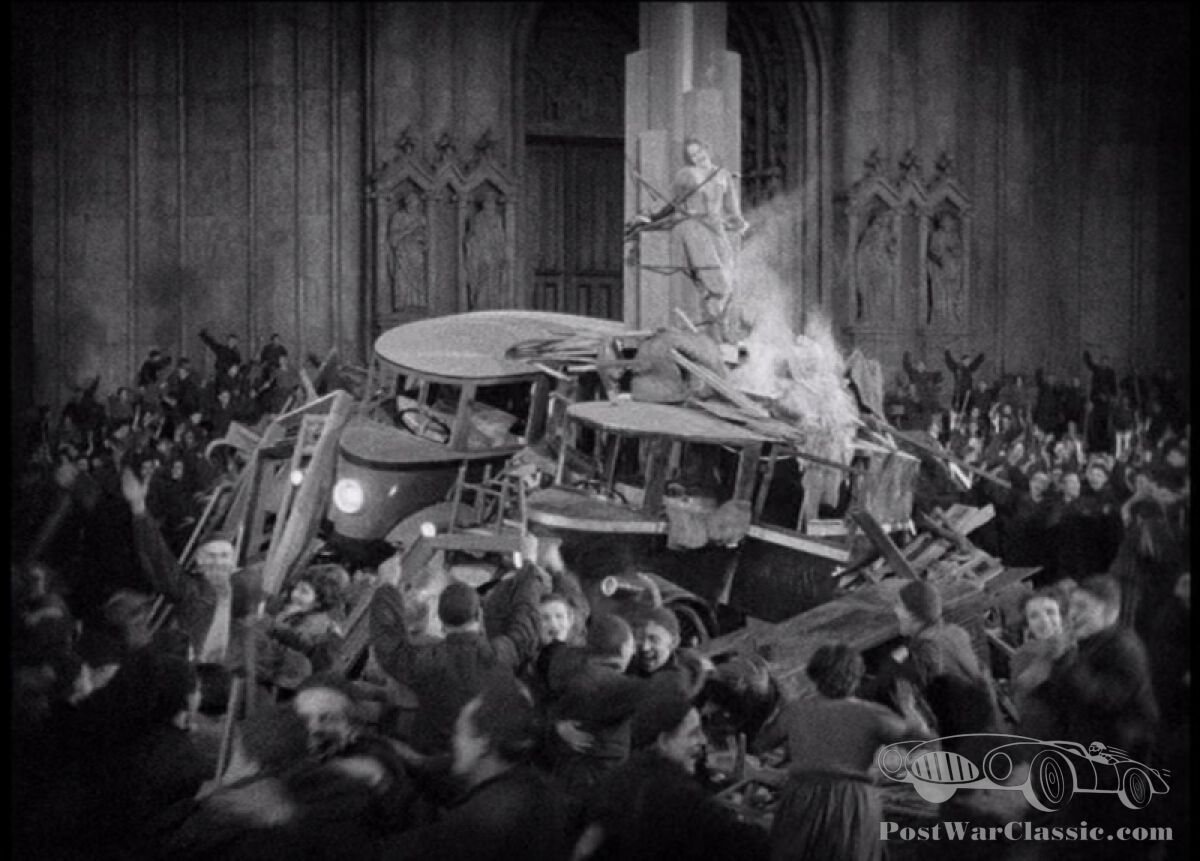

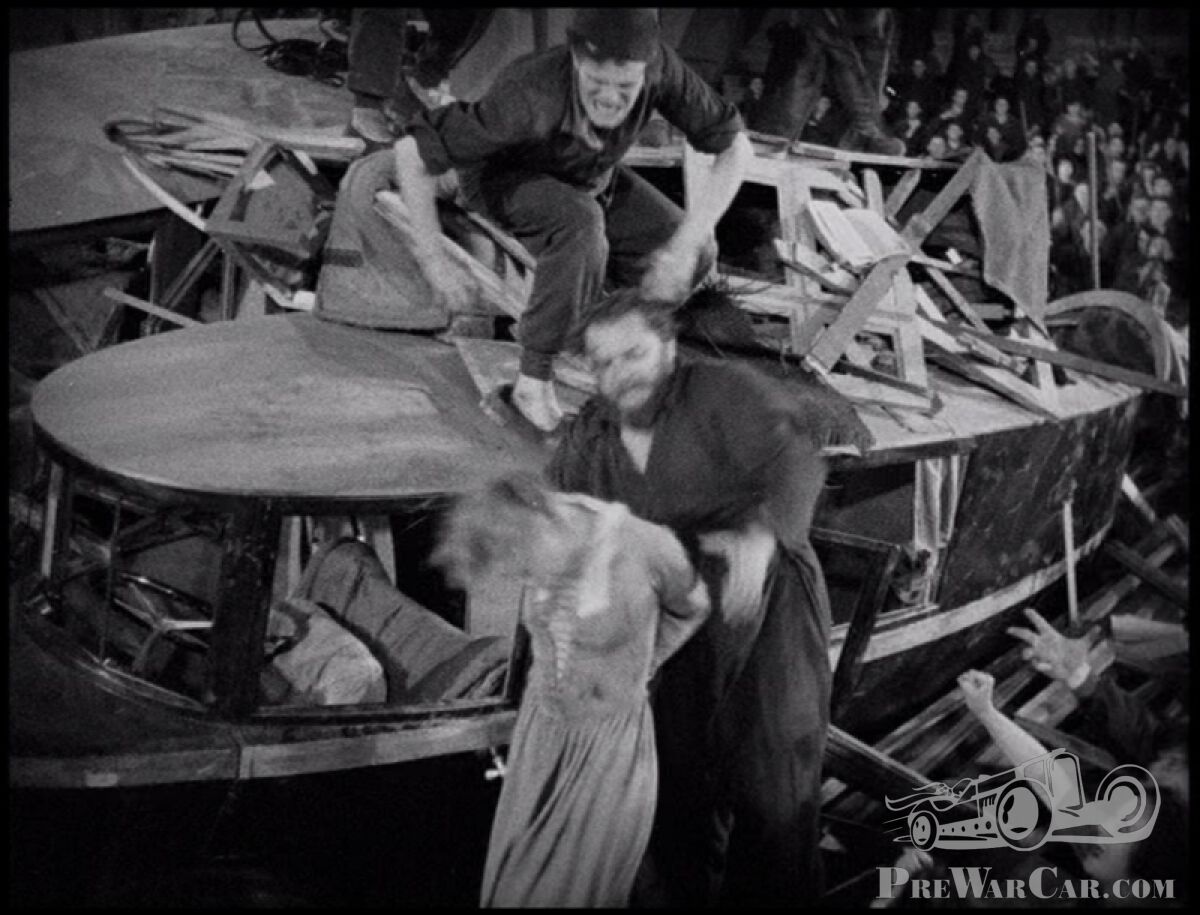


Even if I´m a big fan of old movies, some classics still are missing in my collection. One of those movies was Fritz Langs "METROPOLIS", one of the most fantastic movies of the 1920s, but last week I finally bought....
Gepubliceerd:
woensdag juni 14th, 2017
Facebook
LinkedIn
Twitter
WhatsApp
Email
Copy
Reacties
Onbekend
20 Juni 2017, 02:06
As I recall, there is a Rumpler in Florida in a collection unless that is the one now in Berlin. I've seen the Deutsches Museum car in Munich in the 1970s and then again 5 years ago.
Lees verder
Onbekend
15 Juni 2017, 11:45
Michael Schlenger:
What a fantastic film !
Thank you so much.
Lees verder
What a fantastic film !
Thank you so much.
Onbekend
15 Juni 2017, 09:30
most of the Rumpler cars had been used as Taxi`s in Berlin. These had been the one`s used in the film. Two examples survived, one in the technical museum in Berlin, the other original exported to the US, returned to Germany some years ago
Lees verder
Onbekend
15 Juni 2017, 08:41
Excellent article, Hubertus!
I particularly liked the fact that you mentioned the "Etrich-Taube" aeroplane which Rumpler hadn't developed himself but built under licence from Igo Etrich (like many other manufacturers did).
As for the Rumpler "Tropfenwagen", there is also a short film showing one of these eccentric vehicles driving in dense traffic (not sure where): https://www.youtube.com/watch?v=T7kAnL6Mixs
In my opinion, the lack of commercial succcess was due to the fact that the car had been developed from an engineer's perspective completely ignoring the needs of potential buyers on the German market.
What was required in the first place in the mid-1920s was an inexpensive and reliable car. German manufacturers at that time often continued to build outdated prewar models or developed upmarket cars which could't be sold in sufficient numbers to make serious money.
Rumpler belonged to a third group of German car makers who excelled with brilliant technical ideas but did not care about the customer and failed to meet the requirements of efficient production (another example would be Hans-Gustav Röhr).
The result were often outstanding but ill-fated products. For example, no one needed a car with a low drag coefficient at that time, since average speed was too low.
The enormous success of cheap mass-produced cars from the U.S. in Germany during the late 1920s and the fact that once well-established manufacturers like Opel and Dixi (later: BMW) turned to copying small cars of foreign car makers reflects the inability (or unwillingness) of German engineers to find simple, market-oriented solutions...
Lees verder
I particularly liked the fact that you mentioned the "Etrich-Taube" aeroplane which Rumpler hadn't developed himself but built under licence from Igo Etrich (like many other manufacturers did).
As for the Rumpler "Tropfenwagen", there is also a short film showing one of these eccentric vehicles driving in dense traffic (not sure where): https://www.youtube.com/watch?v=T7kAnL6Mixs
In my opinion, the lack of commercial succcess was due to the fact that the car had been developed from an engineer's perspective completely ignoring the needs of potential buyers on the German market.
What was required in the first place in the mid-1920s was an inexpensive and reliable car. German manufacturers at that time often continued to build outdated prewar models or developed upmarket cars which could't be sold in sufficient numbers to make serious money.
Rumpler belonged to a third group of German car makers who excelled with brilliant technical ideas but did not care about the customer and failed to meet the requirements of efficient production (another example would be Hans-Gustav Röhr).
The result were often outstanding but ill-fated products. For example, no one needed a car with a low drag coefficient at that time, since average speed was too low.
The enormous success of cheap mass-produced cars from the U.S. in Germany during the late 1920s and the fact that once well-established manufacturers like Opel and Dixi (later: BMW) turned to copying small cars of foreign car makers reflects the inability (or unwillingness) of German engineers to find simple, market-oriented solutions...
Onbekend
15 Juni 2017, 06:55
I don't disagree with what you say, but think that the most important reason for the non acceptance of the design was that it was just too different too soon. Think also of the Burney Streamline, that was unacceptable for the same reason. At that period it seemed a car could look odd, or have an odd mechanical layout, but not both together.
It took the VW to break through, and then the Mini.
Lees verder
It took the VW to break through, and then the Mini.